
- Trump’s executive order integrates crypto into 401(k) plans.
- Bitcoin rises 2% post-announcement.
- Potential for increased institutional involvement.
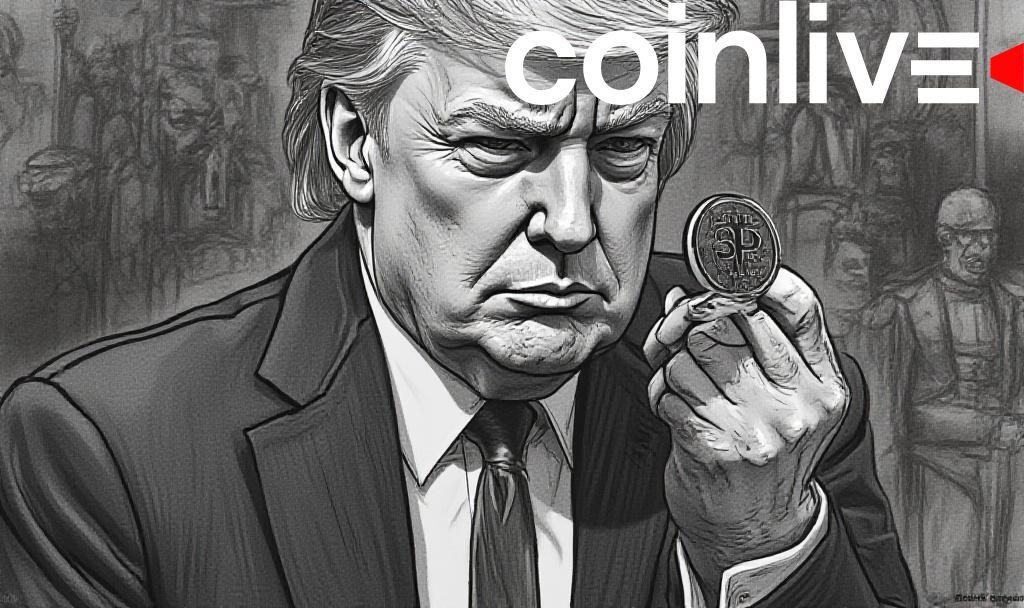
President Donald Trump has signed an Executive Order permitting Bitcoin and other cryptocurrencies in 401(k) plans, marking a significant policy shift in United States retirement investment strategies.

This change could alter market structures, driving optimism among investors as institutions may increase cryptocurrency allocations, potentially lifting market sentiment and diversifying traditional retirement portfolios.
The order, attributed to President Trump, involves the Secretary of Labor investigating current guidance on fiduciary duties for alternative assets in 401(k) plans. No statements from core crypto figures have surfaced yet, leaving further reactions anticipated.
“The order directs the Secretary of Labor to reexamine the Department of Labor’s guidance on a fiduciary’s duties regarding alternative asset investments in ERISA-governed 401(k) and other defined-contribution plans.” – Donald Trump, President of the United States
Favorable effects include a 2% rise in Bitcoin prices, now exceeding $117,000. Ethereum also experienced a notable upswing of 5%, reflecting market optimism post-announcement. This policy shift might alter retail and institutional engagement dynamics.
The decision could enhance institutional participation, potentially paving the way for more extensive crypto adoption within retirement plans. However, the short-term market conviction remains “weak” due to existing low-liquidity conditions and ETF outflows.
Historical precedents, such as Canada’s approval of spot Bitcoin ETFs, resulted in increased North American market engagement. This U.S. policy shift may have broader implications, potentially fostering robust institutional crypto investments.
Analyzing potential financial and regulatory shifts requires careful observation of market indicators and on-chain data. Experts predict a possible reallocation of retirement funds, which may impact the volatility and liquidity of major digital assets.