
- Pennsylvania targets public officials’ crypto holdings with new bill.
- Potential $50,000 fines for violations.
- Bill aligns with national conflict of interest concerns.
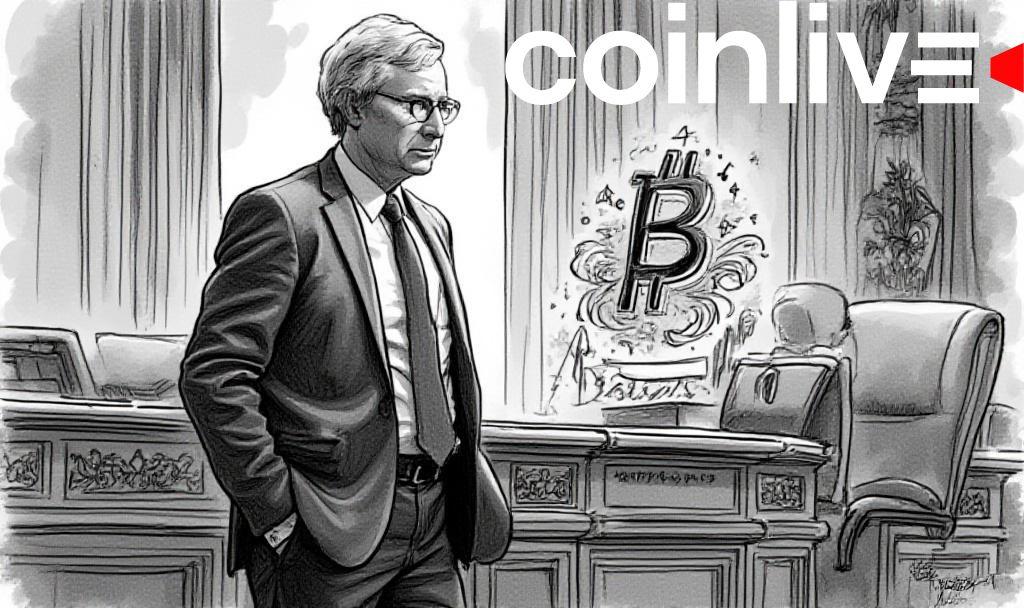
Pennsylvania Democrat Ben Waxman introduced HB1812 to ban public officials and their families from profiting through cryptocurrencies while in office.

HB1812 addresses potential conflicts of interest, aligns with federal efforts, and demands immediate divestment, although market reactions remain minimal.


Pennsylvania Democrat Ben Waxman introduced HB1812, aiming to ban public officials and their families from profiting from cryptocurrencies. This move aligns with growing concern over conflicts of interest in political offices and parallels federal controversies. As Ben Waxman, State Representative, Pennsylvania, stated, “In Pennsylvania, no public official should be allowed to use their office to enrich themselves through cryptocurrency schemes. That’s why I’m introducing legislation to prohibit elected officials from profiting off cryptocurrency while in office. This includes launching, promoting, or trading in coins where they hold a personal financial interest.” source
Ben Waxman sponsors HB1812, requiring immediate divestment from digital assets for public officials. Violations could lead to significant penalties, including fines and imprisonment. The proposal has eight Democratic co-sponsors, highlighting its substantial political backing.
Immediate impacts include heightened scrutiny of public officials’ financial holdings in cryptocurrencies, NFTs, and other digital assets. The bill mandates divestment within 90 days, applying pressure on markets if officials currently hold substantial assets.
Financial implications could include market effects from divestment and potential deterrence for public service candidates with crypto interests. Politically, the bill strengthens calls for transparency and divestment in public offices, echoing national debates.
Full implementation of HB1812 remains to be seen. The crypto community’s response is still emerging, with anticipated debates over regulatory reach and personal investment rights. No widespread reactions from crypto companies have been reported.
Historical trends indicate similar proposals at the federal level, emphasizing deterrence and transparency. No significant shifts in crypto market caps have been observed following such legislative actions, suggesting modest direct financial impacts on broader markets.