- US acquires non-voting stake in Intel, $11B involved.
- Signals significant government-tech sector engagement.
- Potential regulatory and financial implications observed.
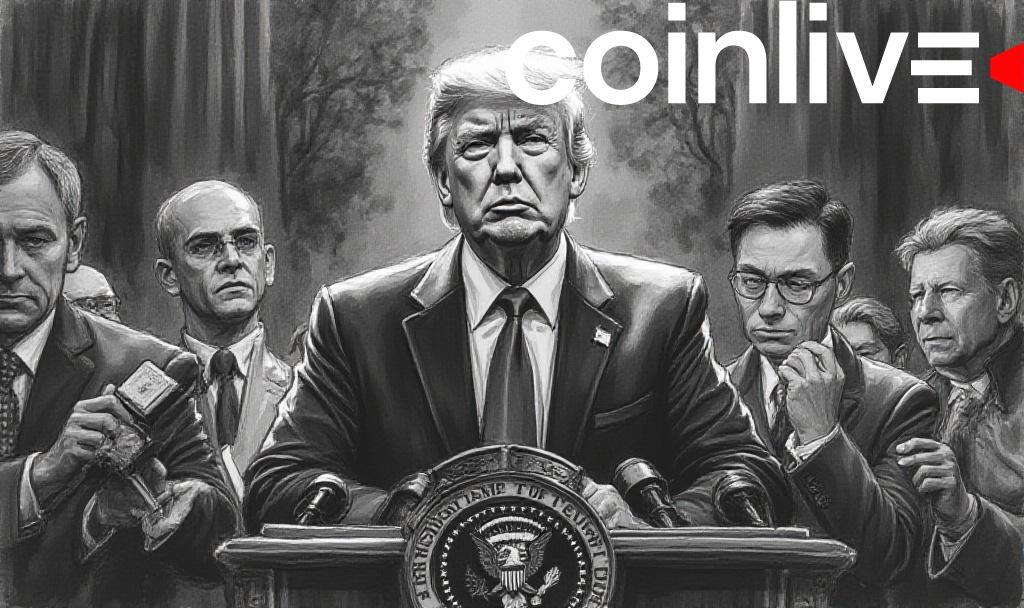
The U.S. government has acquired a 10% non-voting stake in Intel, involving over $11 billion in grants, confirmed by President Trump and Intel CEO Lip-Bu Tan.

This acquisition marks a strategic shift in U.S. policy towards direct equity in tech, potentially influencing future government interventions in the sector.
Main Content
Article Body
Section 1
The U.S. government has acquired a nearly 10% non-voting equity stake in Intel. This announcement follows a deal involving over $11 billion of previously issued grants and funding, confirmed by President Donald Trump and Intel CEO Lip-Bu Tan.


President Trump and Intel CEO Lip-Bu Tan confirmed the U.S. government’s stake acquisition. The deal involved government conversion of significant grants, signaling increased investment in semiconductor manufacturing to enhance the country’s technological and economic security.
“The United States of America now fully owns and controls 10% of INTEL, a Great American Company that has an even more incredible future.” — Donald Trump
Section 2
Experts observe no immediate effects on major crypto assets like ETH, BTC. However, this equity acquisition could indicate growing governmental involvement in the tech sector, potentially impacting future policies affecting cryptocurrencies and blockchain projects. Financial implications include a government on-paper gain of $1.9 billion. This arrangement, emphasizing secure technological advancement, could pave the way for increased U.S. semiconductor independence, but also enhance scrutiny over privacy coins and regulatory exposure of U.S.-centric blockchains.
Section 3
The acquisition illustrates a shift in governmental approach from grants to direct equity in tech firms, raising potential concerns about increased regulation and intervention in the tech sector. Historical trends, like government aid to automakers in 2009, offer some context, though no blue-chip firm precedent matches this stake. This action could influence future U.S. semiconductor policies and regulatory measures involving related tech industries.
Visit Intel’s Commitment to Employees and Corporate Responsibility to understand more about their recent initiatives.
Another point of interest is the historic agreement between Intel and the Trump administration.