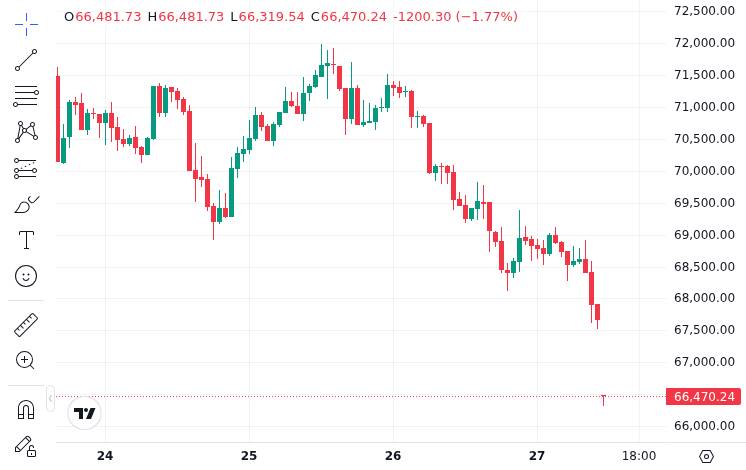
Bitcoin slid lower this week after Bhutan transferred another batch of BTC to exchanges, marking the third major sovereign sell-off this month and pushing the country’s total 2026 outflows past $150 million.
Bhutan Moves Over 500 BTC to Exchanges in Latest Transfer
Bhutan’s government wallet moved approximately 519.707 BTC in its most recent transaction, worth roughly $37 million at the time of the transfer. The move sent Bitcoin to exchange-linked addresses, signaling intent to liquidate rather than simply rebalance holdings.
This marks the third major BTC transfer from Bhutan this month. The pattern of repeated, sizable movements has put consistent downward pressure on Bitcoin’s spot price, with each transfer generating a fresh wave of sell-side anxiety across derivatives and spot markets.
Bhutan’s 2026 Bitcoin Outflows Now Exceed $150 Million
Cumulative sovereign BTC sales from Bhutan have now topped $152 million in 2026. The accelerating pace of disposals has raised questions about the government’s evolving approach to its Bitcoin reserves, which were originally accumulated through state-backed hydroelectric mining operations.
Multiple reporting outlets have confirmed the sustained outflow trend. CoinDesk reported that total exchange-bound transfers from Bhutan now exceed 2,000 BTC across all 2026 transactions, making it one of the more notable sovereign selling episodes since El Salvador began its Bitcoin accumulation strategy.
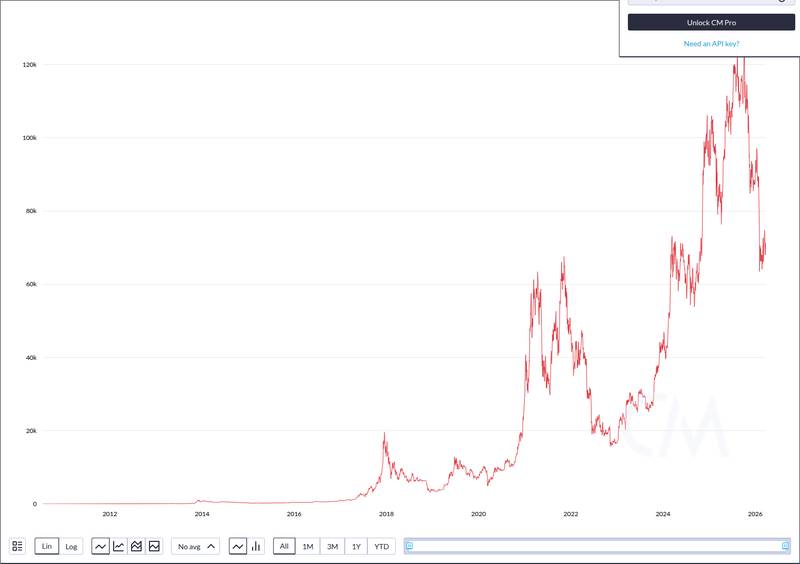
The selling comes at a sensitive time for Bitcoin. The broader market is already digesting the fallout from a $15 billion crypto options expiry that recently compressed volatility, and sovereign-level sell pressure adds a layer of uncertainty that spot buyers have been reluctant to absorb.
What the Bhutan Sell-Off Signals for Bitcoin
Sovereign Bitcoin movements carry outsized market weight relative to their dollar value. When a nation-state offloads BTC, it signals a policy shift rather than a typical portfolio rebalance. Bhutan’s repeated transfers suggest the government is deliberately reducing its Bitcoin exposure, not simply taking partial profits.
The questions around Bhutan’s reserve strategy arrive alongside broader debates about how governments should manage digital asset holdings. In the United States, proposals around Bitcoin collateral frameworks and regulatory scrutiny of high-profile crypto ventures continue to shape the policy backdrop.


For now, traders watching Bhutan’s known wallet addresses will be looking for signs of further transfers. With $152 million already moved this year and no public statement from the government on its remaining holdings, the next on-chain movement could trigger another leg of selling pressure.
Disclaimer: This article is for informational purposes only and does not constitute financial or investment advice. Cryptocurrency and digital asset markets carry significant risk. Always do your own research before making decisions.