- Bitcoin’s recent drop is influenced by whale selling.
- Institutional buying indicates potential market stabilization.
- Macroeconomic factors continue to impact cryptocurrency markets.
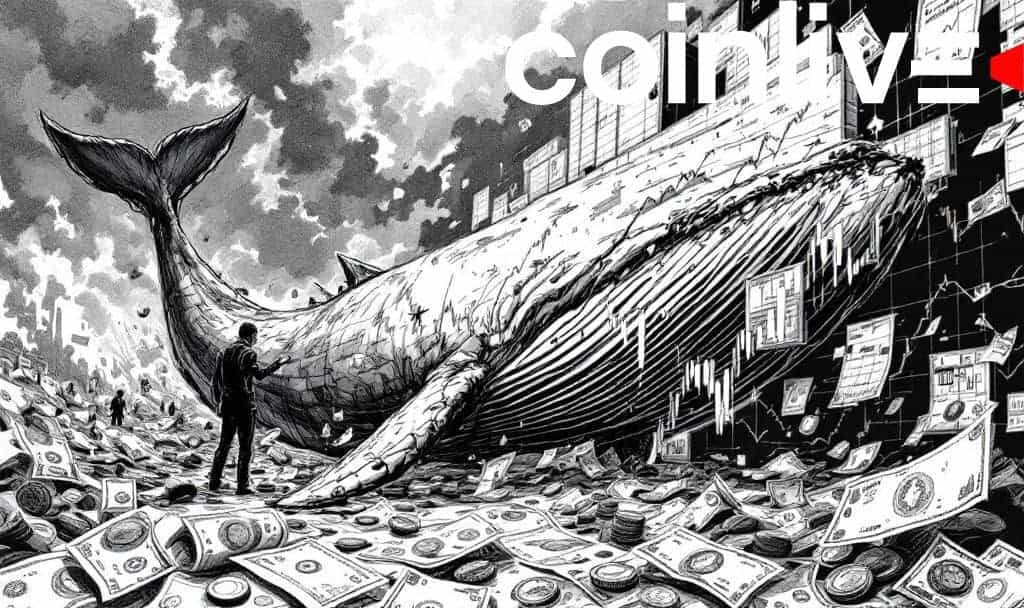
Bitcoin’s price has plunged to $97,000, a six-month low, due to continued whale selling and macroeconomic concerns, with fluctuations observed on December 29, 2024.
This matters as institutional buying attempts recovery, influencing overall cryptocurrency market trends and investor sentiment.
Main Content
Bitcoin Price Decline
Bitcoin (BTC) has plunged to near $97,000, reaching its lowest point in six months, largely driven by sustained whale selling. Prior to this, Bitcoin maintained levels above $100,000 despite challenging macroeconomic conditions and fluctuating investor sentiment.
Key players, such as MicroStrategy, led by Michael Saylor, have been actively accumulating Bitcoin, purchasing an additional $209 million in December 2024. Whales have been selling since BTC prices surpassed $100,000, according to CryptoQuant CEO Ki Young Ju.
“We remain committed to our target of $42 billion worth of BTC acquisition over the next 3 years.” — Michael Saylor, Chairman, MicroStrategy
Market Impact and Institutional Activity
Immediate effects of this decline are evident as Bitcoin ETFs recorded substantial net outflows over recent trading days. The risk-off sentiment has also spread to other cryptocurrencies, impacting assets like Ethereum and Solana.


The financial implications extend to a wider market as institutional investors, despite falling prices, continue their accumulation strategy within the $93K–$97K range. This suggests possible stabilization influenced by dominant market forces.
Macro and Historical Context
The U.S. Treasury’s macroeconomic policies have also influenced the retracement, with officials citing unsustainable tariffs and trade barriers adding to the market’s cautious outlook.
Historical trends indicate that consolidation phases, similar to the current price level, often precede significant rallies. Institutional buying in the “survival corridor” suggests long-term investment confidence, setting a potential foundation for future growth.