- Recent sales by OG whales affect Bitcoin’s price stability.
- Institutional accumulation isn’t translating to fresh inflows.
- Altcoins benefit as investors divert from Bitcoin.
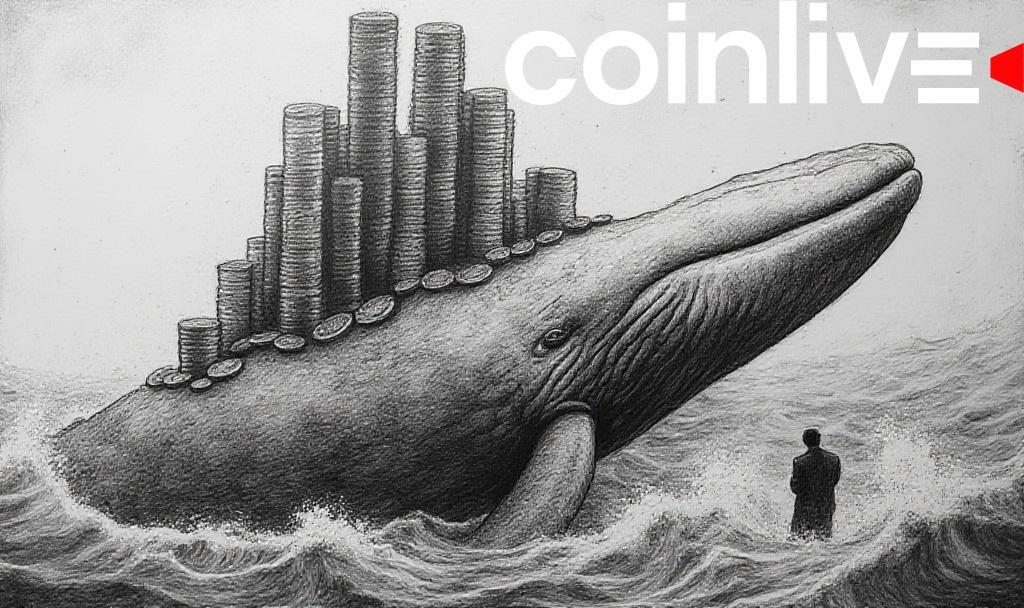
Bitcoin’s sluggish cycle is attributed to OG whales releasing dormant coins, notably from US and German government sales and Mt. Gox repayments, influencing trading patterns.

This situation underscores the significant role of whale activity and government actions in shaping Bitcoin’s current price trajectory and market dynamics.


Main Content
Bitcoin has been experiencing a slow, range-bound price action this cycle. OG whale sales, government liquidations, and legacy repayments are contributing to this sluggish performance. These factors collectively place downward pressure on Bitcoin’s market dynamics.
Market observers highlight that large, long-term holders, known as OG whales, are releasing dormant coins. This activity, coupled with other sales, adds to the market’s supply, impacting Bitcoin’s price action and investor confidence.
The immediate effect on the cryptocurrency market shows Bitcoin’s price stability being challenged. Altcoins are gaining investor attention as capital is rotated out of Bitcoin during this consolidation phase, diversifying the investment landscape.
Financially, Bitcoin trading remains subdued despite notable corporate treasury holdings.
The muted price response is affecting share valuations for crypto treasury firms, which have dropped significantly, indicating market trepidation over current Bitcoin supply dynamics.
Market analysts and key figures, including Arthur Hayes, identify these supply dynamics as persistent influencers on price trends. “The market is digesting large, unexpected BTC supply—the effect is slow but undeniable.”
Technical indicators and historical precedents also suggest potential for an eventual recovery post-absorption of current supply levels.
Insights suggest the supply from OG whales will continue shaping Bitcoin’s performance. Historical trends following Bitcoin halvings indicate possible future recovery. As the market adjusts, traders focus on long-term data to assess investment strategies.