
- Whales continue to sell as market volatility persists.
- Institutional accumulation indicates mixed market signals.
- Further price instability anticipated due to whale movements.
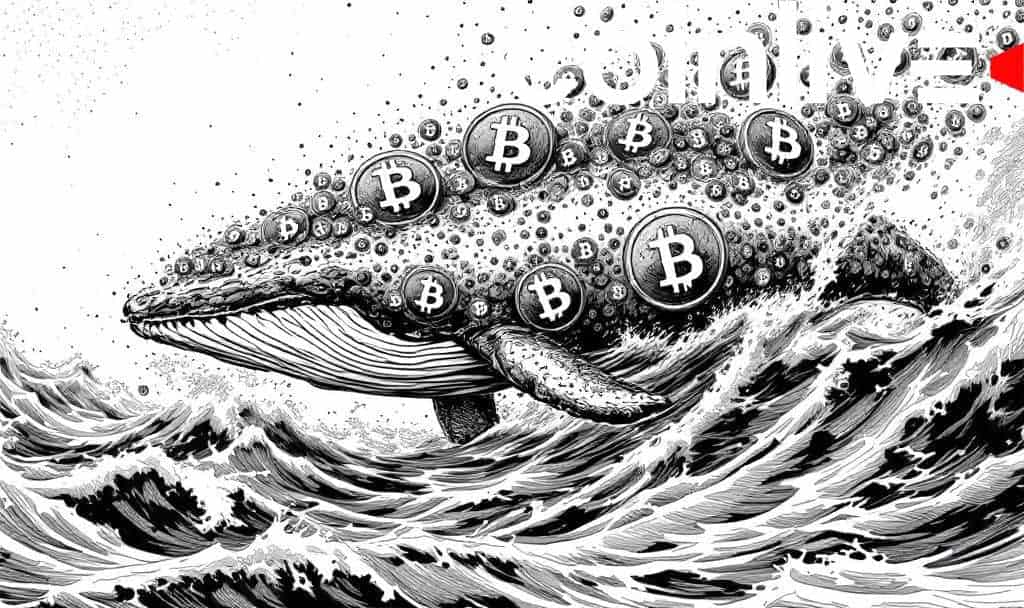
Bitcoin’s recent price activity below $90,000 is being shaped by significant whale transactions since November 2025, as identified by key exchanges like Glassnode and CryptoQuant.
The whale activity in selling and accumulating suggests ongoing volatility, with potential implications for both retail and institutional market positions.


Bitcoin failed to bottom at $80K in late November 2025 with ongoing whale sales leading to market fluctuations. Notably, whales possessing over 1,000 BTC have maintained their selling regime. “For some reason, [$100,000] was the level at which people always said they’d sell some,” said Cory Klippsten, CEO of Swan Bitcoin, signaling the psychological importance of this milestone.
Key market participants include institutional entities accumulating BTC while others continue heavy selling. BlackRock’s iShares Bitcoin Trust recorded a $523 million outflow, reflecting sentiment shifts among large holders.
The effects of whale activities are creating significant market volatility, impacting the overall cryptocurrency landscape. Retail investors exhibit a declining trend in BTC holdings amid increased institutional participation. Financial markets face uncertainty, as options pricing shows just a 30% chance of BTC reaching above $100,000.
Despite a substantial outflow, the actions of whales present mixed signals. Institutional investors are strategically accumulating, thus balancing the market dynamics influenced by significant BTC movement. An analyst from Deribit noted, “The $2 billion options trade executed by one whale reflects high conviction regarding price stability or a modest rebound.”
Future market outcomes could involve more regulatory scrutiny and technological advances as history often repeats with high whale activity, reflecting past corrections in 2022/2023. There is potential for short-term market recovery if accumulation trends persist.