
- Tether’s CEO announces USDT acceptance at Bolivian car dealerships.
- Boosts stablecoin adoption in emerging markets.
- Reflects regulatory liberalization and market demand for stablecoins.
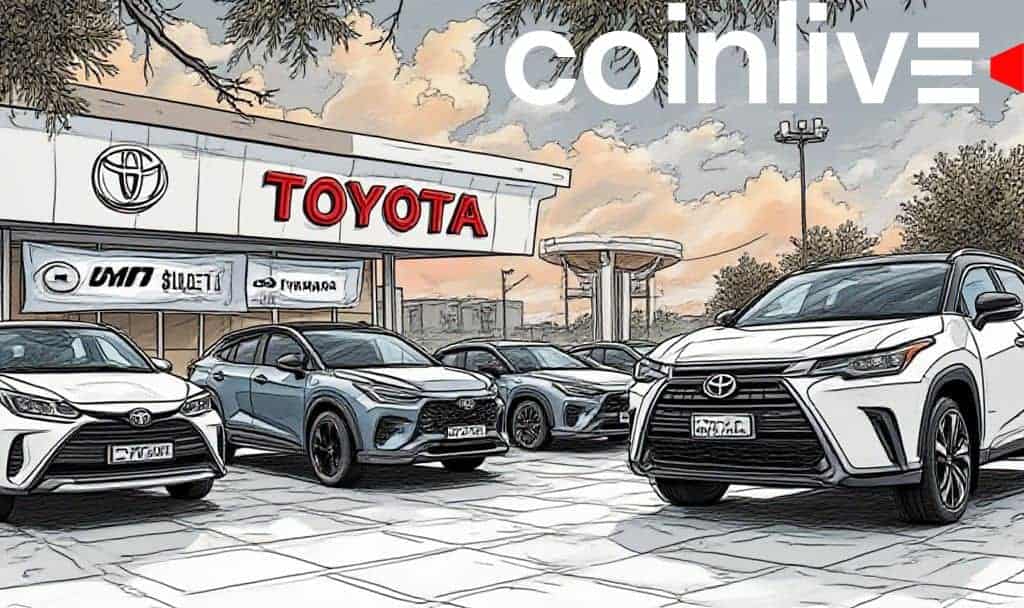
Toyota, BYD, and Yamaha dealerships in Bolivia now accept USDT payments, as confirmed by Tether CEO Paolo Ardoino on September 21, 2025.
This development highlights the growing adoption of stablecoins in emerging markets, influencing regional economic activity and payment systems, particularly amidst cryptocurrency-friendly regulatory changes in Bolivia.


Article
Toyota, BYD, and Yamaha Accept USDT
Tether’s CEO Paolo Ardoino announced that Toyota, BYD, and Yamaha dealerships in Bolivia are now accepting USDT payments, reflecting a significant adoption milestone in emerging markets. The announcement was made via a direct statement on September 21, 2025.
Ardoino highlighted USDT as a “digital dollar” increasingly used in developing economies. The dealerships now accepting USDT for vehicle purchases marks a growing merchant adoption of stablecoins in regions with volatile local currencies.
The acceptance of USDT in Bolivia is expected to impact local economies by offering a stable alternative to volatile currencies. It signifies increased merchant trust in stablecoins, reflecting broader digital adoption in the financial sector.
Paolo Ardoino, CEO, Tether, said, “USDT is the digital dollar that’s now serving hundreds of millions of people, particularly in developing economies.” source
Economists note that this shift supports crypto transaction growth, with Bolivia’s central bank reporting a 630% increase in crypto activity. Industry observers see this as a pivotal moment for stablecoin use in real-world transactions.
Bolivia’s regulatory framework now favors cryptocurrency within its economic landscape. The central bank’s recent resolution allows crypto transactions, boosting USDT usage and signaling enhanced institutional acceptance of stablecoins in business dealings.
Historical data from Latin America, such as cases in Argentina and Venezuela, show that increased stablecoin integration often precedes boosts in crypto liquidity and merchant engagement. Analysts anticipate similar economic outcomes following Bolivia’s USDT adoption.