Why Brent crude is above $100: Strait of Hormuz, OPEC+ cuts
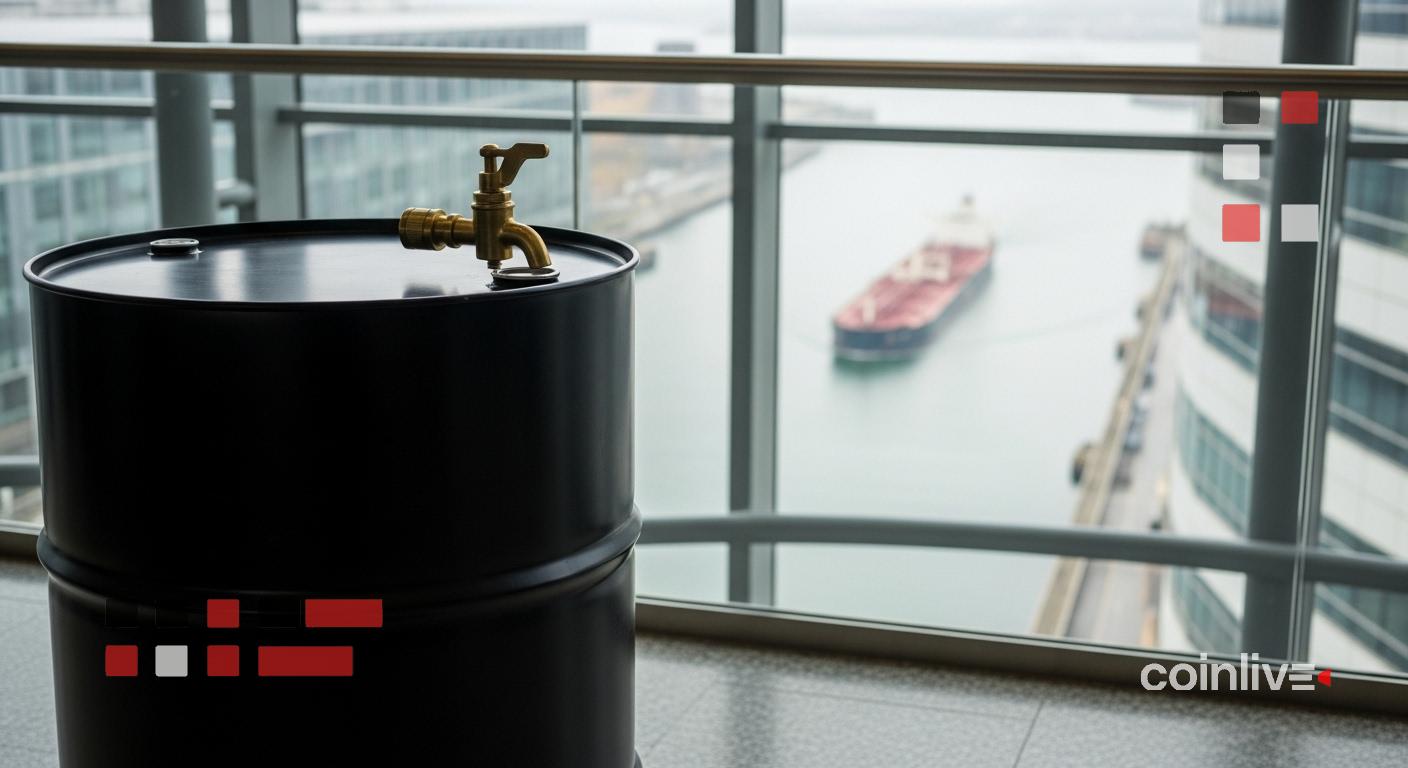
Brent’s latest upswing reflects a rising supply‑risk premium linked to potential disruptions in the Strait of Hormuz, a key chokepoint for Middle East crude shipments. According to J.P. Morgan Global Research, the breakout has been driven largely by geopolitical factors tied to Iran and intermittent flow constraints through this corridor.
At the same time, OPEC+ supply cuts have kept balances tight, amplifying the effect of any transport bottleneck. Goldman Sachs analysts have cautioned that if bottlenecks around the Strait of Hormuz persist, elevated prices may endure longer than previously expected.
What the Brent crude oil price at $100 means now
At the time of this writing, brent crude oil price strength around the $100 threshold raises the risk of broader cost pass‑through into transport, manufacturing, and heating. The immediate macro implication is firmer headline inflation, which can complicate the path for monetary easing.
As reported by ForexLive, higher oil prices near this level could delay anticipated interest‑rate cuts, especially in economies sensitive to energy costs. That prospect adds uncertainty to growth forecasts even if core inflation continues to ease.
For households, pump prices tend to follow crude with a lag, and exposure remains high in import‑dependent markets such as the UK. Colin Walker, Head of Transport at the Energy and Climate Intelligence Unit (ECIU), said: “Oil at $100 could send UK petrol prices to about £1.50 per litre, and potentially higher if oil rose further.” He has also argued that owners of electric vehicles are less exposed to these geopolitical swings.
Geopolitical drivers: Strait of Hormuz disruptions and supply risk premium
As reported by Axios, analysts widely attribute the jump to war‑related tensions around Iran and the near‑shut or disrupted flows through the Strait of Hormuz, a major transit route for global oil. When this corridor is at risk, traders embed a supply‑risk premium into Brent, raising volatility.
In their daily commodity feed, ING noted that even a record emergency release of 400 million barrels by the International Energy Agency did not fully calm markets, with tightness especially in middle distillates. The persistence of risk premia despite emergency barrels illustrates how logistics and refined‑product constraints can dominate short‑term pricing.
| Disclaimer: The information provided in this article is for informational purposes only and does not constitute financial, investment, legal, or trading advice. Cryptocurrency markets are highly volatile and involve risk. Readers should conduct their own research and consult with a qualified professional before making any investment decisions. The publisher is not responsible for any losses incurred as a result of reliance on the information contained herein. |