


China-U.S. Dialogue: Mutual Respect Before Xi-Trump Talks
Discussion between Xi Jinping and Donald Trump may stabilize global trade and economic relations amid geopolitical tensions.
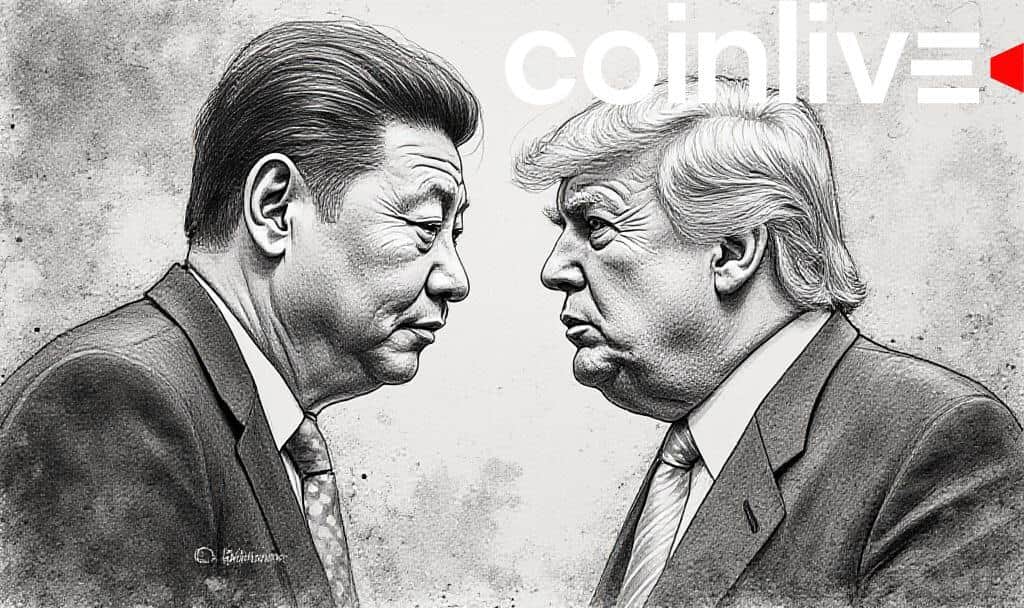
- Xi and Trump uphold mutual respect before talks, says Wang Yi.
- Engagement may stabilize global trade and economic relations.
- Markets prepare for potential shifts in financial policies.
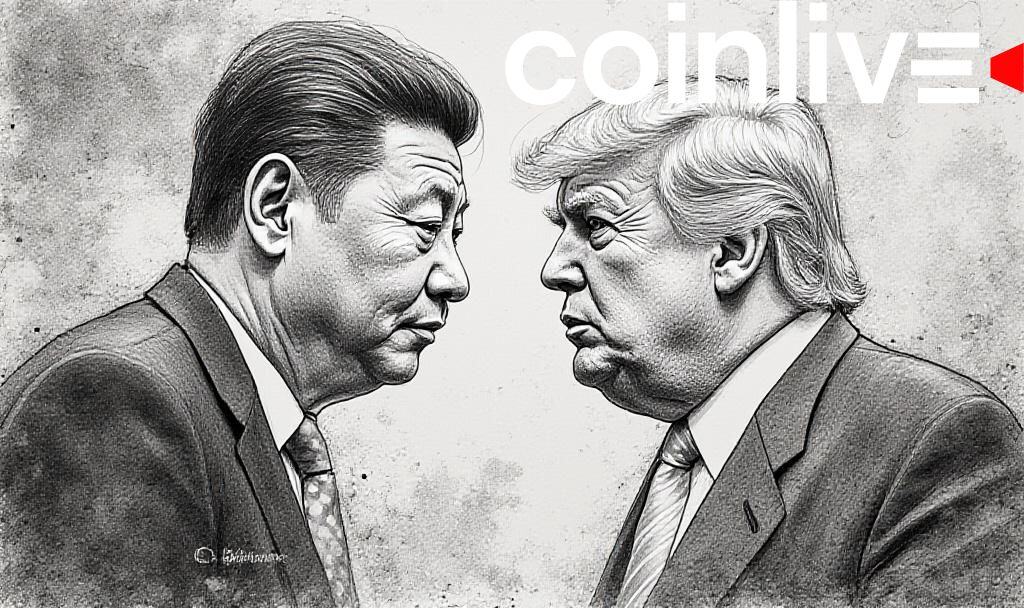
As President Xi Jinping and President Trump prepare for their upcoming talks later this week, China’s Foreign Minister Wang Yi emphasizes their mutual respect and engagement.
Global markets keenly monitor the Trump-Xi meeting for potential tariff impact, affecting trade and economic policies, with implications for major asset classes and market volatility.
Chinese Foreign Minister Wang Yi emphasized the mutual respect between Xi Jinping and Donald Trump. They have maintained a respectful relationship ahead of their upcoming meeting. The discussions are scheduled to take place later this week.
Wang Yi highlighted the role of both leaders as “world-class”, stressing their long-standing engagement. He noted that their upcoming meeting is crucial in potentially reshaping bilateral ties amid ongoing geopolitical tensions.
Global markets closely monitor the U.S.-China dialogue for economic implications. There is speculation that outcomes of the meeting may affect trade tariffs, rare earth exports, and agricultural commodities, possibly impacting multiple industries.
Financial analysts predict possible trade policy shifts following the meeting, affecting various sectors. Market volatility often accompanies geopolitical events, raising uncertainty in equities and possibly extending to cryptocurrencies.
The absence of direct cryptocurrency impact in official reports leaves crypto observers vigilant. A historical context shows significant market reactions during past high-level U.S.-China talks, influencing both traditional and digital assets.
While no explicit statements link to blockchain or digital assets, historical trends suggest market volatility during such diplomatic exchanges. This might indirectly affect crypto markets, particularly if trade policies are significantly altered.
“Countries should work together to maintain global stability and openness.” — Wang Yi, Foreign Minister, People’s Republic of China
More From Crypto News

BlackRock Files for Bitcoin ETF With Downside Protection
The proposed product is named the iShares Bitcoin Managed Protect ETF, as identified in an SEC EDGAR full-text search for “Bitcoin Managed Protect” . BlackRock...

XRP Ledger Bug Fixes Set for Friday as DeFi Lending Awaits Approval
The XRP Ledger is approaching a scheduled bug-fix activation set for Friday, while a separate proposal to bring native DeFi lending to the network remains in a...

Qubic Blames Weak Wallet Seeds for Security Incident, Denies Hack
Qubic has pushed back against claims of a network hack, saying a security incident affecting users stemmed from weak wallet seeds rather than any compromise of...

BitMine Adds 12,535 ETH as Tom Lee Flags Macro Headwinds
BitMine has added 12,535 ETH to its corporate treasury, extending the company’s Ethereum accumulation strategy even as Fundstrat co-founder Tom Lee flagged both...

CFTC Data Shows Hedge Funds Cut Bearish Bitcoin Futures Bets
Hedge funds trimmed their net bearish exposure to Bitcoin futures in the week ending Oct. 13, according to the weekly Commitments of Traders report published by...

Aave USAT Gateway Proposal: Approval Needed for Return Swaps
Aave’s proposed USAT gateway carries a design condition that separates depositing from the right to reverse: users would need continuing approval to swap back,...
