


CMA CGM curbs Mideast bookings amid Gulf conflict
CMA CGM Middle East bookings suspension, Suez/Red Sea rerouting via Cape of Good Hope, emergency conflict surcharge; carriers cite war-risk and fuel costs.
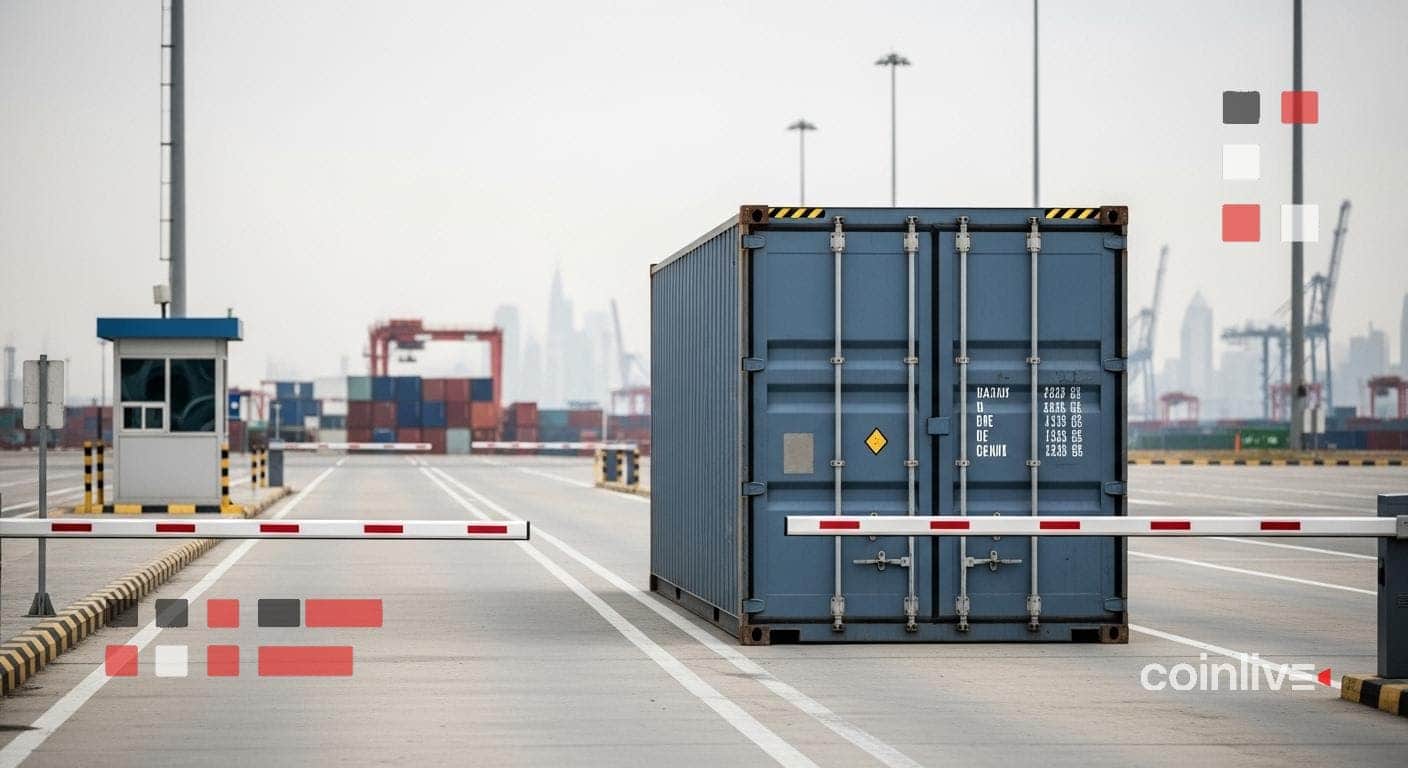
CMA CGM Middle East bookings suspension: what it covers
CMA CGM Middle East bookings suspension has moved from headline risk to operational reality as the world’s third-largest container line tightens cargo acceptance and routing. The carrier has halted all dangerous goods and other hazardous bookings to Iraq, Bahrain, Kuwait, Yemen, Qatar, Oman, the UAE, Saudi Arabia, Jordan, Egypt (Ain Sokhna), Djibouti, Sudan, and Eritrea, according to Container News.
In parallel, company communications indicate a partial suspension of other Middle East bookings rather than a blanket halt; an earlier ‘all bookings’ phrasing was subsequently corrected, as reported by MarketScreener. Service availability for non-dangerous cargo may vary by corridor and remains subject to ongoing advisories.
Why it matters now and immediate shipper impact
With Suez and Red Sea transits avoided, rerouting around the Cape of Good Hope lengthens voyages and raises bunker consumption, squeezing effective capacity and schedule reliability. The longer track adds days and materially increases fuel costs, according to Fresh Fruit Portal.
Conflict-exposed lanes also face higher war-risk insurance premiums, adding another variable charge on top of ocean rates. These premiums have spiked with elevated threat levels in Gulf and Red Sea theaters, as reported by The Guardian.
Shippers are encountering an emergency conflict surcharge, commonly cited at roughly USD 2,000–4,000 per container, with some applications extending to cargo already afloat that has not been discharged, according to The Australian. Freight & Trade Alliance executive Tom Jensen has criticized the measure’s retroactive reach and budget impact.
Carrier stances are fluid, with resumption timelines now pushed out by safety assessments. ‘What had been plans to resume using the Suez Canal are now delayed significantly longer,’ said Rolf Habben Jansen, CEO of Hapag-Lloyd.
Freight data analysts also flag fresh uncertainty in network planning. According to Maritime Executive, Xeneta notes that CMA CGM’s reversal on Red Sea reopenings adds to unpredictability in service reliability.
Security advisories continue to shape routing and port calls. The UK Maritime Trade Operations centre has warned that the maritime security environment across the Arabian Gulf, Gulf of Oman, North Arabian Sea, Bab al-Mandab, and the Strait of Hormuz remains highly volatile, with an elevated threat to commercial shipping.
Suez/Red Sea rerouting via Cape of Good Hope
CMA CGM has instructed Gulf-bound vessels to take shelter, suspended any passage through the Suez Canal, and ordered rerouting via the Cape of Good Hope until further notice, as reported by English Ahram. Operational execution is already in effect on ships inbound to or operating within the Gulf.
The broader liner market is making similar risk adjustments, with several carriers suspending services through the Strait of Hormuz and diverting tonnage, and with Maersk reversing plans to return to Red Sea sailings, as reported by The Loadstar. This alignment of risk posture points to a period of constrained capacity into Gulf and adjacent Red Sea ports.
Rerouting around southern Africa typically prolongs transit and increases fuel burn; the precise impact depends on origin, destination, and vessel speed settings. Surcharges, war-risk charges, and contract carve-outs such as force majeure may continue to evolve as advisories are reviewed.
| Disclaimer: The information provided in this article is for informational purposes only and does not constitute financial, investment, legal, or trading advice. Cryptocurrency markets are highly volatile and involve risk. Readers should conduct their own research and consult with a qualified professional before making any investment decisions. The publisher is not responsible for any losses incurred as a result of reliance on the information contained herein. |
More From Crypto News

BlockSec: $387.5M Stolen From Bitget, Under $1M Frozen
According to BlockSec’s fund-flow analysis , the reported loss was revised upward from an initial estimate of roughly $351. 6 million to approximately $387.

Compound Launches on Unichain With New Collateral
Compound Finance has deployed on Unichain, adding support for five collateral assets: wstETH, weETH, ezETH, BTC and UNI.

Bitcoin, Ether and XRP Rebound After Flash Crash
Bitcoin, Ether, and XRP staged a recovery after a sharp flash crash sent prices across the crypto market lower, with all three assets rebounding from their intr...

Bitcoin, Ether and AI Stock Perpetuals Fall on Black Monday Fears
The selloff was notable for its breadth: Bitcoin and Ether moved lower in tandem with perpetual contracts tied to AI-related equities, signaling that the risk-o...

Solana Tokenized RWA Market Grows 600% as Ethereum Trails
Solana’s tokenized real-world asset market has surged 600% over the past year, outpacing Ethereum’s growth in the same segment and marking a significant shift i...

Aster Launches DNA Perpetuals With Up to 5x Leverage
Aster launched $DNA perpetuals on October 16, 2026, with a stated maximum leverage of up to 5x, expanding its derivatives lineup through the exchange’s on-chain...
