
Kazakhstan reallocates gold and foreign exchange reserves to a $350M crypto reserve
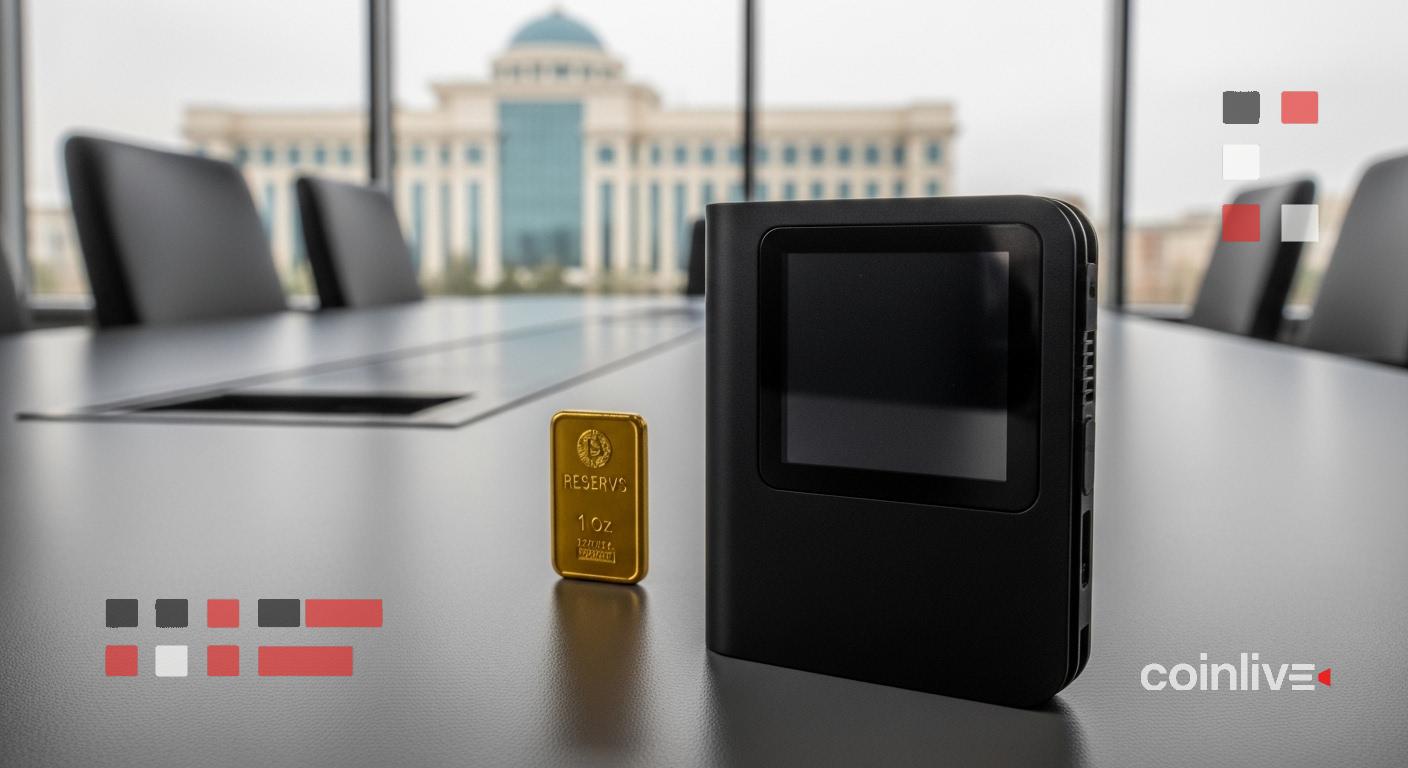
Kazakhstan has formed a portfolio of up to $350 million drawn from its gold and foreign exchange reserves to build a crypto-related reserve, according to Reuters. The move reallocates a limited slice of the sovereign reserve base rather than wholesale selling of bullion, framing digital-asset exposure as a policy experiment under the central bank’s oversight.
Initial exposure will prioritize regulated instruments, such as exchange-traded funds, equities, index products, and related derivatives, rather than large direct purchases of cryptocurrencies, as reported by The Block, which also noted deployment could begin around April–May 2026. This structure favors risk-managed, indirect participation in the sector while operational details and governance are finalized.
What this move is and why it matters now
The reserve aligns with President Kassym-Jomart Tokayev’s directive to establish a state digital-asset fund and to supplement financing with proceeds from state-backed mining, seized digital assets, and repatriated funds, according to Crypto.news. By leaning on multiple funding channels and setting a cap from gold and FX reserves, policymakers appear to be balancing innovation with balance-sheet prudence.
Kazakhstan’s role in crypto has evolved from a mining influx amid low-cost power to tighter oversight following energy strains and market volatility. Against that backdrop, a measured, rules-based allocation into crypto-adjacent assets signals an attempt to harness sector growth while containing macro, legal, and reputational risks.
Officials have underscored that legal infrastructure, custody, and stepwise execution are prerequisites to deployment. “We will proceed slowly and deliberately, with decisions guided by thorough legal and infrastructural preparation,” said Timur Suleimenov, Governor of the National Bank of Kazakhstan.
Legal and infrastructural frameworks are being put in place to support accountability, custody clarity, and oversight before material allocations occur, according to Interfax. In practice, that approach is designed to limit reserve volatility and preserve policy flexibility if market conditions shift.
At the time of this writing, Bitcoin trades near $70,443 with medium volatility around 3.15% and a neutral 14-day RSI near 51.5. These conditions underscore why authorities have emphasized indirect instruments and staged rollouts over immediate, large-scale token accumulation.
Managed by the National Bank of Kazakhstan’s investment arm (NIC)
The portfolio will be run by the National Investment Corporation (NIC), a subsidiary of the National Bank, with a segregated account at the country’s Central Depository to enhance monitoring and control, according to MEXC News. Segregation and depository-level controls are intended to strengthen audit trails and reduce operational risk.
Aliya Moldabekova, Deputy Chair of the National Bank, has said the bank is selecting qualified firms to manage portions of the allocation with mandates focused on digital-asset infrastructure and allied sectors. Within this framework, institutional oversight, risk limits, and custodied structures are expected to govern how capital is deployed and adjusted over time.
| Disclaimer: The information provided in this article is for informational purposes only and does not constitute financial, investment, legal, or trading advice. Cryptocurrency markets are highly volatile and involve risk. Readers should conduct their own research and consult with a qualified professional before making any investment decisions. The publisher is not responsible for any losses incurred as a result of reliance on the information contained herein. |