- The US Treasury designates Huione a primary laundering concern.
- Tudou Guarantee processes $12B in fraud transactions.
- Telegram bans drive vendor adaptation to new platforms.
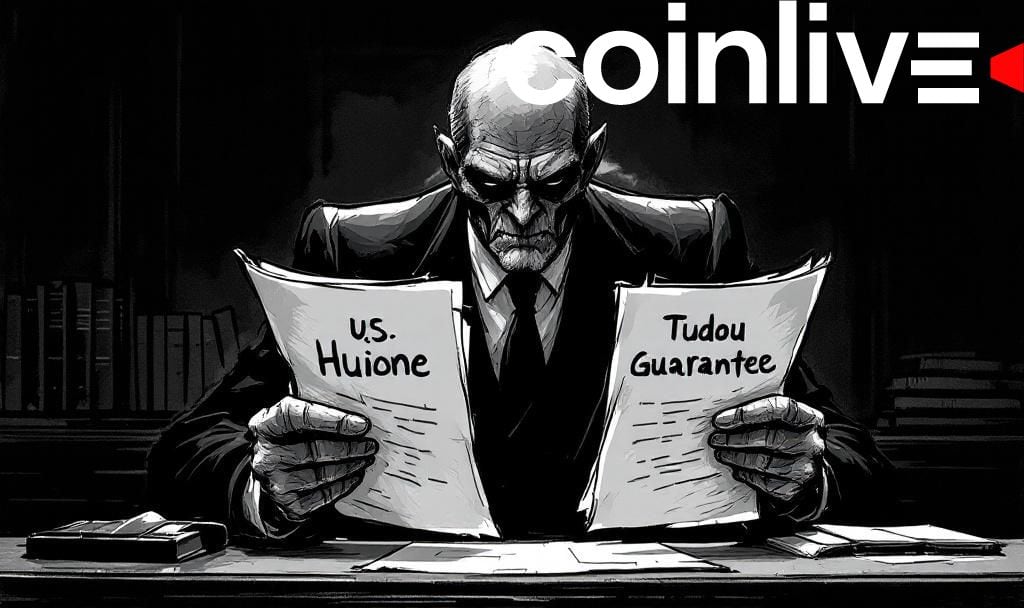
The collapse of Tudou Guarantee, a significant player in Southeast Asia’s crypto laundering network, highlights ongoing issues within illicit financial systems.
This event exposes vulnerabilities in regulatory oversight, causing increased scrutiny on crypto transactions and potential impacts on market stability.


The United States Treasury identified Huione Group as a leading force in crypto laundering through its subsidiaries. Telegram bans (Telegram’s open network (TON) features) prompted a migration of vendors, reshaping the digital laundering networks but preserving their underlying structures.
Huione Group’s subsidiaries, Huione Guarantee and Huione Pay, faced regulatory scrutiny for minimal KYC operations. Following channel bans, vendors shifted activity to Tudou Guarantee, maintaining similar financial strategies and increasing market adaptability.
The closures and bans affected the crypto economy, prompting vendors to adapt by moving to alternate infrastructures. This quick response highlights the resilience of operators and the ongoing challenges for regulatory bodies in controlling illicit activities.
The financial impact is significant, with vendors transitioning to Tudou Guarantee causing transaction volumes to surge up to 70-fold. However, this focus on escrow services complicates efforts to track and regulate crypto laundering activities effectively. As detailed in the U.S. Treasury’s press release, “Increased scrutiny is necessary to combat the adaptation of illegal networks leveraging technology to evade regulation.”
Tudou’s recent shutdown underscores ongoing volatility in illegal financial operations. Regulatory actions are reshaping laundering tactics, as evidenced by Huione’s integration with low-KYC digital payment systems.
Potential outcomes involve heightened regulatory scrutiny and technological adaptations in response. Historically, rapid vendor migration patterns underline the agility within the ecosystem, posing challenges in crafting long-term enforcement policies. For more insights into how dirty crypto is laundered into clean money, visit this exploration of money laundering techniques.