
- Changpeng Zhao’s Davos address highlights the transformative role of crypto.
- Emphasis on tokenizing government assets and future integration.
- Predicts decline in physical banking in favor of digital finance.
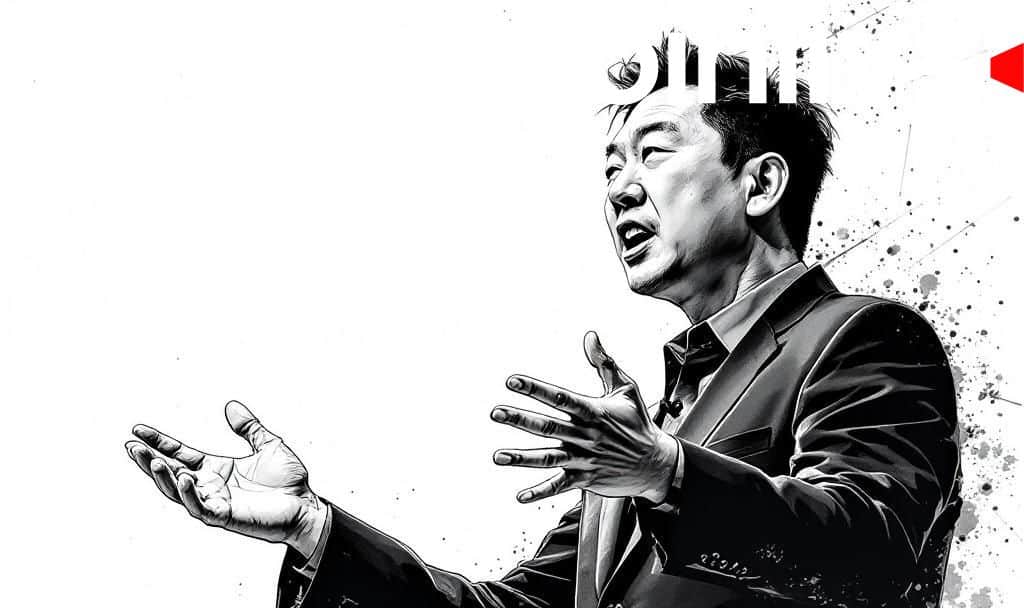
Changpeng Zhao, Binance co-founder, addressed the World Economic Forum in Davos on January 22, 2026, discussing cryptocurrency’s role in future digital finance and AI integration.
Zhao’s insights underline tokenization as a potential catalyst for growth, impacting traditional financial systems, despite no immediate market shifts or regulatory changes observed.


At the World Economic Forum in Davos on January 22, 2026, Changpeng Zhao (CZ), co-founder and former CEO of Binance, emphasized the tokenization of government assets as crucial for future economic growth. This comes amid ongoing discussions with over a dozen governments.
CZ highlighted that crypto exchanges and stablecoins are the only mature and profitable segments at present. He forecasted that traditional financial infrastructure will face significant challenges, thus necessitating adaptable global regulations to ensure stability and growth.
The integration of crypto into existing financial frameworks has potential implications across various sectors. Stablecoins and Bitcoin are likely to benefit, aligning with his predictions of a Bitcoin “super cycle” without current market disruptions.
Future regulatory adaptability could redefine financial ecosystems. Tokenizing government assets like infrastructure and real estate could enable fractional ownership, providing new avenues for capital flow and economic participation, potentially diminishing the need for physical banking presence.
“Tokenization of government assets, crypto payments integration, and crypto as the native currency for AI agents will be the industry’s next growth drivers.” – Changpeng Zhao (CZ), Co-founder, Binance