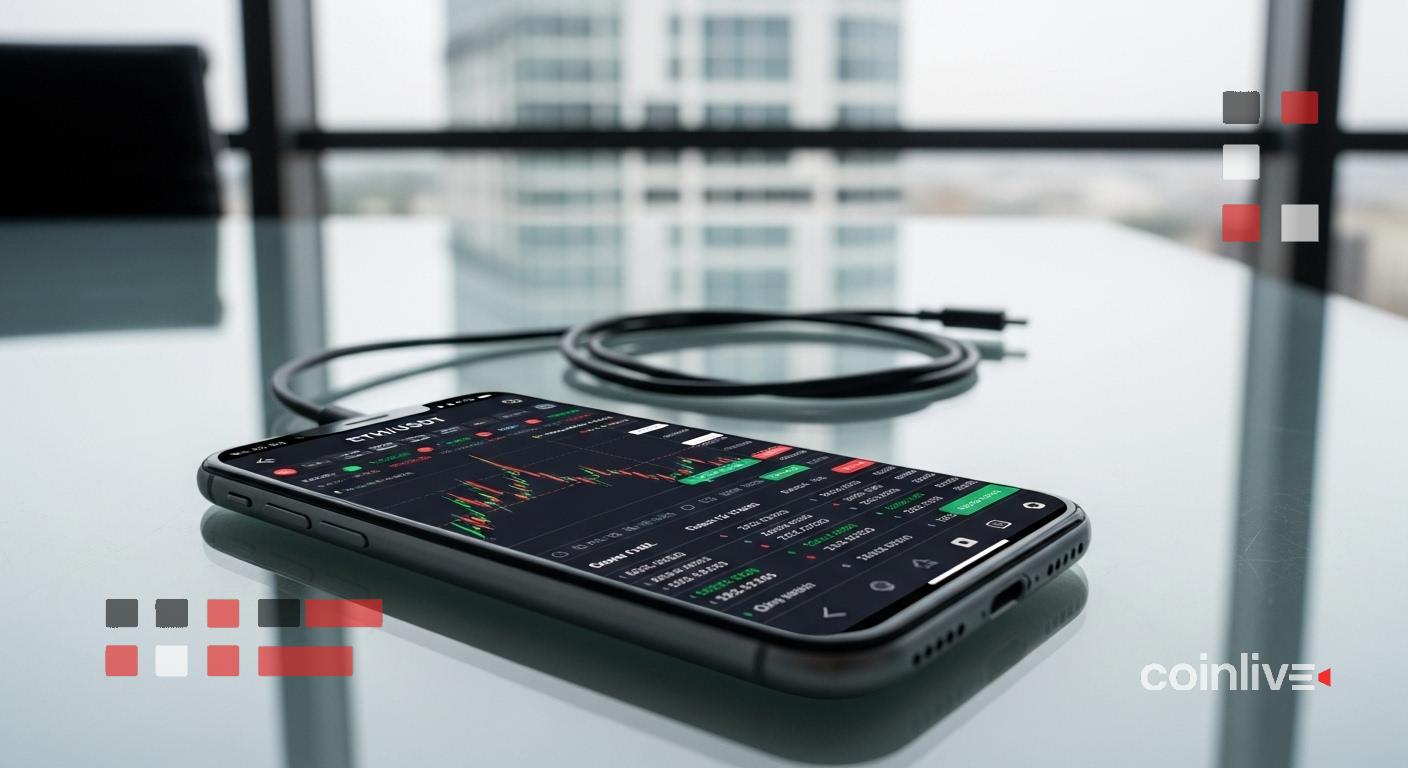
A renewed burst of Ethereum trading activity on Binance is coinciding with livelier intraday swings, pointing to a market that is rotating back toward risk while reassessing liquidity conditions. The pattern aligns with past episodes in which turnover jumps ahead of steadier depth, leading to faster moves in both directions.
ETH is waking up: turnover surge signals risk-on rotation
Binance’s ETH turnover has reached a six‑month high, as reported by CryptoPotato, a setup analysts often link to traders rapidly repositioning during periods of rising volatility. In practice, that tends to express as brisk two‑way price action rather than a one‑way trend until liquidity stabilizes.
A related read on market churn comes from a 30‑day liquidity ratio near 8.47 alongside roughly 29.6 million ETH changing hands over the period, as reported by BloomingBit, levels not seen since September. Elevated ratios of traded-to-held balances typically accompany leverage resets and tactical rotations, which can precede clearer directional follow‑through if depth improves and spreads compress.
Why it matters: liquidity recovery and faster, sharper price moves
Order‑book conditions explain how the same notional flow can move markets more, or less, than expected. Aggregated 2% market depth for ETH has grown about 41% since April 2025 across major venues, and Binance recently handled nearly half of spot ETH volume, according to CryptoSlate. Even so, depth relative to the surge in flow remains compressed, a mix that can produce outsized short‑term swings.
Longer‑horizon demand can help anchor that volatility. Corporate ETH holdings climbed sharply in mid‑2025, rising more than 127% month‑over‑month to surpass 2.7 million ETH as the number of companies holding ETH increased to 64, according to Binance Research. When balances migrate to treasuries, staking, or cold storage, the immediate exchange float thins, which can moderate drawdowns but also intensify rebounds if bids outpace resting offers.
Macro and derivatives dynamics still matter for path and pace. A rising turnover regime may reflect a liquidity and leverage reset rather than an immediate breakout, according to Investing.com, implying that liquidation cascades and margin adjustments can punctuate rallies.
Flows tied to market structure continue to evolve in the background. Spot ETH ETF inflows have persisted, albeit at a slower clip for now, while staking interest has increased among larger holders, as reported by ChainCatcher. Those trends can reduce circulating supply on exchanges over time, but their near‑term impact varies with broader risk appetite.
That interplay, brisk turnover against improving yet still‑finite depth, helps explain why the tape can accelerate in either direction even as structural demand firms. “Liquidity is recovering, and investor risk appetite seems to be rising,” said CryptoQuant.
Turnover vs. volume vs. liquidity vs. market depth
Turnover measures how frequently an asset changes hands over a set period on a venue; it can rise even if price is flat, signaling active repositioning. Volume is the raw count of units transacted, but without reference to resting orders it cannot reveal how easily the market absorbs new flow. Liquidity refers to the ability to trade size with minimal price impact, while market depth describes the stacked bids and asks visible in the order book at each price level.
When turnover and volume climb faster than depth and firm quotes, the same order size tends to travel farther through the book, increasing slippage and intraday volatility. As depth thickens, price impact per trade typically falls, and volatility can normalize unless fresh information or leverage shocks arrive.
At the time of writing, ETH trades near $2,093.53 with a 14‑day RSI around 52.24 (neutral) and a 30‑day volatility of about 4.28% (medium). The 50‑day and 200‑day simple moving averages near $2,382.01 and $3,079.21, respectively, sit above spot, while green days have occurred on 14 of the past 30 sessions (47%), a mix consistent with liquidity recovering but not yet settled.
| Disclaimer: The information provided in this article is for informational purposes only and does not constitute financial, investment, legal, or trading advice. Cryptocurrency markets are highly volatile and involve risk. Readers should conduct their own research and consult with a qualified professional before making any investment decisions. The publisher is not responsible for any losses incurred as a result of reliance on the information contained herein. |