
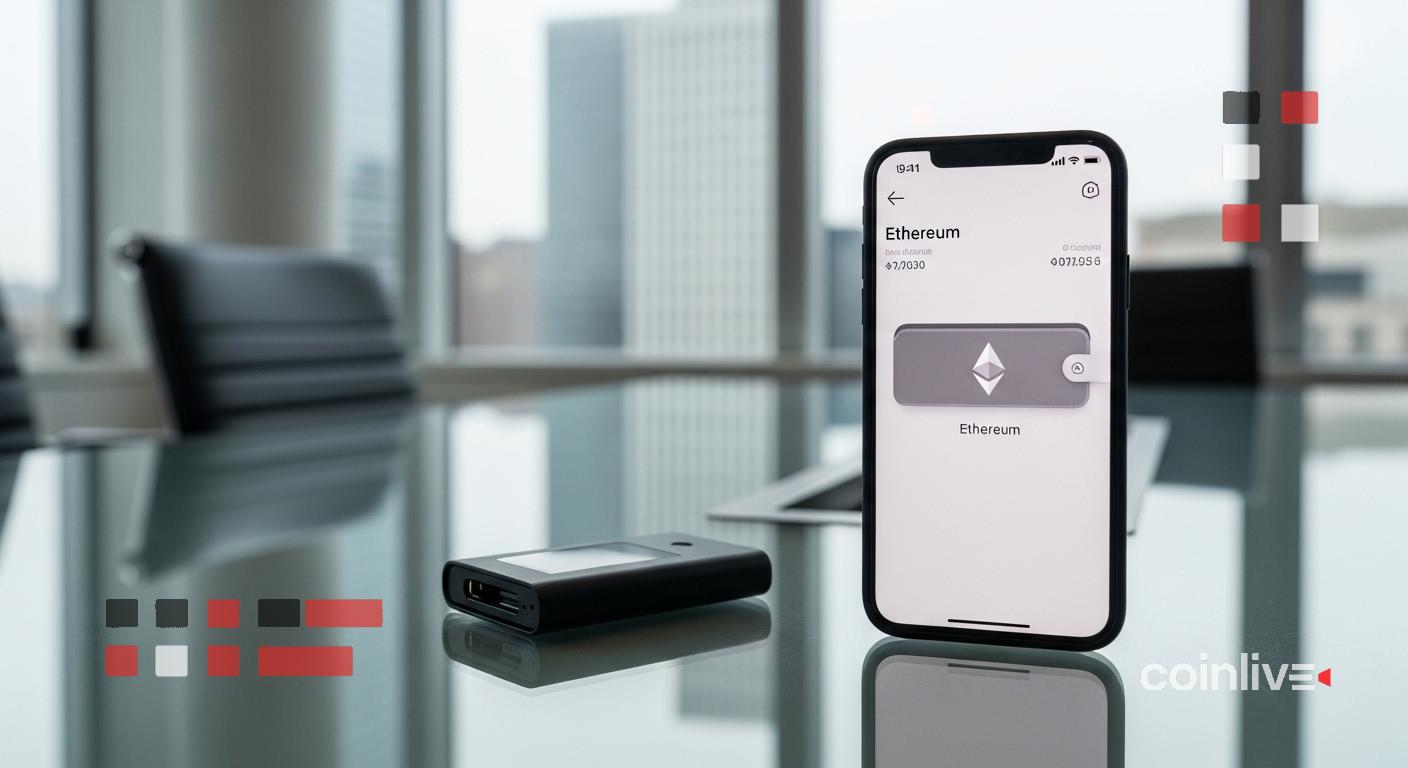
AI-integrated crypto wallets are moving from concept to near-term design reality as major builders explore agentic interfaces and least-privilege controls. As reported by Weex, Vitalik Buterin stated that next-generation wallets will heavily integrate AI and may reduce reliance on DApp user interfaces to shrink attack surfaces and align execution with user intent.
This article reviews public statements and reported features to interpret practical, short-term steps for safer AI wallet design. The framing centers on translating user goals into constrained, auditable actions, with local simulations and human oversight before any on-chain change.
AI-integrated crypto wallets will streamline UX and security via intent
The core shift is from click-by-click signing to intent-centric workflows, where an AI assistant interprets a user’s goal (for example, “rebalance to 60/40 ETH-stable”) and prepares a constrained transaction plan. The wallet then enforces checks, local simulation, policy limits, and explicit consent, so execution matches what the user meant rather than what a malicious contract might exploit.
In practice, an AI-first wallet experience could minimize exposure to unfamiliar DApp UIs by routing actions through a consistent, verified interface. The trajectory does not imply that interfaces disappear entirely; rather, high-friction or risky steps can be abstracted into explainable previews, with clear deltas between expected and simulated outcomes before the user approves.
Immediate impacts: fewer DApp UIs, simulations, human review, scoped permissions
Concrete implementations are already emerging. As reported by Tekedia, Binance has launched a first batch of seven AI Agent Skills in collaboration with Binance Wallet, an early example of mainstream experimentation with agentic helpers.
Industry governance conversations are also broadening from convenience to control. In a related vision for AI-to-AI commerce on Ethereum, Joni Pirovich, Founder and CEO at Crystal aOS, said, “Ethereum becoming the default settlement layer for AI-to-AI interactions is realistic. It’s less about ‘accelerating AGI’ and more about providing the necessary rails and guardrails for agentic commerce, trade, and investing,” according to Tech Yahoo.
Short-term wallet patterns are converging on local transaction simulations, explicit human review for high-value steps, and narrowly scoped permissions that expire or require step-up verification. These measures are designed to mitigate AI misinterpretation, adversarial prompts, and over-permissioned agents while keeping the user in final control.
Vitalik’s framing: intent-based wallet security and transaction simulations
Coverage by CCN of recent discussions on “intent-based wallet security” highlights a security model that aligns UX with enforcement: wallets simulate actions, flag divergences, and apply spend limits or multi-signature policies before execution. The intent layer becomes the contract, expressed in plain language, compiled into a set of checks, and verified against what the chain would actually do.
Risk management in this model depends on layered defenses that degrade safely. If an AI assistant proposes a transaction path, the wallet still performs local simulation, requests human confirmation for sensitive scopes, and constrains any delegated authority to a least-privilege set. This approach aims to reduce phishing, downgrade attacks via deceptive UIs, and irreversible errors from mis-clicks, while preserving auditability for users and institutions on networks such as Ethereum.
At the time of this writing, Ethereum (ETH) traded near 2,067.70 with neutral momentum and medium volatility, providing a measured backdrop for wallet UX changes, based on the market dataset accompanying this analysis. The figures suggest builders are prioritizing safeguards, simulations, human-in-the-loop confirmation, and scoped permissions, over speculative features as AI-integrated crypto wallets evolve.
| Disclaimer: The information provided in this article is for informational purposes only and does not constitute financial, investment, legal, or trading advice. Cryptocurrency markets are highly volatile and involve risk. Readers should conduct their own research and consult with a qualified professional before making any investment decisions. The publisher is not responsible for any losses incurred as a result of reliance on the information contained herein. |