


Event of a hack to steal cryptocurrency by means of a Bitcoin ATM
A hacker stole cryptocurrency from clients depositing at General Bytes Bitcoin ATMs. Event of a hack to steal cryptocurrency by means of a Bitcoin ATM The sum o...
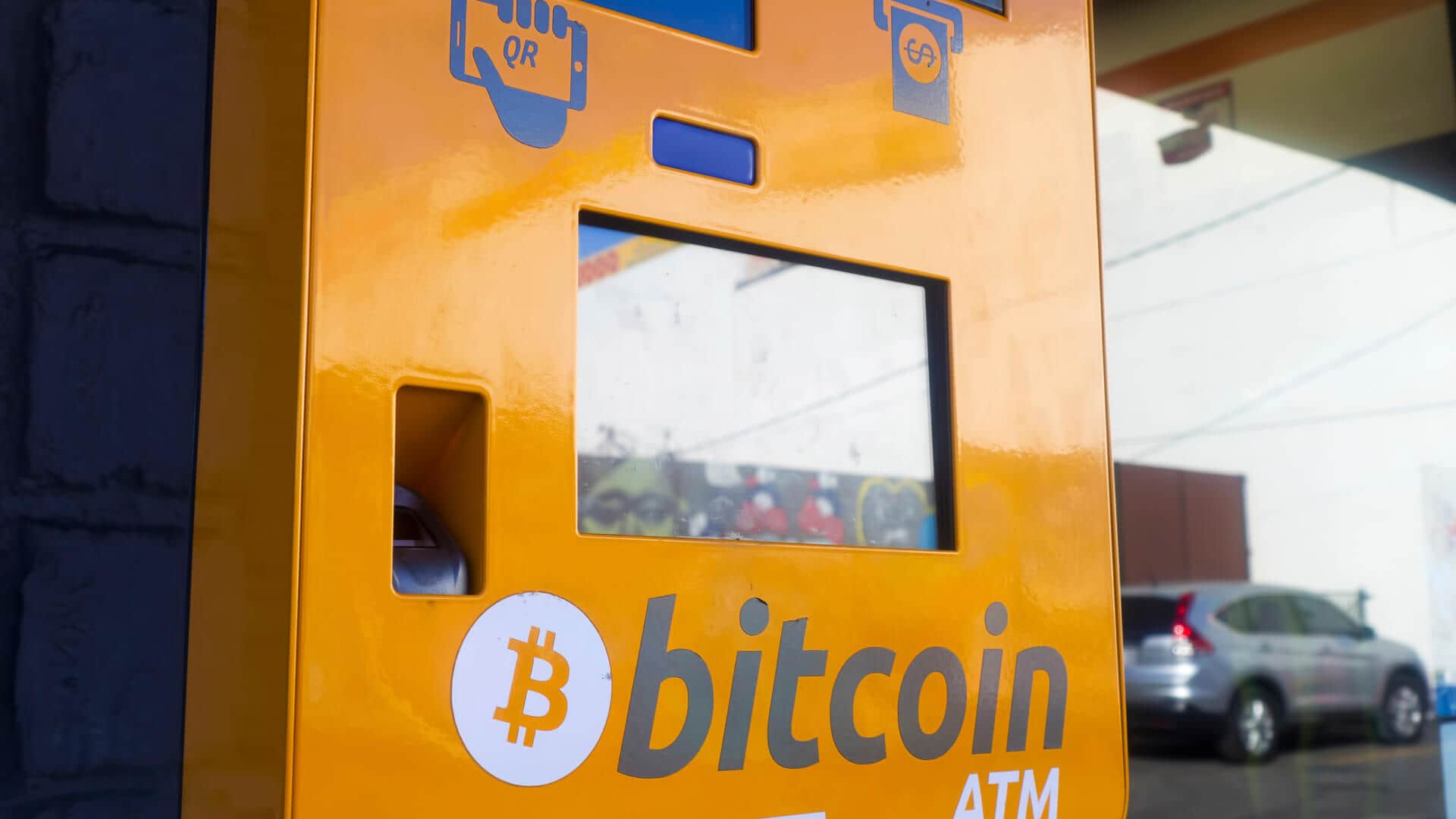
A hacker stole cryptocurrency from clients depositing at General Bytes Bitcoin ATMs.
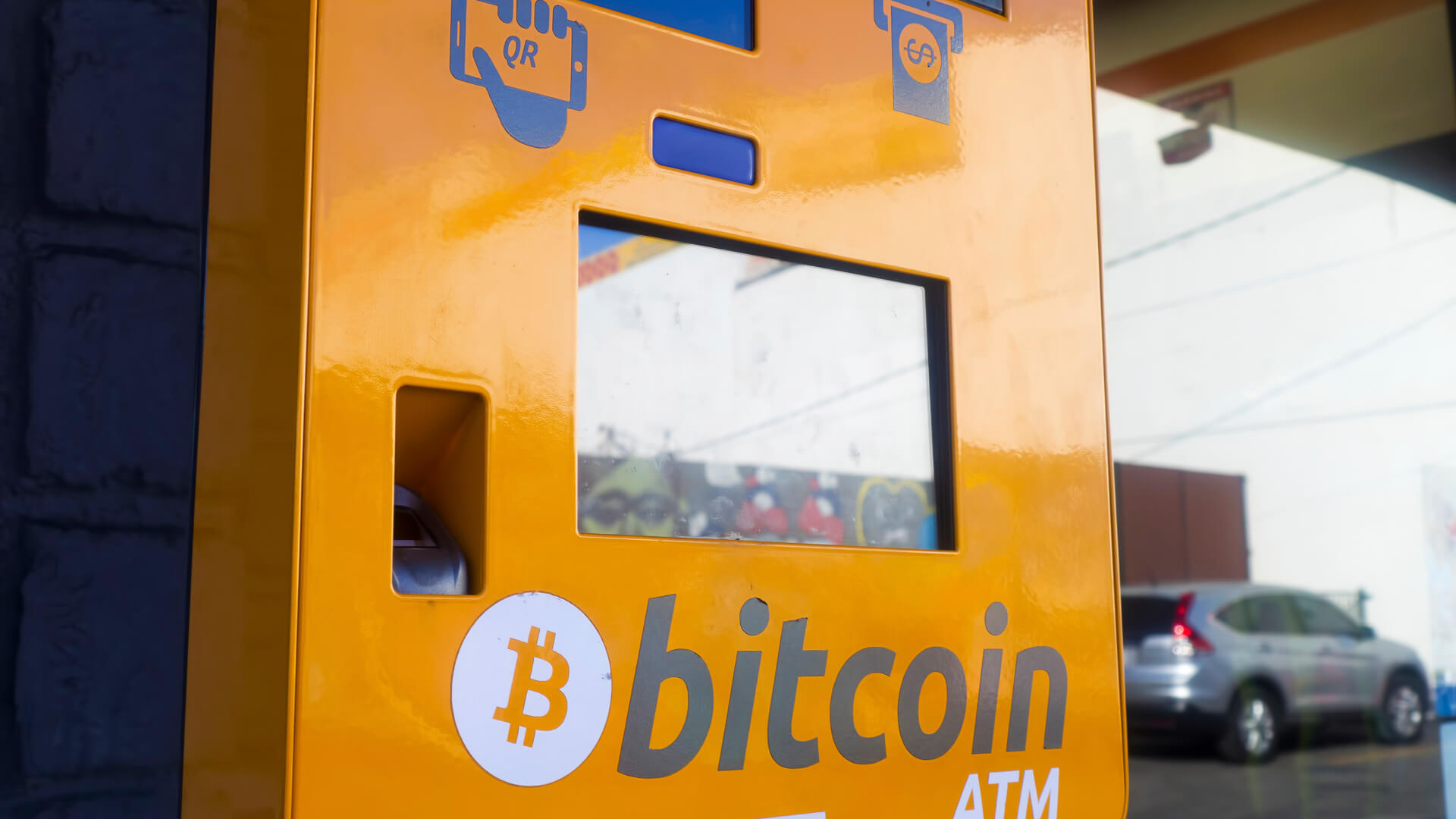
The sum of income stolen and the quantity of ATMs compromised have however to be disclosed, but the corporation urgently recommended ATM operators to update their software package. The hack was approved by General Bytes As of August 18, the corporation owns and operates 8827 available Bitcoin ATMs in much more than 120 nations.
The vulnerability has existed given that hacker improvements up to date Crypto Application Server (CAS) software package to edition 20201208. General Bytes urged clients not to use General Bytes ATM server until eventually the corporation updates their servers to enforce patches to versions 20220725.22 and 20220531.38 for clients working on 20220531.
As for how the authors received their income, General Bytes’ safety advisory staff explained they carried out a zero-day vulnerability assault to acquire accessibility to the company’s CAS and steal the money. . The CAS server manages the whole operation of the ATM, such as the obtaining and marketing of cryptocurrencies on regulated exchanges and coins.
Basically, zero-day is a phrase that refers to unknown and unresolved software package or hardware vulnerabilities. Hackers can exploit this vulnerability to assault the computer system method of businesses or organizations to steal or modify information.
The hackers scanned exposed servers working on TCP port 7777 or 443, such as individuals hosted on General Bytes’ cloud support. From there, they extra themselves as the default administrator on the CAS, named “gb”, then proceeded to alter the obtain and promote settings so that, as a substitute, any cryptocurrency obtained by the Bitcoin ATM is transferred to their wallet. The General Bytes improvement staff explained:
“An attacker could create a remote administrator user through the CAS administration interface by calling the URL on the page used for the default settings on the server and impersonating the first administrator user.”
Customers had been also recommended to alter their server firewall settings so that the CAS administration interface is only available by authorized IP addresses. It also claims that a lot of safety exams have been carried out given that the corporation was founded in 2020, none of which have recognized the vulnerability.
Synthetic currency 68
Maybe you are interested:
More From Crypto News

Crypto Market Cap Rose 39% in Q3, Ending Losing Streak: Report
The global crypto market capitalization posted a 39% gain in Q3, snapping a three-consecutive-quarter losing streak, according to a CoinGecko industry report. T...

Ledger Implant Thieves Steal $4.8M Bitcoin From Task Scam Operator
Blockchain analytics firm Chainalysis has identified one of the largest victims of the Ledger hardware-wallet implant theft as a task scam operator, who lost mo...

Zcash NU7 Rules Would Block Sprout Pool Spending
Zcash’s proposed NU7 network upgrade would permanently block spending from the Sprout pool by invalidating version 4 transactions, the only transaction format t...

Aave Ethereum V3 Umbrella Stakes Fall 9.67% to $116.09M
Aave Umbrella is the protocol’s safety backstop mechanism on Ethereum V3, where participants stake assets to cover potential shortfalls. The tracked stake figur...

SEC Approves Cboe Binary Options Rules for Coinbase and MARA Metrics
The SEC has approved rule changes submitted by Cboe, clearing the regulatory path for a new class of binary options contracts linked to business metrics of Coin...

Bitcoin ETFs vs. Ethereum ETFs: Weekly Outflow Comparison
Net flow figures aggregate all fund-level movements into a single daily number. A negative weekly total means redemptions exceeded creations across all funds th...
