- Israel cancels US import tariffs, reinforcing economic ties.
- Trade agreement sparks bullish sentiment in crypto markets.
- No direct crypto asset price data is officially available.
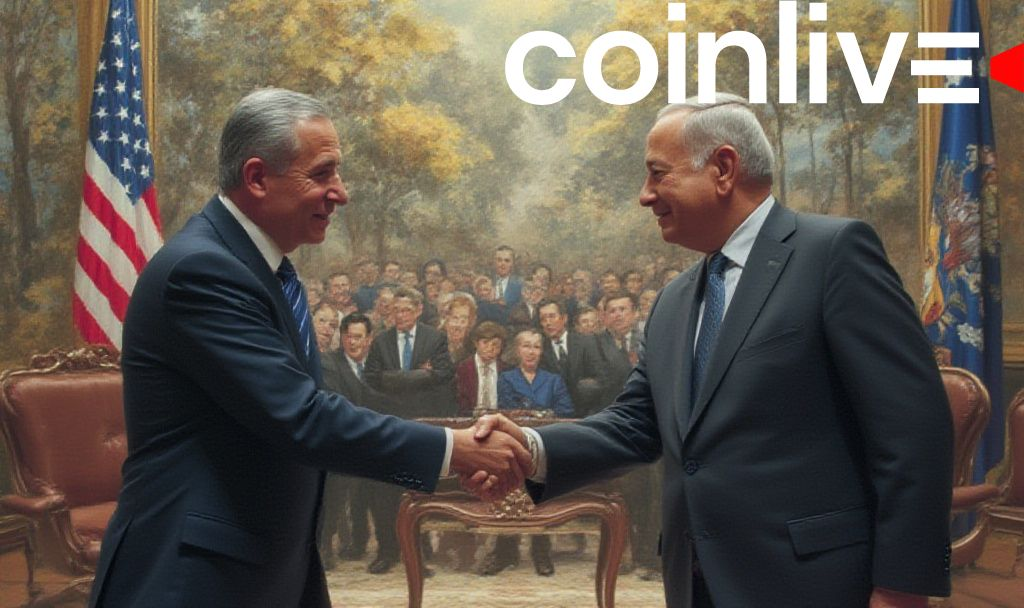
Israel and the United States are close to finalizing a new trade agreement, confirmed by official statements from both nations’ leaders as of April 2025.
Israel‘s leadership, including Prime Minister Benjamin Netanyahu and Finance Minister Bezalel Smotrich, confirmed the cancellation of US import tariffs. This decision supports economic liberalization and Israeli-US economic cooperation. Netanyahu emphasized the importance of this move, stating,


“Cancelling the customs duties on American goods is an additional step in the policy that my governments have led for a decade in opening up the market to competition, introducing variety to the economy and lowering the cost of living.”
The trade negotiation adjustments involve key figures: Netanyahu, Smotrich, and US President Trump. Israel has swiftly acted by removing US import tariffs, fostering a more competitive market environment. Further insights on the U.S.-Israel trade dynamics can be found here.
The crypto market is experiencing bullish sentiment upon news of the trade agreement. While token-specific reactions remain undocumented, there’s widespread speculation about broader market benefits.
Financial implications include potential shifts in export strategies and reduced costs of living in Israel. Political considerations emphasize maintaining a robust alliance with the US. For an overview of the broader U.S.-Israel Free Trade Agreement, see the document provided by USTR.
Market analysts observe that historical trade events have rarely triggered sustained cryptocurrency volatility unless connected to regulatory shifts. Current reactions align with speculative investor behavior rather than deep-seated market movements.
Long-term, the agreement may influence financial, regulatory, and technological paths, supporting both nations’ strategic interests. Historical data suggests gradual impacts rather than immediate drastic changes in market or regulatory environments. For detailed insights into U.S.-Israel relations, see this analysis.