


Senator Lummis Pushes Bitcoin Act Amidst National Debt Crisis
Senator Cynthia Lummis has reintroduced the Bitcoin Act to address the United States’ debt by proposing a Strategic Bitcoin Reserve.
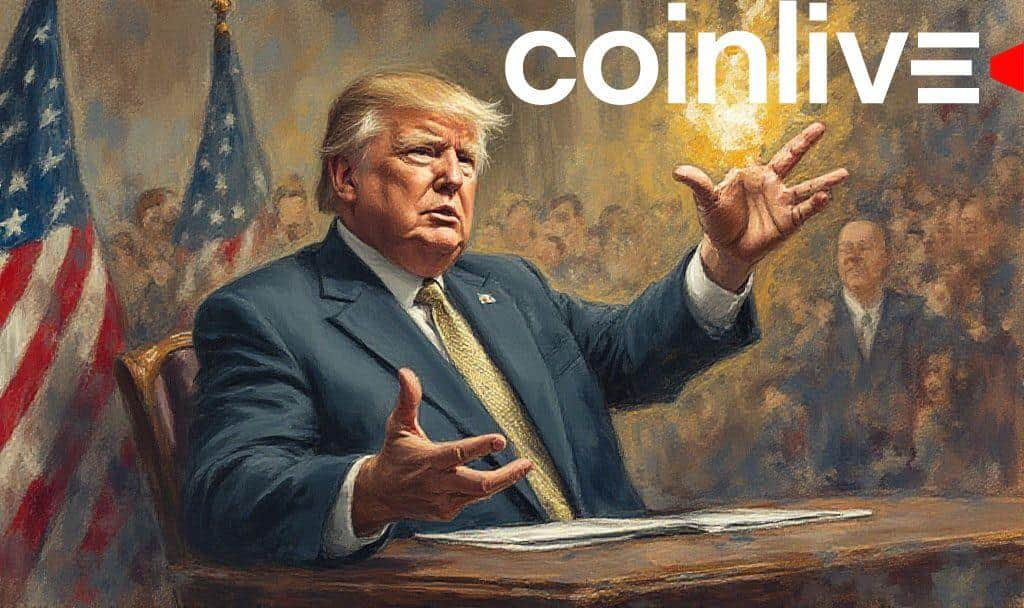
- The Bitcoin Act could transform U.S. economic strategy.
- Senator Lummis leads this legislative push.
- Potentially impacts Bitcoin market and U.S. economy.
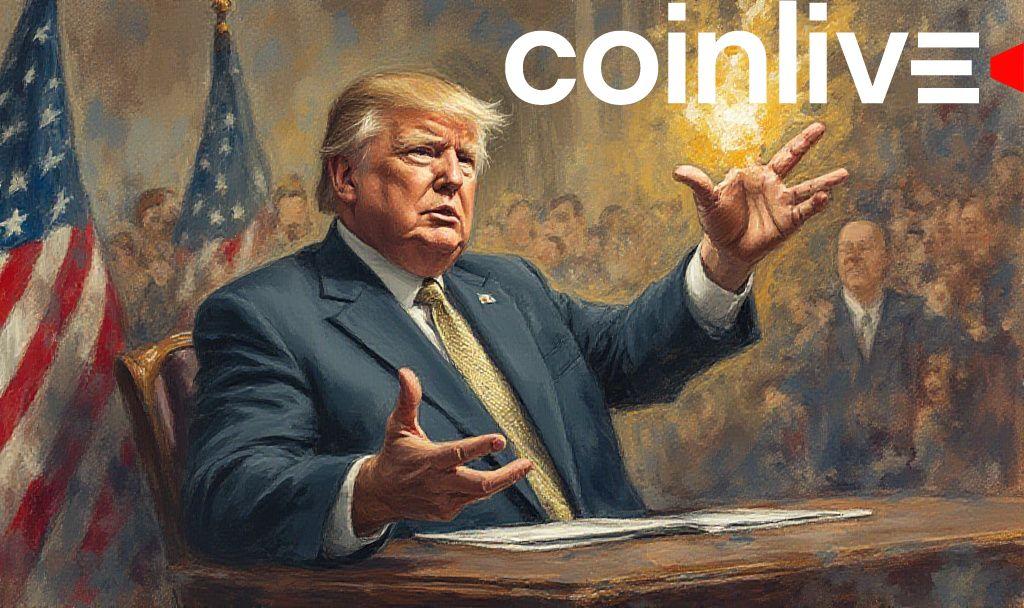
Lede
Senator Cynthia Lummis has reintroduced the Bitcoin Act to address the United States’ $36 trillion debt. This legislative proposal aims to establish a Strategic Bitcoin Reserve, gaining support from Congressman Nick Begich and endorsement from former President Trump.
Nutgraph
The proposal’s significance lies in its potential to offer a new economic framework, possibly affecting market dynamics as Bitcoin is positioned as a reserve asset. It signifies a legislative shift with widespread implications.
Lummis Spearheads Legislative Push
The Bitcoin Act, proposed by Senator Lummis, seeks to formally integrate Bitcoin as part of the U.S. economic strategy. Endorsed by President Trump, the Act aims to counterbalance the nation’s substantial debt through Bitcoin’s inclusion as a reserve value. Cynthia Lummis and Congressman Nick Begich play pivotal roles in advancing this legislation. Lummis believes the Bitcoin Act represents America’s financial innovation, underscoring its timing amidst critical economic concerns.
“Today, I am proud to reintroduce landmark legislation that will codify President Trump’s bold vision to establish the United States Strategic Bitcoin Reserve and strengthening our nation’s economic foundation for generations to come… Bitcoin is not simply a technological opportunity, but a national imperative for America’s continued financial leadership in the 21st century…” — Senator Cynthia Lummis
Economic Implications
Senator Lummis warns of economic downfall without strategic measures, suggesting Bitcoin as a potential hedge against national debt. Market participants are closely watching for regulatory responses and economic impacts on Bitcoin value. Bitcoin’s inclusion in this act may influence global markets and regulatory frameworks, factoring into America’s financial leadership strategies.
Insights from this legislative move suggest potential shifts in U.S. economic policy and global cryptocurrency markets. Historical comparisons, such as El Salvador’s Bitcoin adoption, indicate possible price and sentiment effects. The consensus among advocates points to Bitcoin’s evolving role in U.S. fiscal policy.
More From Crypto News

Coinbase Denies Breach After Amplitude Incident Exposes Customer Data
Coinbase has denied that its own systems were breached after a security incident at third-party analytics provider Amplitude exposed customer data linked to the...

Polymarket Updates 5-Minute Bitcoin Contract Pricing
Polymarket is pricing its five-minute Bitcoin contracts using a 60-second average rather than a single point-in-time snapshot, according to the platform’s publi...

Intel, Oracle and IBM Object to OKX–ICE Tokenized Stock Plans
Intel, Oracle, IBM and IonQ have formally objected to the OKX–ICE tokenized stock plans, according to an October 26 public notice published by OKXICE — the join...

Ark Invest Buys Circle Shares, Sells Bitcoin ETF as BTC Falls
The two moves point in opposite directions within the crypto-linked investment space. Ark added exposure to Circle, the USD Coin issuer and stablecoin infrastru...

Ripple Approved to Operate as a U.S. National Trust Bank
A national trust bank is a federally chartered institution authorized to provide trust and fiduciary services, including asset custody, without engaging in comm...

Ethereum Foundation’s Latest ETH Sale Draws Criticism
The Ethereum Foundation has drawn fresh criticism following its latest sale of ETH, with observers describing the timing and communication around the transactio...
