


MANTRA Implements Workforce Reductions Amid Market Challenges
MANTRA Chain faces financial strain as it announces layoffs across multiple departments. Key areas affected include business and marketing, aimed at improving c...
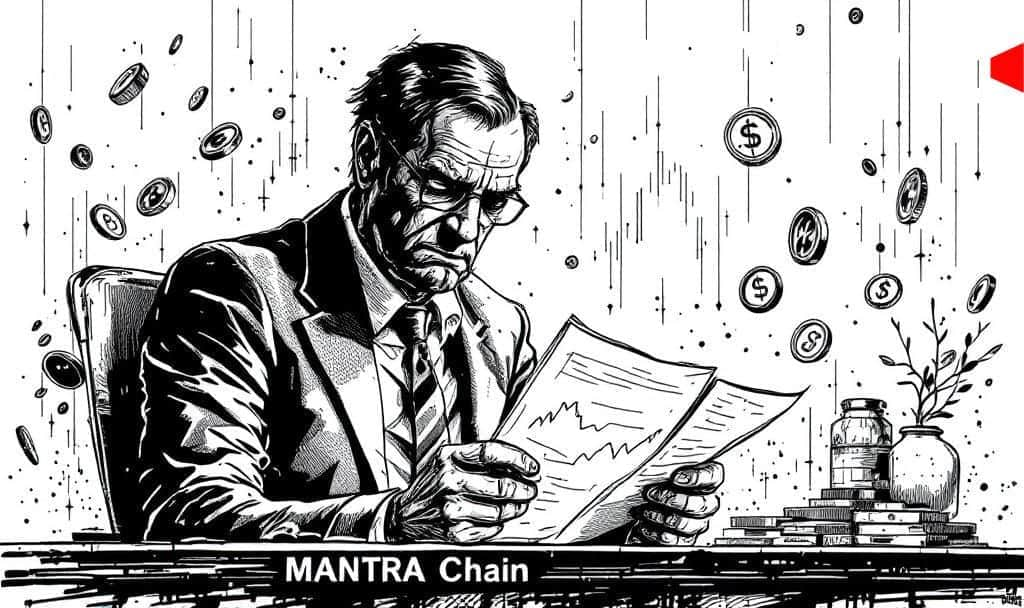
- MANTRA Chain announces layoffs across departments amid financial strain.
- Reductions affect business and marketing to improve capital efficiency.
- OM token crash exacerbates the challenging market conditions.
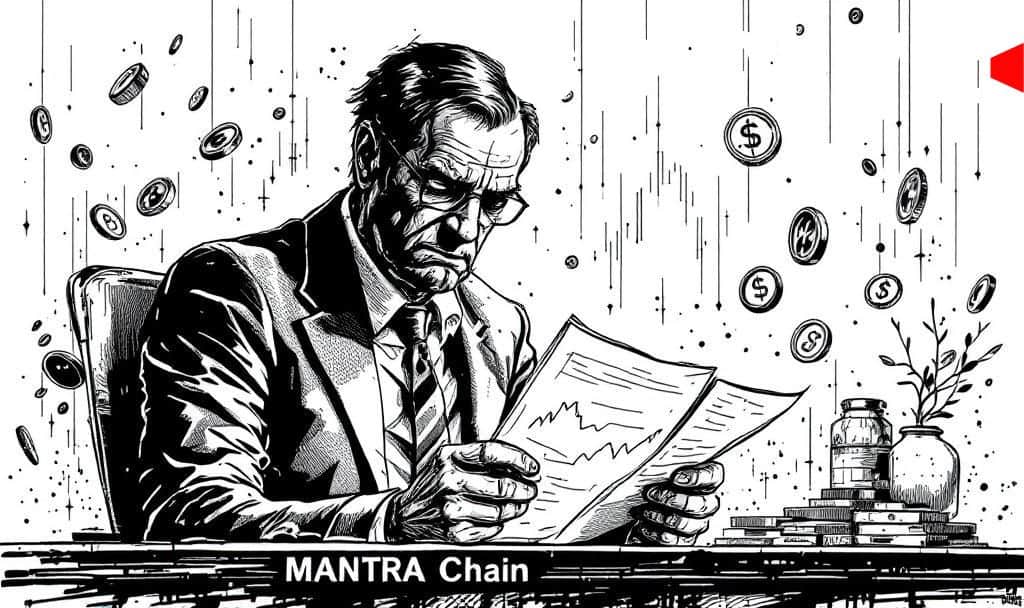
MANTRA Chain, led by CEO John Patrick Mullin, announced layoffs on January 14, 2026, affecting multiple departments to enhance capital efficiency amid a challenging market environment.
These layoffs reflect financial pressures following the OM token crash and highlight the company’s strategic shift toward its RWA-focused blockchain platform.
MANTRA Chain, focused on real-world asset tokenization, announced layoffs impacting business development, marketing, and HR. This decision followed a market downturn and OM token crash, as stated by CEO John Patrick Mullin.
John Patrick Mullin communicated the restructuring through X. The focus remains on increasing capital efficiency in light of the April 2025 OM token selloff and ongoing market challenges, forcing MANTRA to realign its resources.
Layoffs at MANTRA affect employees across several sectors, highlighting the challenging market realities experienced by similar crypto enterprises. These cuts mirror broader industry patterns where job reductions attempt to realign costs with market expectations.
The financial turbulence faced by MANTRA results in shifting attention to its RWA ecosystem development, including the mantraUSD stablecoin. The organization adjusts to remain competitively viable during sustained downturns, indicative of the sector’s volatile landscape.
MANTRA’s workforce changes aim to safeguard the company amid worsening market trends. Employee layoffs affect morale but are presented as critical to the firm’s survival strategy, driving a refocus on innovation and efficiency.
Potential financial impacts include the depreciation of the OM token, partially attributed to the ERC-20 to native token migration. Analysts highlight regulatory watchfulness and technological evolution as areas for potential sector recovery, focusing on the firm’s ability to navigate ongoing pressures.
“The incredibly unfortunate and frankly unfair events of April 2025, the prolonged market downturn, increased competition, and shifting market dynamics have made our cost structure unsustainable relative to our near-term realities.”
More From Crypto News

Crypto Market Cap Rose 39% in Q3, Ending Losing Streak: Report
The global crypto market capitalization posted a 39% gain in Q3, snapping a three-consecutive-quarter losing streak, according to a CoinGecko industry report. T...

Ledger Implant Thieves Steal $4.8M Bitcoin From Task Scam Operator
Blockchain analytics firm Chainalysis has identified one of the largest victims of the Ledger hardware-wallet implant theft as a task scam operator, who lost mo...

Zcash NU7 Rules Would Block Sprout Pool Spending
Zcash’s proposed NU7 network upgrade would permanently block spending from the Sprout pool by invalidating version 4 transactions, the only transaction format t...

Aave Ethereum V3 Umbrella Stakes Fall 9.67% to $116.09M
Aave Umbrella is the protocol’s safety backstop mechanism on Ethereum V3, where participants stake assets to cover potential shortfalls. The tracked stake figur...

SEC Approves Cboe Binary Options Rules for Coinbase and MARA Metrics
The SEC has approved rule changes submitted by Cboe, clearing the regulatory path for a new class of binary options contracts linked to business metrics of Coin...

Bitcoin ETFs vs. Ethereum ETFs: Weekly Outflow Comparison
Net flow figures aggregate all fund-level movements into a single daily number. A negative weekly total means redemptions exceeded creations across all funds th...
