


Senator Schiff Proposes COIN Act Limiting Presidential Crypto Activities
Senator Adam Schiff introduces COIN Act to restrict U.S. leaders’ crypto engagements, targeting ethical concerns.
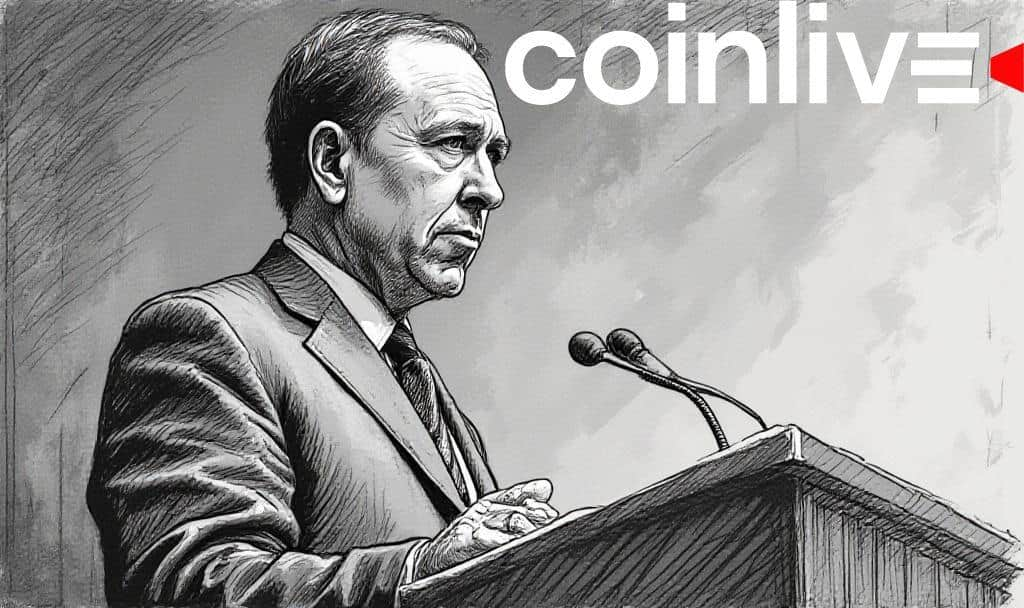
- Main event focuses on legislative restrictions on political figures.
- Legislation aims to raise ethical standards in digital assets.
- Potential market impact on high-profile crypto endorsements.
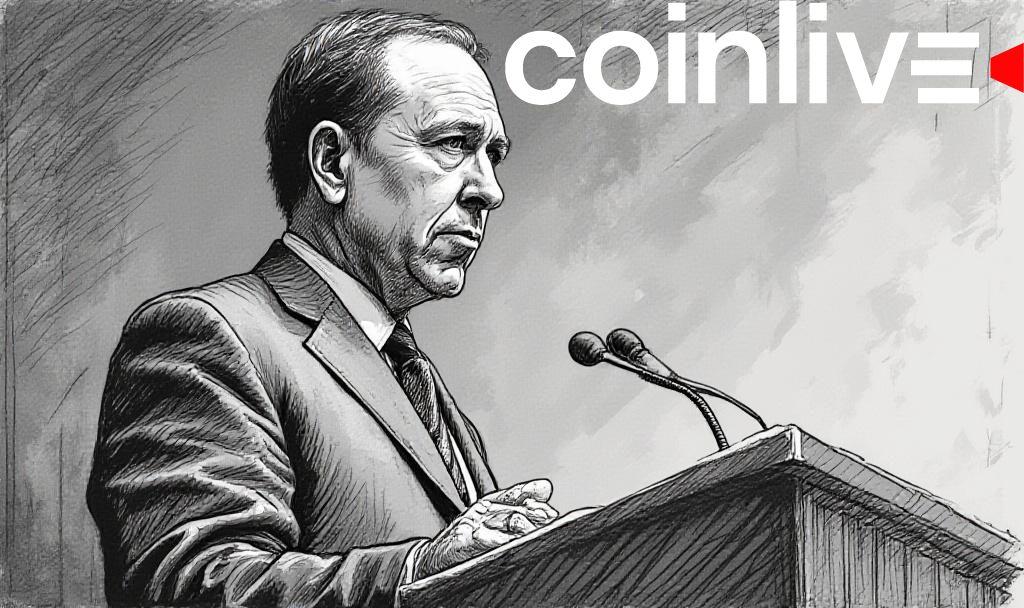
Senator Adam Schiff has introduced the COIN Act to ban the U.S. President, Vice President, and their immediate families from issuing, sponsoring, or endorsing digital assets, aimed at preventing conflicts of interest.
Schiff’s proposal is significant for its potential to deter high-level officials from engaging in crypto activities that may conflict with public interest.
Senator Adam Schiff is advancing the COIN Act to address ethical concerns surrounding political figures and cryptocurrency. This move directly targets U.S. leaders and follows controversial crypto involvements by high-profile figures. Nine Senate Democrats support this initiative.
The COIN Act primarily aims to restrict Presidents, Vice Presidents, and their families from crypto endorsements. This legislation marks a policy shift from previous transparency-focused measures, reflecting growing concern over conflicts of interest in public office related to digital assets.
Immediate effects include increased scrutiny on political endorsements of digital assets and potential deterrence for figures like Donald Trump, who earned significantly from crypto ventures. The legislation targets ethical conduct rather than financial redistribution.
“We must avoid conflicts of interest in public office,” emphasized Senator Adam Schiff, headlining the ethical necessity of the COIN Act.
This proposal could influence financial disclosures and ethical standards among U.S. leaders. It emphasizes transparency, with required disclosures for digital asset holdings above $1,000. There’s a possibility for impacts on stablecoins and memecoins linked to public officials.
Potential outcomes may include tighter regulations on public officials’ digital asset involvement, particularly for stablecoins. Past efforts have initiated broader conversations on accountability, but enforcement will ultimately determine market impacts.
More From Crypto News

Bitcoin Refuses to Break: @jvisserlabs on Market Resilience
Bitcoin is holding where many expected it to crack. Crypto analyst @jvisserlabs flagged the pattern on X, pointing out that Bitcoin’s repeated refusal to break...

Ethereum Exchange Withdrawals Hit Four-Month High: Santiment
Ethereum exchanges recorded a one-day net withdrawal of 169,770 ETH, the largest single-day outflow in more than four months, on-chain analytics firm Santiment...

Bitcoin ETFs See $773M Two-Day Outflows as BTC Tests $80K
Bitcoin spot ETFs recorded a combined $773 million in net outflows across two consecutive trading sessions, coinciding with Bitcoin probing the $80,000 price le...

Initia Halts After Hacker Mints $2.7M in Crypto
A reported exploit on the Initia blockchain has allegedly allowed an attacker to mint approximately $2. 7 million in unauthorized crypto, forcing the network to...

BlackRock Bitcoin ETF Caps Gains to Cushion Losses
BlackRock has filed for a Bitcoin ETF that caps how much investors can gain in exchange for cushioning a portion of potential losses, a structure that trades Bi...

Coinbase Halts GYEN Transfers, Plans USDC Balance Conversion
Coinbase will halt transfers of the yen-pegged stablecoin GYEN on Oct. 26 and plans to convert remaining customer balances into USDC at market rates, according...
