


South Korea Supreme Court Confirms Bitcoin Seizure as Legal
South Korea’s Supreme Court rules that Bitcoin held on centralized exchanges is lawfully seizable, impacting asset seizure rules and anti-money laundering capab...
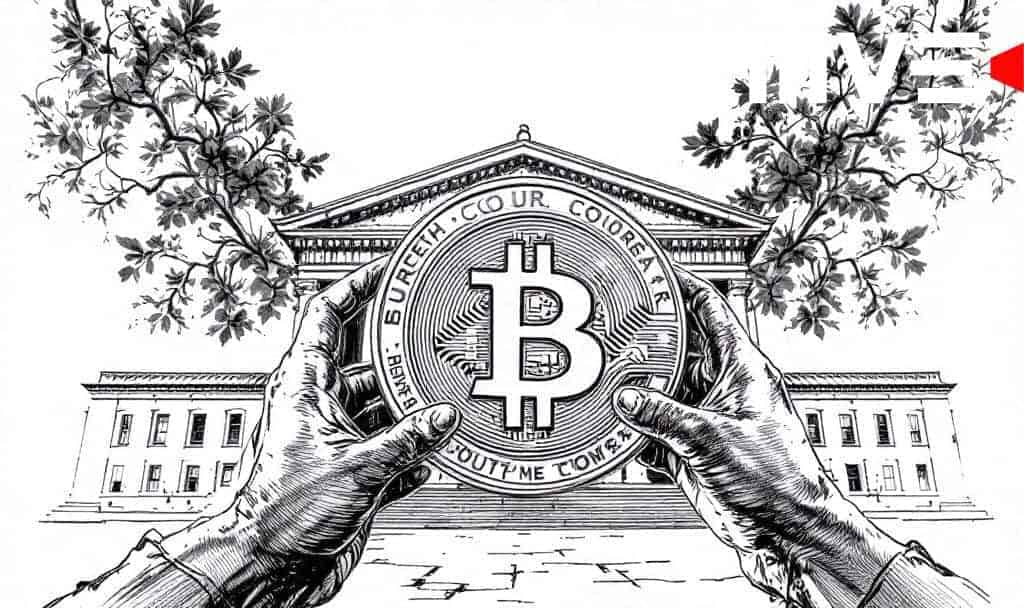
- Korean Supreme Court confirms Bitcoin on exchanges as seizable.
- Decision impacts centralized exchange asset seizure rules.
- Strengthens powers against financial crimes involving Bitcoin.
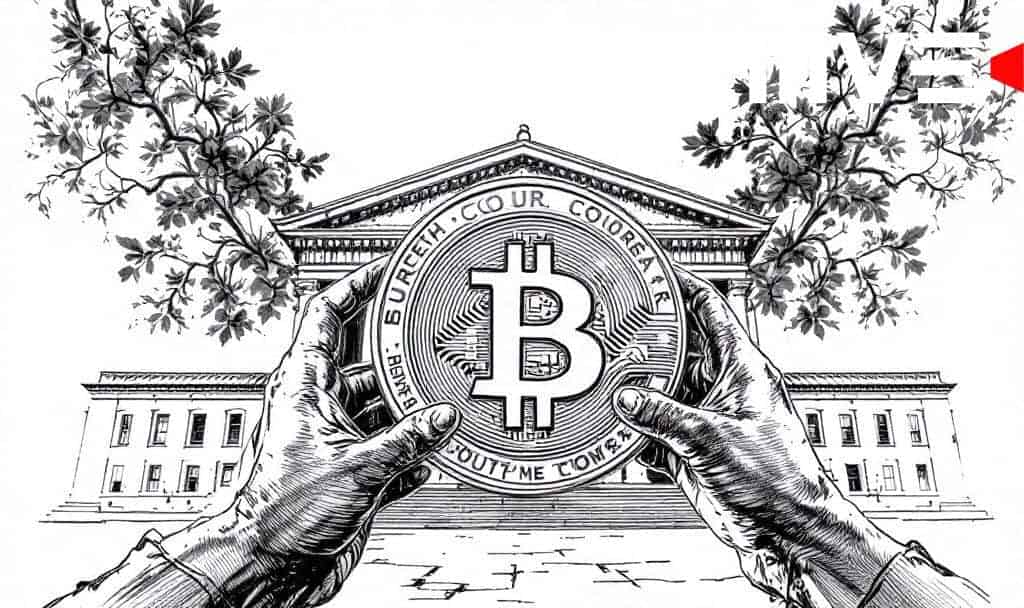
South Korea’s Supreme Court ruled for the first time that Bitcoin held on centralized exchanges is seizable property under the Criminal Procedure Act, reported on January 8, 2026.
This decision strengthens legal enforcement on crypto exchanges in Korea, affecting Bitcoin custody and signaling potential implications for similar virtual assets.
In a landmark ruling, South Korea’s Supreme Court has decreed that Bitcoin held on centralized exchanges can be lawfully seized. The decision stems from a case regarding seizure of 55.6 BTC linked to a money laundering investigation.
The ruling eliminates legal doubts about seizure powers of law enforcement. Prosecutors can now access assets held on Korean exchanges, enhancing the capability against AML and financial crimes utilizing cryptocurrencies.
Justice Kwon Young-jun presides over the case involving Mr. A. This sets a new precedent, further clarifying legal perspectives toward Bitcoin and reinforcing its definition as seizable electronic information. South Korea’s court permits seizure of exchange-held Bitcoin assets.
“Bitcoin, as an electronic token with the ability to be independently managed, traded, and substantially controlled in terms of economic value, is a seizure target of courts or investigative agencies.” – Justice Kwon Young-jun, Supreme Court of Korea The Chosun Ilbo
This decision not only affects Bitcoin but also projects potential broader impacts on similar cryptocurrencies. Korean regulators may adopt more stringent measures on virtual asset exchanges aligning them with traditional financial market standards.
While the ruling specifically targets Bitcoin, it implicitly signals possible applications to similar virtual assets. Market analysts foresee shifts in custody strategies and advise watch on regulatory trends.
The judicial confirmation bolsters South Korea’s financial-crime enforcement framework. As AML pressures increase, there may be shifts in user behavior, possibly altering preferences between centralized exchanges and self-custody options.
More From Crypto News

Crypto Market Cap Rose 39% in Q3, Ending Losing Streak: Report
The global crypto market capitalization posted a 39% gain in Q3, snapping a three-consecutive-quarter losing streak, according to a CoinGecko industry report. T...

Ledger Implant Thieves Steal $4.8M Bitcoin From Task Scam Operator
Blockchain analytics firm Chainalysis has identified one of the largest victims of the Ledger hardware-wallet implant theft as a task scam operator, who lost mo...

Zcash NU7 Rules Would Block Sprout Pool Spending
Zcash’s proposed NU7 network upgrade would permanently block spending from the Sprout pool by invalidating version 4 transactions, the only transaction format t...

Aave Ethereum V3 Umbrella Stakes Fall 9.67% to $116.09M
Aave Umbrella is the protocol’s safety backstop mechanism on Ethereum V3, where participants stake assets to cover potential shortfalls. The tracked stake figur...

SEC Approves Cboe Binary Options Rules for Coinbase and MARA Metrics
The SEC has approved rule changes submitted by Cboe, clearing the regulatory path for a new class of binary options contracts linked to business metrics of Coin...

Bitcoin ETFs vs. Ethereum ETFs: Weekly Outflow Comparison
Net flow figures aggregate all fund-level movements into a single daily number. A negative weekly total means redemptions exceeded creations across all funds th...
