
- Stablecoin market reaches $284.6B, impacting financial shifts globally.
- USDT and USDC lead with significant market cap shares.
- Regulatory attention grows with increasing institutional adoption.
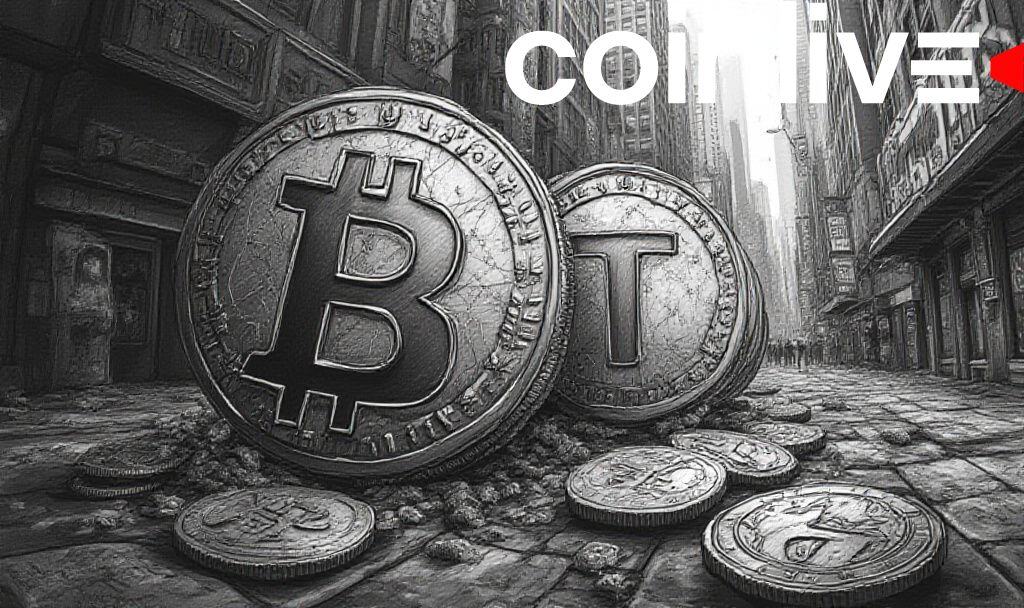
Stablecoin usage has surged, reaching nearly $100 billion daily, driven by major issuers like Tether and Circle, as recognized by leading financial institutions globally.
This surge indicates stablecoins are crucial in blockchain finance, with market activity signaling broad adoption and highlighting roles in payment systems and treasury management.


The stablecoin market is on a notable rise, with daily volumes aiming for $250 billion. Major players like Tether and Circle drive this surge, marking substantial financial shifts.
Industry leaders Jeremy Allaire and Paolo Ardoino have emphasized stablecoins’ role in global asset movement. Their organizations, Circle and Tether, are key contributors to the blockchain finance ecosystem.
As stablecoin adoption increases, traditional financial industries and decentralized finance are affected. This surge encourages wider institutional participation and increases market liquidity, impacting major exchanges and protocols.
The financial arena sees changing dynamics with potential regulatory scrutiny. Regulatory bodies emphasize transparency and secure reserve management, as stablecoins integrate into mainstream finance.
The stablecoin sector’s rapid rise may reshape fiscal landscapes, with finance and technology sectors undergoing structural changes. Institutions must adapt to new technological conditions and consider these emerging financial dynamics.
Experts predict further advancements in stablecoin frameworks, integrating more complex systems within the digital economy. Historical precedents suggest cautious progression, driven by increased market stability and infrastructure support. As noted by J.P. Morgan Research, “A more realistic scenario is that the market [stablecoins] could grow two to three times from where we are right now in the next couple of years, which is equivalent to $500 to $750 billion.” source