


Storm Trial Shows Impact on Privacy in Crypto
The trial of Roman Storm, co-founder of Tornado Cash, underscores privacy challenges in crypto regulation and market reactions.
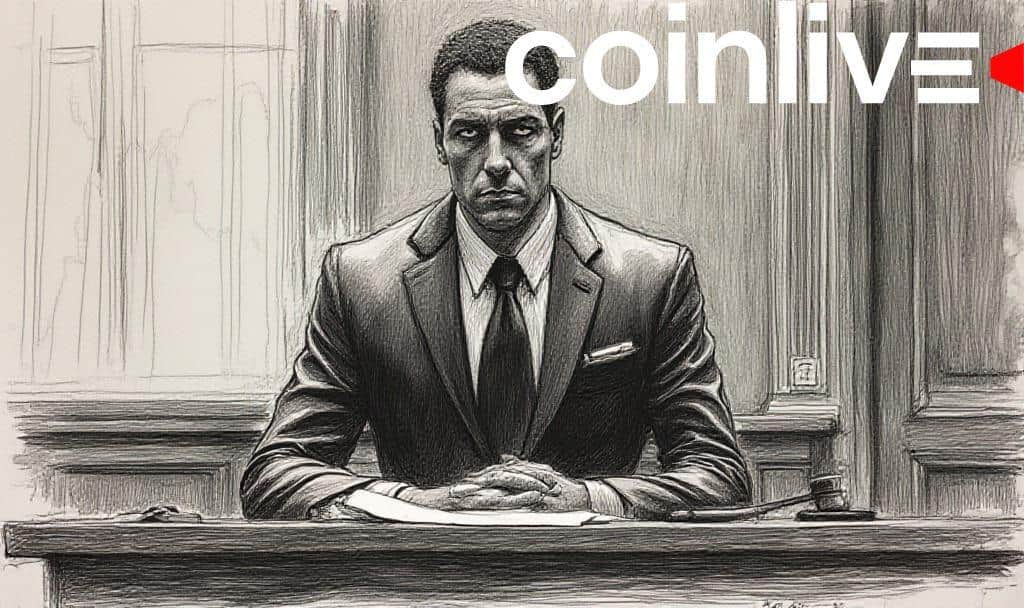
- Storm’s trial highlights privacy challenges in crypto regulation.
- Ethereum and TORN tokens face uncertain market reactions.
- Privacy protocols may experience long-term regulatory impacts.

Roman Storm, co-founder of Tornado Cash, is standing trial in New York amid significant market attention.

The trial could reshape privacy norms in cryptocurrency, impacting Ethereum sentiment and privacy tool development within the DeFi space.
Roman Storm, co-founder of Tornado Cash, currently stands trial in New York. Privacy advocate and developer, Storm is accused of enabling money laundering through the Tornado Cash protocol, intensifying concerns over privacy-focused crypto regulations.
The trial involves Roman Storm and Roman Semenov, with Semenov remaining at large in Russia. Judge Katherine Polk Failla presides, while defense attorneys Keri Axel and Brian Klein represent Storm, who claims the prosecution misunderstands his technological contributions.
Market sentiment is affected, with Ethereum and privacy protocols experiencing heightened scrutiny. Tornado Cash’s frozen developer treasury and depleted TORN liquidity on exchanges reflect current financial constraints. No new crypto inflows align with trial proceedings.
“I maintain my innocence and believe in privacy as a basic human right. I trust the legal process will see the difference between building tools and criminal intent.”
(source: Twitter @rstormsf)
Financially, the trial affects Tornado Cash’s governance token, TORN, witnessing significant market de-listing and reduced integration with major DeFi platforms. These actions have constrained TORN liquidity and governance activity.
The trial potentially sets legal precedents impacting open-source developers. It underscores risks associated with developing privacy protocols, encouraging dialogue on code-as-speech protections in the crypto arena.
Historical precedents, such as OFAC’s previous sanctions on Tornado Cash, highlight potential regulatory outcomes. These influences extend to Ethereum, as privacy debates persist, affecting long-term DeFi stability and innovation.
More From Crypto News

CZ Says AI Hacking Fears Miss a Bigger Crypto Risk
Binance founder Changpeng Zhao has pushed back on a growing narrative in crypto security circles, arguing that fears about AI-powered hacking may be distracting...

Bitcoin Eyes $85K: What the Charts Signal Next
Bitcoin is pressing toward the $85,000 area, a level that chart-watchers have flagged as the most closely monitored resistance on the current advance. Whether t...

CoinDCX $16M Hack Claims Challenged by Blockchain Investigators
Blockchain investigators are publicly accusing Indian crypto exchange CoinDCX of misrepresenting details of a reported $16 million hack, raising questions about...

Bitcoin ‘Goes to Zero’ After a Hack, Chamath Predicts
Venture capitalist Chamath Palihapitiya has predicted that Bitcoin could go to zero in the wake of a major hack, framing a credible security failure as the scen...

Grayscale Lets Eligible Investors Swap Tokens for ETF Shares
Grayscale says the new mechanism allows qualifying investors to tender cryptocurrency tokens and receive corresponding fund shares in return, rather than purcha...

Treasury GENIUS Act Stablecoin Rules Back US Leadership
The US Treasury has stated that finalized rules under the GENIUS Act stablecoin framework are designed to support American leadership in digital finance, markin...
