


Tether unveils QVAC as Llama 3.2 runs on-device
Tether QVAC, local AI inference, data sovereignty frame the demo: Llama 3.2 runs on-device for privacy-by-design; experts cite security and compliance gaps.
What Tether’s QVAC demo shows and why it matters
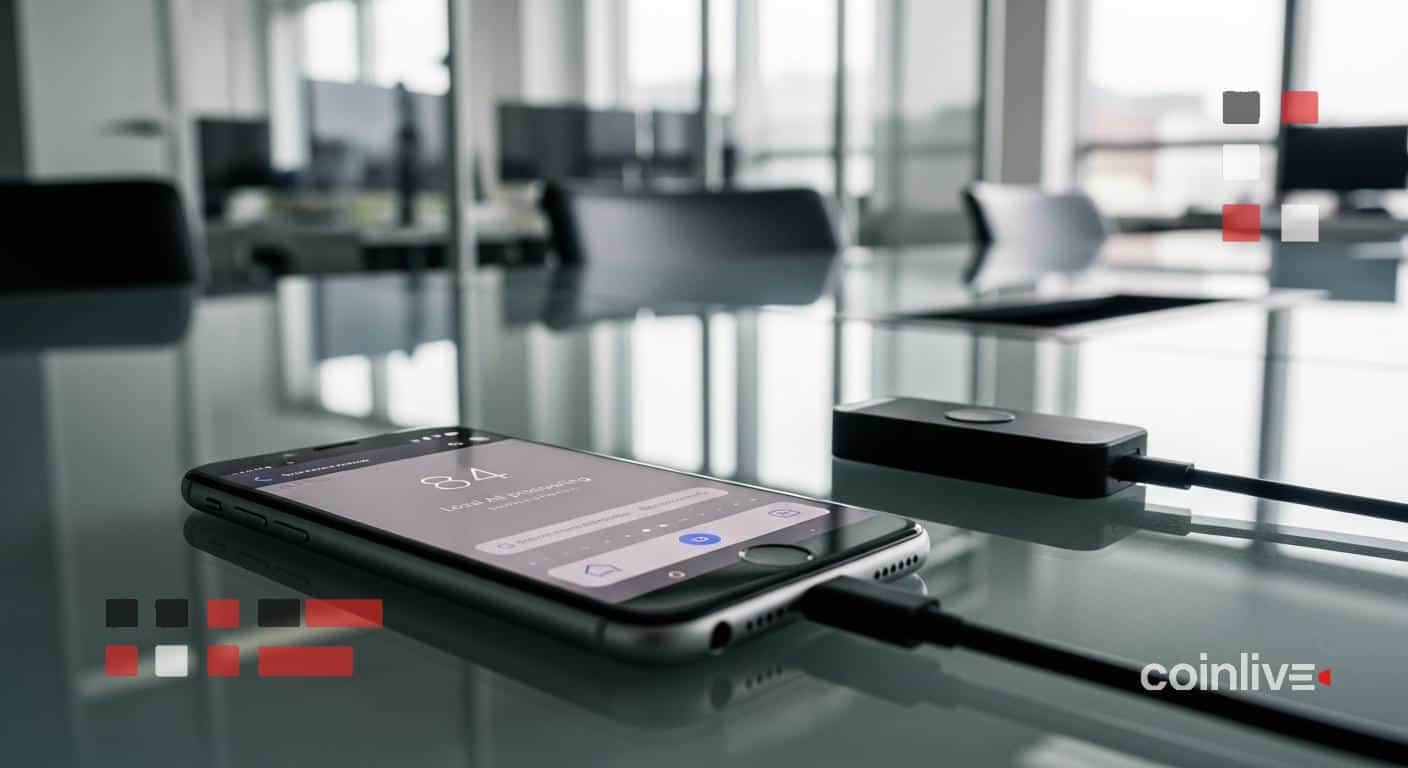
Tether CEO Paolo Ardoino posted a demo of QVAC, an in‑development AI assistant, highlighting how the system runs directly on a user’s device rather than in the cloud. As reported by Blockchain.News, the demo showcased high‑speed local inference on a mobile device using Llama 3.2 with roughly 1 billion parameters, underscoring Tether’s push into on‑device AI.
According to Forbes, QVAC is framed as part of a broader effort to build privacy‑preserving, decentralized AI that can operate offline and on lower‑end hardware. That positioning matters because local AI inference can minimize data exposure to centralized servers, a core concern in consumer and health‑related applications.
Decrypt has described the related QVAC Health effort as storing biometric and activity data locally on the device, while also noting unanswered questions about how these apps fit into a durable business model. If implemented as described, this architecture could shift user control toward device‑level data sovereignty rather than cloud‑centric storage.
Immediate takeaways from the on-device QVAC local inference
The demo emphasizes practicality: running a compact model locally can reduce latency, enable offline use, and avoid third‑party data collection. Coverage of the technical angle also notes open questions about whether performance, power consumption, and model size trade‑offs will hold up across a wide range of consumer devices over time.
Independent commentary has situated QVAC within a broader privacy and platform‑power debate. “A direct attack on Big Tech’s data monopoly,” said Marc Baumann, a startup advisor commenting on QVAC Health’s positioning.
From a compliance perspective, local processing of wellness or biometric data intersects with established privacy regimes such as the EU’s GDPR and U.S. health‑privacy laws like HIPAA. Decrypt’s reporting that data are stored locally suggests fewer routine data transfers to external processors, although practical compliance will still hinge on device‑level security, consent flows, and update integrity.
Trust and governance will likely be scrutinized given Tether’s track record in adjacent domains. According to TRM Labs, Tether was the most used stablecoin for criminal activity in 2023, a data point that may inform how privacy‑conscious users weigh new services. Separately, the Commodity Futures Trading Commission has reported that Tether’s fiat reserves matched circulating tokens on only 27.6% of days during a historical review period, illustrating why some observers may seek independent technical audits for any new product stack.
How QVAC works: local AI inference and data sovereignty
QVAC’s core design, as presented in the demo, centers on local AI inference: computations happen on the user’s hardware, and the model, such as Llama 3.2 in the showcased configuration, responds without defaulting to cloud services. In principle, this reduces reliance on centralized data pipelines and limits routine transmission of personal information to third parties.
Data sovereignty in this context means user data, especially sensitive categories like activity or biometrics referenced in coverage of QVAC Health, stays on the device by default. That can lower exposure to mass data aggregation but shifts the security burden to endpoints, where risks include device compromise, insecure update channels, and potential model‑integrity attacks.
If Tether sustains performant local inference across diverse hardware, the immediate benefits could include faster responses, offline continuity, and a smaller cloud footprint. The trade‑offs are practical: constrained memory and compute can cap model size and capability, and ongoing safeguards will be necessary to align device‑level processing with privacy and health‑data obligations over time.
| Disclaimer: The information provided in this article is for informational purposes only and does not constitute financial, investment, legal, or trading advice. Cryptocurrency markets are highly volatile and involve risk. Readers should conduct their own research and consult with a qualified professional before making any investment decisions. The publisher is not responsible for any losses incurred as a result of reliance on the information contained herein. |
More From Crypto News

Aave Ethereum V3 Umbrella Stakes Fall 9.67% to $116.09M
Aave Umbrella is the protocol’s safety backstop mechanism on Ethereum V3, where participants stake assets to cover potential shortfalls. The tracked stake figur...

SEC Approves Cboe Binary Options Rules for Coinbase and MARA Metrics
The SEC has approved rule changes submitted by Cboe, clearing the regulatory path for a new class of binary options contracts linked to business metrics of Coin...

Bitcoin ETFs vs. Ethereum ETFs: Weekly Outflow Comparison
Net flow figures aggregate all fund-level movements into a single daily number. A negative weekly total means redemptions exceeded creations across all funds th...

BlockSec: $387.5M Stolen From Bitget, Under $1M Frozen
According to BlockSec’s fund-flow analysis , the reported loss was revised upward from an initial estimate of roughly $351. 6 million to approximately $387.

Compound Launches on Unichain With New Collateral
Compound Finance has deployed on Unichain, adding support for five collateral assets: wstETH, weETH, ezETH, BTC and UNI.

Bitcoin, Ether and XRP Rebound After Flash Crash
Bitcoin, Ether, and XRP staged a recovery after a sharp flash crash sent prices across the crypto market lower, with all three assets rebounding from their intr...
