


Tether Challenges Circle with U.S. Stablecoin Launch
Tether’s USAT stablecoin launch presents a direct challenge to Circle’s USDC in the $650B U.S. market.
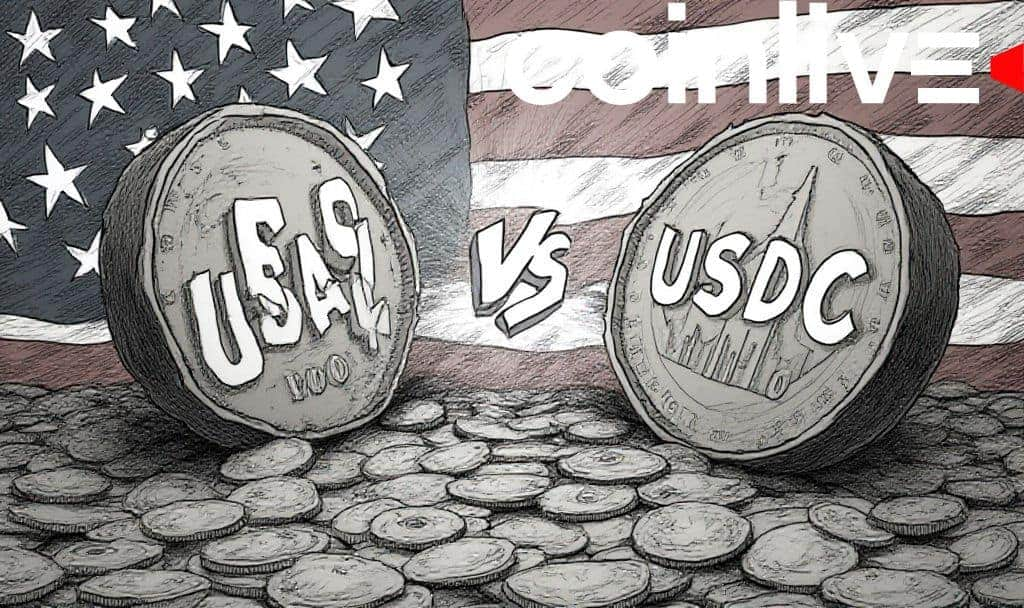
- Tether launches USAT to compete with Circle’s USDC.
- USAT aims for U.S. regulation and market share.
- Shifts in liquidity and compliance could occur.
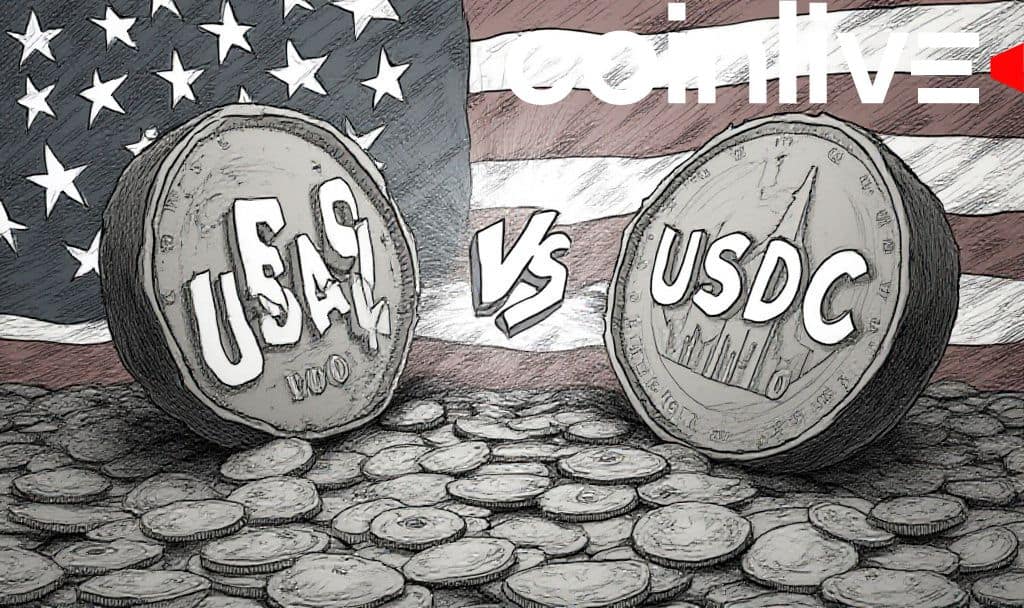
Tether has launched USAT, a U.S.-regulated stablecoin, to challenge Circle’s USDC in the growing $650 billion U.S. institutional stablecoin market.
This move could shift institutional trust, highlight new compliance standards, and influence trends in the stablecoin arena.
Main Content
Tether’s launch of USAT, a U.S.-regulated stablecoin, presents a direct competition against Circle’s USDC. The $650 billion U.S. stablecoin market is at stake as compliance and trust dynamics shift.
Tether’s CEO Paolo Ardoino and Bo Hines, newly appointed CEO of Tether’s U.S. subsidiary, are leading the charge. USAT aims to incorporate daily reserve attestations and use Anchorage Digital Bank and Cantor Fitzgerald for security.
“Tether invented the stablecoin. Now we’re bringing it home 🇺🇸”
The launch affects both local and institutional markets. USDT’s market share is already diminished, dropping to 58% in response to regulatory and product innovations. Key market players include Bank of America, Ripple, and Hyperliquid.
Tether reported $13 billion in gross profits for 2024, dwarfing Circle’s earnings. The GENIUS Act mandates fully reserved, U.S.-regulated stablecoin issuance, making regulatory compliance a critical factor in future market decisions.
Circle’s transparency and treasury-backed model continue to appeal to compliance-focused investors. However, Tether’s onshore pivot offers new agility in a competitive space. Institutional choices reflect risk related to reserve models and regulatory outcomes.
Future impacts include liquidity shifts and potential changes in institutional risk frameworks. Other stablecoins, governance tokens, and DeFi platforms will be observers, indicating shifts might influence regulatory recalibrations in reserve-disclosure standards.
More From Crypto News

FINMA Approves Swiss Retail Bitcoin ETF Diversification Exemption
Switzerland’s financial regulator FINMA has approved a retail Bitcoin ETF that includes a diversification exemption, allowing the fund to hold concentrated Bitc...

Hyperliquid Policy Center Urges SEC to Revise Crypto Rules
The Hyperliquid Policy Center, the advocacy arm focused on regulatory engagement for the Hyperliquid ecosystem, submitted its recommendations targeting the SEC’...

U.S. Crypto Economy Shrinks While Canada’s Grows in 2026
A divergence in crypto market activity between the United States and Canada has drawn attention in 2026, with data cited by analysts pointing to contraction in...

Bitcoin’s Largest Holders Added Nearly 89,000 BTC in One Month
The figure covers wallets that rank among Bitcoin’s top holders by balance, and was reported by CryptoPotato . A one-month swing of that scale reflects a sustai...

BlackRock Files With SEC for Buffered Bitcoin ETF
The filing marks a proposal stage, not an approval or product launch. The SEC must review and act on the submission before any fund becomes available to investo...

NGRAVE: Third-Party Service Compromise Triggered LIQUID Phishing Alerts
NGRAVE said the phishing alerts reaching LIQUID app users were made possible by a breach of an external notification service the company relied on, per reportin...
