


Treasuries hold as Fed independence debate meets Trump push
We explain Federal Reserve independence, inflation expectations, global interest rate comparison as Trump urges lowest rates, citing real vs nominal risks.
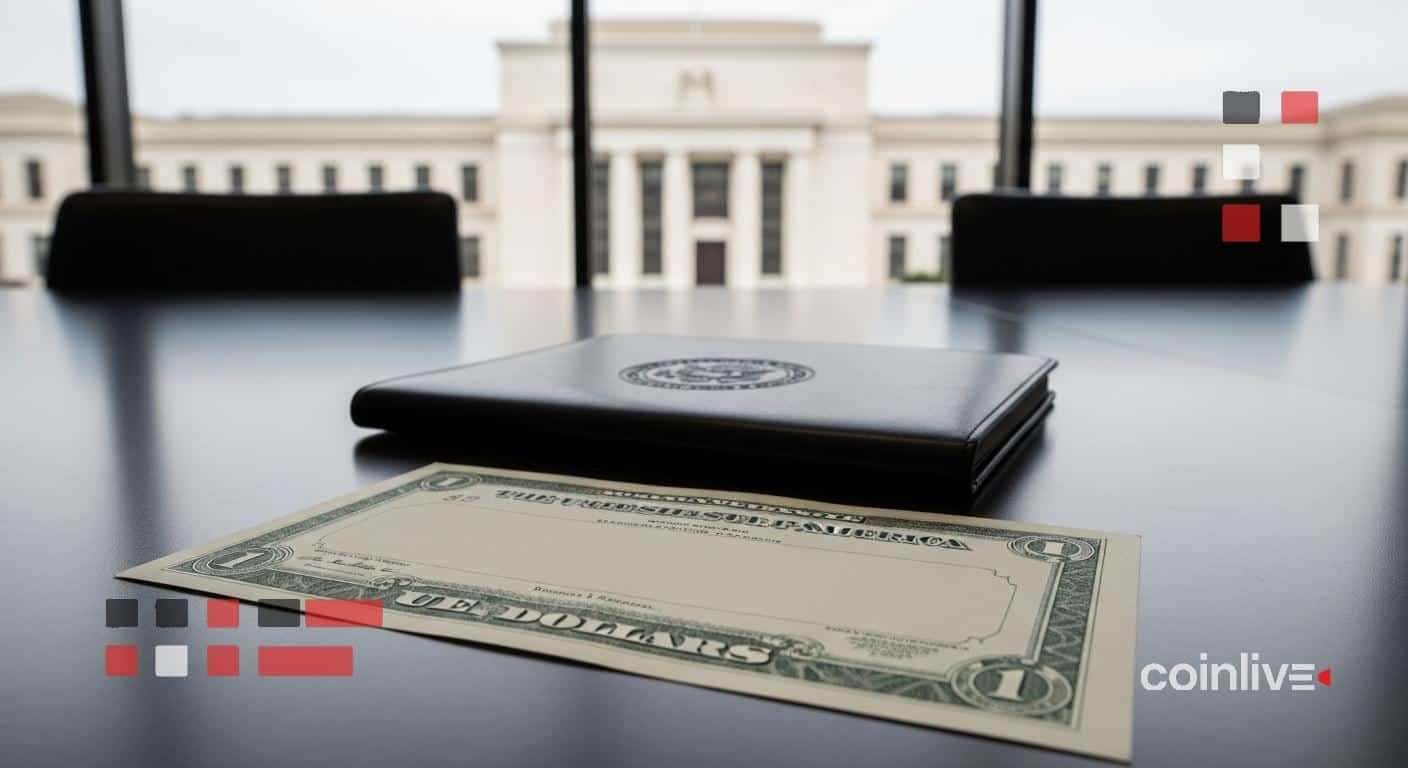
Short answer: No, Fed policy is data-driven, not politically set
President Trump has called for the United States to have the “lowest interest rates in the world,” but the Federal Reserve, not the White House, sets U.S. policy rates. The central bank’s leadership has emphasized decisions grounded in incoming data rather than political directives.
After holding rates steady in late January 2026, Chair Jerome Powell reiterated a data-first approach and noted that price pressures had not fully normalized, as reported by Forbes (https://www.forbes.com/sites/tylerroush/2026/01/29/trump-claims-us-should-pay-worlds-lowest-interest-rates-after-fed-paused-cuts/). That posture underscores the Fed’s institutional independence and its focus on inflation dynamics, employment conditions, and financial stability when calibrating policy.
Why Trump’s call matters for inflation, debt, and mortgages
Aggressively targeting the world’s lowest rates could reheat inflation if cuts outpace disinflation progress, while also unsettling inflation expectations. Even if short-term borrowing costs fell, investors could demand higher long-term yields if they perceive political interference, raising the government’s debt-service burden and filtering into mortgage rates.
Trump has framed the issue in sweeping terms. As he put it, the United States “should have the lowest interest rate of any country in the world,” said Donald Trump, U.S. president.
Business leaders warn that undermining Federal Reserve independence can lift long-run borrowing costs by unmooring inflation expectations. Jamie Dimon defended the Fed’s autonomy and cautioned that eroding it would damage trust and push up long-term rates, as reported by the Guardian (https://www.theguardian.com/business/2025/jul/15/jamie-dimon-jp-morgan-jerome-powell-trump-defence).
Policy choices around the Fed’s balance sheet also matter for households. A Washington Post analysis noted that Kevin Warsh’s push to shrink a $6.6 trillion portfolio could raise long-term rates, creating tension with the administration’s housing agenda, an outcome that would typically pressure mortgage affordability (https://www.washingtonpost.com/business/2026/02/10/kevin-warsh-fed-balance-sheet/).
At the time of this writing, Bitcoin traded around $68,362 with a bearish sentiment reading and very high measured volatility near 10.62%. Such snapshots illustrate how risk assets can react quickly to shifts in policy expectations even as the Fed keeps its focus on data.
How U.S. interest rates are set and transmitted
In practice, the Federal Reserve sets its policy stance through scheduled meetings, statements, and balance sheet operations, and officials weigh trade-offs visible in inflation readings, growth, and financial conditions. Internal debates and dissents are part of the process: according to AP News, Governor Stephen Miran argued the stance was “very restrictive” and pushed for cuts, with support from Christopher Waller (https://apnews.com/article/c12e24e55b129a382ac7ee1cfd145c5d).
Presidents influence the institution via appointments rather than by setting the policy rate. As reported by WUFT, Trump nominated Kevin Warsh to lead the Board of Governors, underscoring that personnel choices can shape strategy over time but do not substitute for meeting-by-meeting decisions (https://www.wuft.org/2026-02-10/how-much-power-does-the-fed-chair-really-have?_amp=true).
Transmission to the real economy occurs through several channels. Changes in the policy stance steer short-term funding costs, while balance sheet adjustments and investor expectations can move longer-term Treasury yields that anchor mortgage rates; when long-dated yields rise, housing affordability typically tightens even if the policy rate is unchanged.
| Disclaimer: The information provided in this article is for informational purposes only and does not constitute financial, investment, legal, or trading advice. Cryptocurrency markets are highly volatile and involve risk. Readers should conduct their own research and consult with a qualified professional before making any investment decisions. The publisher is not responsible for any losses incurred as a result of reliance on the information contained herein. |
More From Crypto News

Aave Ethereum V3 Umbrella Stakes Fall 9.67% to $116.09M
Aave Umbrella is the protocol’s safety backstop mechanism on Ethereum V3, where participants stake assets to cover potential shortfalls. The tracked stake figur...

SEC Approves Cboe Binary Options Rules for Coinbase and MARA Metrics
The SEC has approved rule changes submitted by Cboe, clearing the regulatory path for a new class of binary options contracts linked to business metrics of Coin...

Bitcoin ETFs vs. Ethereum ETFs: Weekly Outflow Comparison
Net flow figures aggregate all fund-level movements into a single daily number. A negative weekly total means redemptions exceeded creations across all funds th...

BlockSec: $387.5M Stolen From Bitget, Under $1M Frozen
According to BlockSec’s fund-flow analysis , the reported loss was revised upward from an initial estimate of roughly $351. 6 million to approximately $387.

Compound Launches on Unichain With New Collateral
Compound Finance has deployed on Unichain, adding support for five collateral assets: wstETH, weETH, ezETH, BTC and UNI.

Bitcoin, Ether and XRP Rebound After Flash Crash
Bitcoin, Ether, and XRP staged a recovery after a sharp flash crash sent prices across the crypto market lower, with all three assets rebounding from their intr...
