- Main event impacts crypto market volatility.
- Institutional shifts prompt risk-off behavior.
- Market sees increased stablecoin activity.
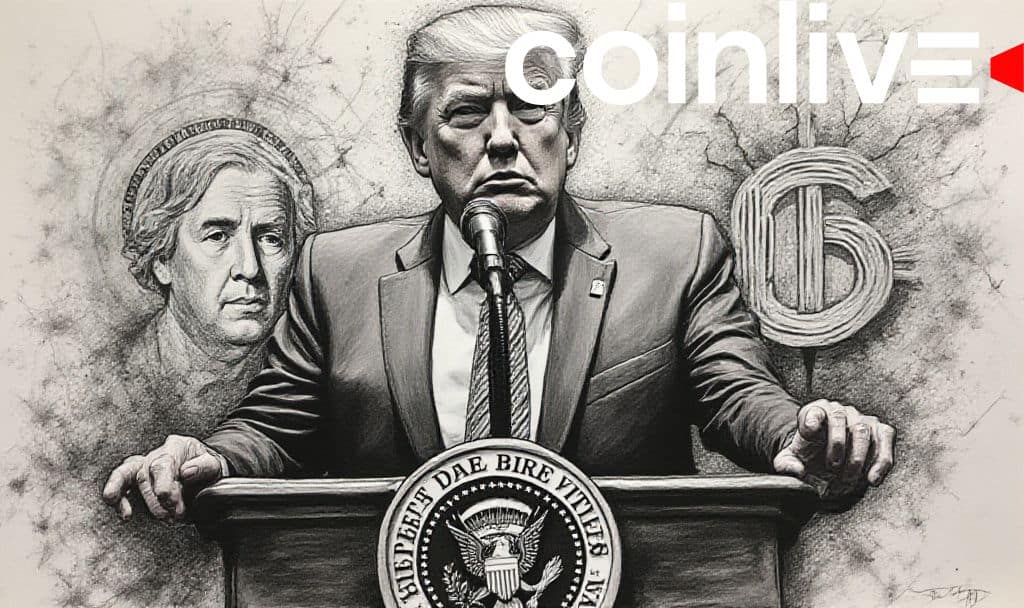
President Donald Trump announced on X that tariffs on Chinese goods remain scheduled for November 1st, influencing market dynamics, including cryptocurrency fluctuations.
The upcoming tariffs have provoked market reactions, with influential figures warning of increased volatility and liquidity shifts, particularly affecting Bitcoin, Ethereum, and stablecoin activity.


President Trump reaffirmed his stance on imposing tariffs on Chinese goods starting November 1, a decision that has been communicated through social media. “Tariffs on China are still the plan for November 1st. American workers come first,” President Trump emphasized. The move is reminiscent of previous trade escalations during his 2018-2019 tenure.
The tariffs’ announcement involves significant players such as President Donald Trump and U.S. Trade Representative Katherine Tai, who have historically emphasized an “America First” agenda. The Chinese government has not issued a counter-statement.
The immediate impact was observed in the global crypto markets. Notably, Bitcoin and Ethereum experienced brief sell-offs, reflecting about a 2-3% decline in a few hours. Stablecoin issuance saw minor increases among exchanges.
The financial implications underscore a potential for liquidity constraints as investors pivot from risk assets. Politically, the tariffs highlight continuing U.S.-China tensions. Crypto exchanges have reported increased activity in stablecoins like USDT and USDC.
Crypto luminaries such as Arthur Hayes and CZ noted the likely rise in market volatility.
Hedge funds are trimming exposure, indicative of an institutional pivot typical in periods of geopolitical strife. Historical analysis suggests that such tariffs can trigger a broader financial shift towards non-sovereign assets. The market’s reaction mimics patterns from the 2018-2019 trade war period, where crypto assets showed resilience post-initial sell-off.