


Trump Signs Order Allowing Crypto in 401(k) Plans
President Donald J. Trump signs an executive order allowing 401(k) investors to access alternative assets, including cryptocurrency, expanding retirement invest...
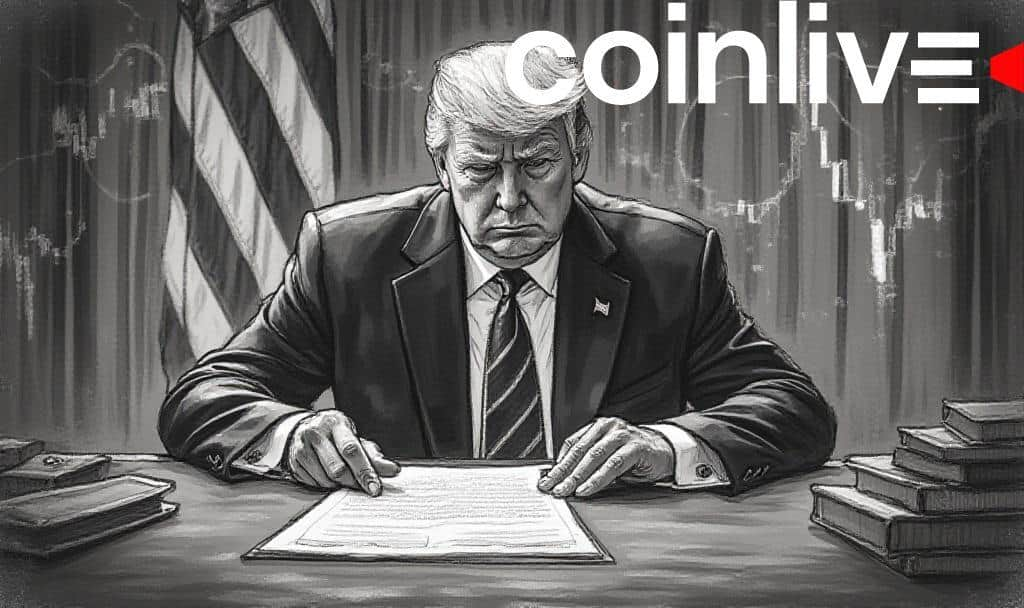
- New executive order permits crypto investments in 401(k) plans.
- Potential increase in crypto market participation.
- Requires fiduciary duty for retirement plan sponsors.

President Donald J. Trump signed an Executive Order on August 7, 2025, allowing 401(k) investors in the United States to include alternative assets such as cryptocurrency.

This change democratizes retirement investment options, potentially increasing crypto market inflows, though fiduciaries face heightened vetting responsibilities for these asset classes.
On August 7, 2025, President Donald J. Trump signed an executive order allowing 401(k) investors to access alternative assets including cryptocurrency. This action changes retirement investment options, aiming to offer broader diversification opportunities.
The order involves President Trump and the Department of Labor (DOL), directing regulatory adjustments to include assets like Bitcoin and Ethereum, democratizing access to crypto investments. As President Trump stated, “…democratizes access to alternative assets for 401(k) investors” with a focus on optionality and fiduciary safeguards.
The order impacts the 401(k) market, potentially enabling a significant flow of funds into crypto markets. It offers retirement plan sponsors the option to include cryptocurrencies, broadening investment menus for over 90 million participants.
Financial implications include increased responsibility for fiduciaries overseeing these plans. Retirement service providers and plan sponsors must ensure prudent vetting of crypto or alternative investments within the new regulations.
Currently, the executive order does not allocate direct federal funding. It opens the 401(k) market to crypto products, fostering potential demand for BTC and ETH as plans implement changes and investors allocate funds.
Future outcomes may involve increased demand for Bitcoin and Ethereum as crypto becomes more integrated into retirement plans. Historical precedents suggest regulatory shifts could unlock further crypto asset class adoption pending fiduciary vetting and market dynamics.
More From Crypto News

CoinDCX $16M Hack Claims Challenged by Blockchain Investigators
Blockchain investigators are publicly accusing Indian crypto exchange CoinDCX of misrepresenting details of a reported $16 million hack, raising questions about...

Bitcoin ‘Goes to Zero’ After a Hack, Chamath Predicts
Venture capitalist Chamath Palihapitiya has predicted that Bitcoin could go to zero in the wake of a major hack, framing a credible security failure as the scen...

Grayscale Lets Eligible Investors Swap Tokens for ETF Shares
Grayscale says the new mechanism allows qualifying investors to tender cryptocurrency tokens and receive corresponding fund shares in return, rather than purcha...

Treasury GENIUS Act Stablecoin Rules Back US Leadership
The US Treasury has stated that finalized rules under the GENIUS Act stablecoin framework are designed to support American leadership in digital finance, markin...

Lookonchain Says Pump.fun Deposited 129,798 SOL Worth $14.07M
On-chain analytics account Lookonchain reported that Pump. fun deposited 129,798 SOL, valued at approximately $14.

Irish Drug Dealer-Linked Wallet Moves 500 BTC to Coinbase
Blockchain intelligence firm Arkham reportedly flagged a wallet it links to an Irish drug dealer as the source of a 500 BTC transfer directed to Coinbase, accor...
