


Trump Imposes 25% Tariff on Indian Imports
U.S. President Trump announces a 25% tariff on Indian imports, citing concerns over Russian partnerships.
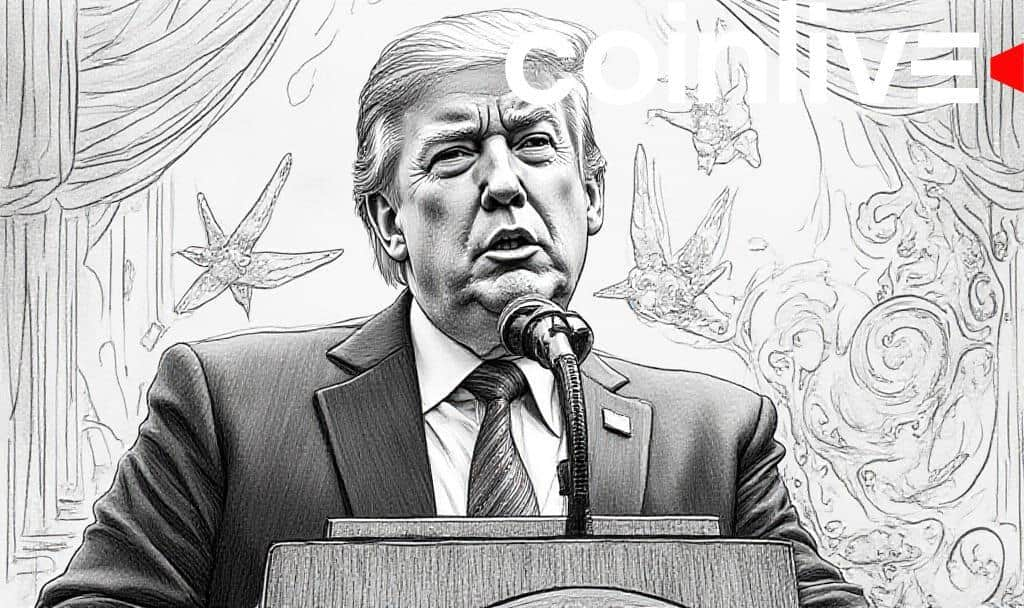
- U.S. President announces 25% tariff on India for Russian ties.
- Tariff begins August 1, aiming to penalize Indian-Russian trade.
- Market impacts may follow if international payments are affected.

President Donald Trump has announced a 25% tariff on India, effective August 1, 2025, due to India’s purchase of Russian energy and military equipment.

The tariff could reshape Indo-U.S. trade relations and impact India’s economic strategy, potentially influencing cryptocurrency activity depending on any shifts in international payments or trade flow disruptions.
President Donald Trump has announced a 25% tariff on India, effective August 1, 2025, blaming purchases from Russia. This move reflects ongoing tensions over India’s energy transactions with Russia.
Trump specified the tariff due to India’s high trade barriers and Russian imports. The new measure targets both military and energy sectors, potentially affecting bilateral ties.
Immediate effects on trade and diplomatic relations could emerge, given the substantial tariff rate. The lack of official response from Indian authorities suggests forthcoming discussions.
Financially, industries reliant on U.S.-India exchanges may face increased costs. Politically, the measure underscores existing geopolitical frictions, especially in energy and military dealings. President Donald Trump stated, “Remember, while India is our friend, we have, over the years, done relatively little business with them because their Tariffs are far too high, among the highest in the World, and they have the most strenuous and obnoxious non-monetary Trade Barriers of any Country… they have always bought a vast majority of their military equipment from Russia, and are Russia’s largest buyer of ENERGY, along with China… INDIA WILL THEREFORE BE PAYING A TARIFF OF 25%, PLUS A PENALTY FOR THE ABOVE, STARTING ON AUGUST FIRST.” Source
Expert analysts anticipate shifts in global trade dynamics, particularly involving India’s regional alliances. While crypto markets haven’t reacted, potential effects could be observed if financial systems are impacted.
Historically, similar tariffs have led to increases in crypto as a hedging instrument. Should Indian markets restrict access, crypto usage might rise, though current data shows no immediate market shift. For a comprehensive overview of how such financial shifts could affect businesses, refer to Comprehensive tax solutions for professionals and businesses.
More From Crypto News

CZ Says AI Hacking Fears Miss a Bigger Crypto Risk
Binance founder Changpeng Zhao has pushed back on a growing narrative in crypto security circles, arguing that fears about AI-powered hacking may be distracting...

Bitcoin Eyes $85K: What the Charts Signal Next
Bitcoin is pressing toward the $85,000 area, a level that chart-watchers have flagged as the most closely monitored resistance on the current advance. Whether t...

CoinDCX $16M Hack Claims Challenged by Blockchain Investigators
Blockchain investigators are publicly accusing Indian crypto exchange CoinDCX of misrepresenting details of a reported $16 million hack, raising questions about...

Bitcoin ‘Goes to Zero’ After a Hack, Chamath Predicts
Venture capitalist Chamath Palihapitiya has predicted that Bitcoin could go to zero in the wake of a major hack, framing a credible security failure as the scen...

Grayscale Lets Eligible Investors Swap Tokens for ETF Shares
Grayscale says the new mechanism allows qualifying investors to tender cryptocurrency tokens and receive corresponding fund shares in return, rather than purcha...

Treasury GENIUS Act Stablecoin Rules Back US Leadership
The US Treasury has stated that finalized rules under the GENIUS Act stablecoin framework are designed to support American leadership in digital finance, markin...
