


Trump Signs Order to End Banking Bias Against Crypto
NewsPresident Trump signs an executive order to protect cryptocurrency companies from banking discrimination under ‘Guaranteeing Fair Banking for All Americans’.
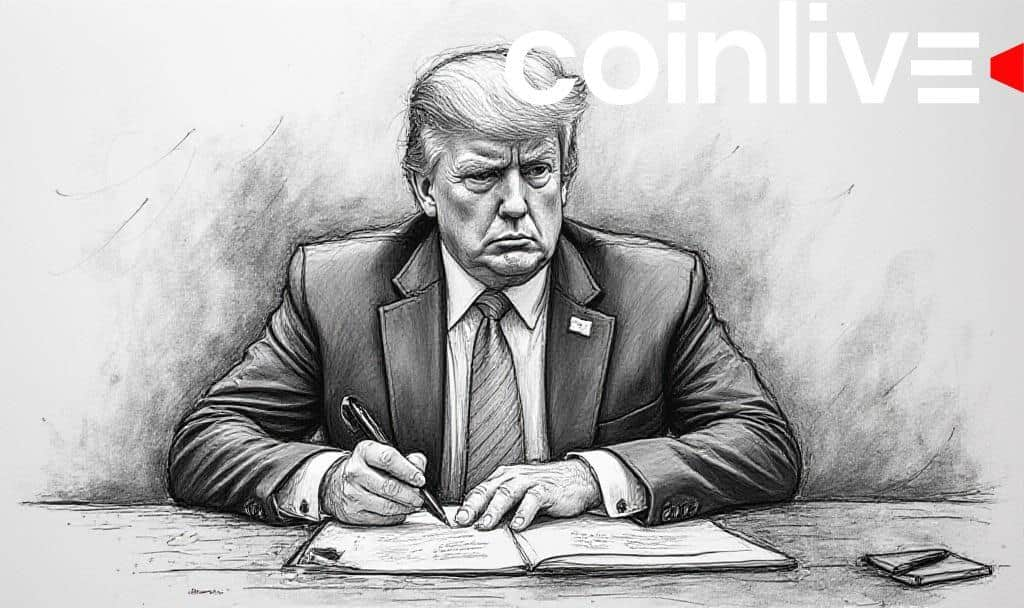
- The order prevents discrimination against crypto in banking services.
- Trump’s executive action targets banking fairness.
- Potentially restores banking trust and access for crypto.
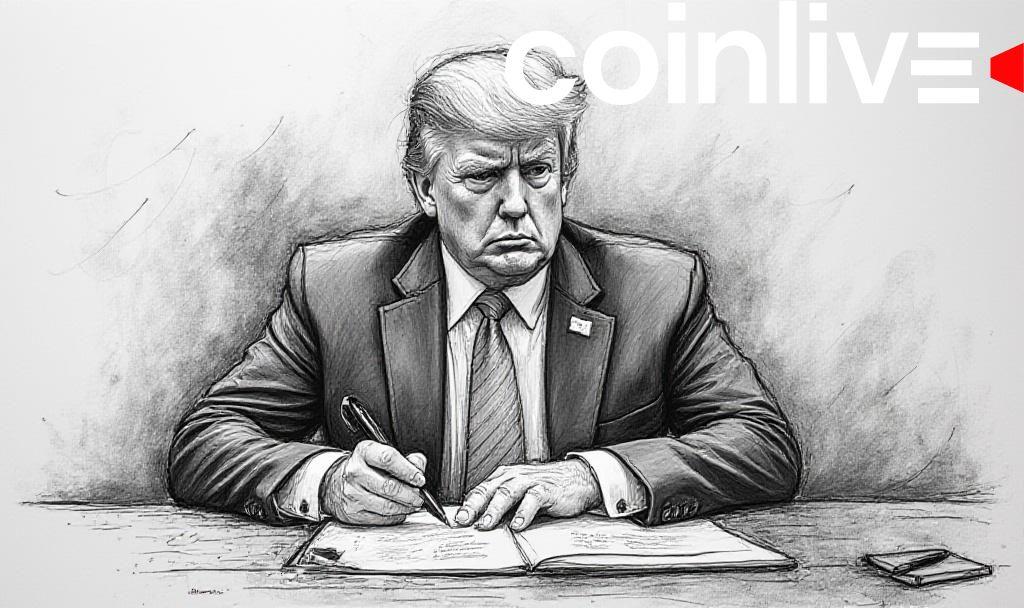
President Donald Trump signed an executive order on August 7, 2025, in Washington, aiming to end banking discrimination against cryptocurrency businesses by mandating fair access.

The order’s impact could reshape banking policies, potentially enhancing accessibility for cryptocurrency entities and altering market dynamics.
Executive Order Announcement
President Donald Trump has signed an executive order titled “Guaranteeing Fair Banking for All Americans” aimed at halting discriminatory banking practices against crypto businesses. This move seeks to ensure fair banking access for companies regardless of industry affiliation. “This executive order will help ensure that all Americans, regardless of their political beliefs or industry affiliations, can access fair banking services,” President Trump stated.
The order was signed on August 7, 2025, and directs federal regulators to address banking discrimination. Congressman Andy Barr supported the initiative, indicating plans to enshrine it into law to bolster access for cryptocurrency businesses. Barr hailed the order, noting, “President Trump’s bold executive action is a major step forward—and now we’re going to make sure it becomes law.” For more details, see the White House fact sheet.
Impact on Crypto Banking
This legislation could significantly influence U.S. cryptocurrency entities by facilitating improved bank access. Such action aims to counteract previous limitations placed on the industry due to perceived reputational risks.
While immediate financial effects on crypto markets are indeterminate, advocacy for fair banking access underscores existing pressures federal policies might have faced. Similar regulatory trends in individual states suggest increasing calls for economic acceptance. For instance, Congressman Andy Barr has announced new initiatives for banking accessibility.
Future Implications
With its implementation, financial and political impacts could impact broader access and institutional involvement for crypto entities. Analysts anticipate actions like these heightening U.S.-based crypto adoption or reshaping its financial landscape.
This executive order appears to contrast with prior policies like “Operation Choke Point”, which restricted bank services for controversial industries. Time will reveal whether it paves the way for significant technological collaboration or decentralized finance engagement. Learn more about the “Fair Access to Banking Act” efforts led by Cramer.
More From Crypto News

Aster (ASTER) Rises 4.88% in 24 Hours: What the Data Shows
Aster (ASTER) is trading at $0.655837, up 4.88% over the past 24 hours, according to CoinGecko data as of 19:13 UTC on November 11, 2026.

Bitcoin Misses Stock Rebound as ETF Outflows Hit Day Four
Bitcoin failed to follow a broad equity rebound on November 11, trading near $73,993 while Nasdaq-100 futures climbed 1.7% after CoreWeave posted an earnings be...

OCC Clears Coinbase National Trust Company for Crypto Custody
The OCC issued its decision in CD-1370 , formally authorizing Coinbase National Trust Company to operate as a federally chartered trust bank focused on digital-...

Reported Ankr Ethereum Bridge Drain Exceeds $303,000, The Defiant Says
The Ankr Ethereum Bridge was drained of more than $303,000 in an exploit carried out across five transactions.

Binance CFO Steps Down After Reported Hack, Co-CEO Cites Planned Transition
Binance’s chief financial officer has stepped down, the exchange confirmed, with the departure landing nine days after the platform suffered what has been descr...

US Treasury Takes Action Against MEXC Over Alleged $16B in Sanctions-Linked Transactions
The Treasury press release identifies MEXC as the subject of the action and ties the exchange to transaction flows connected to three sanctioned or adversarial...
