


Trump and Fed Chair Powell Meet at White House
Trump meets Fed Chair Powell to discuss economic strategies, spurring financial market reactions.
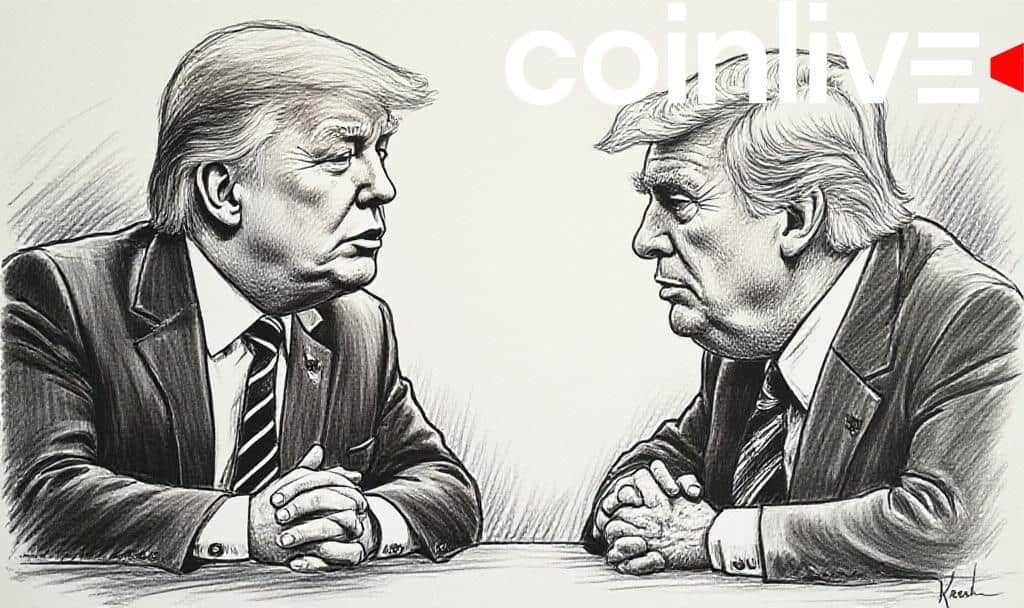
- Meeting between Trump and Powell impacts financial strategies.
- Financial markets show volatility and caution.
- Interest rate discussions remain a critical focus.
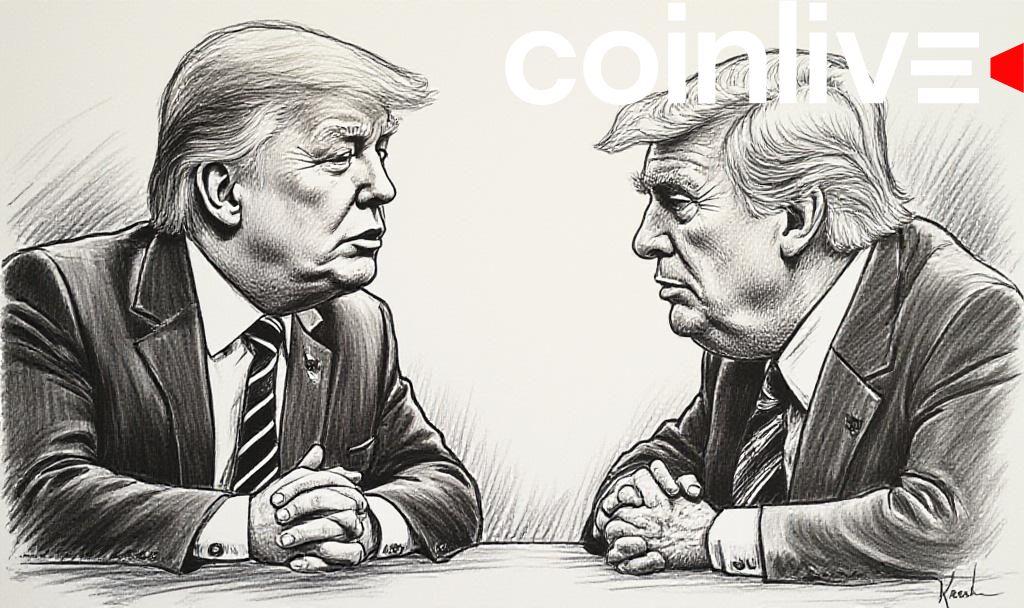
President Trump and Federal Reserve Chair Jerome Powell met at the White House on May 29 to discuss economic strategies and monetary policy.
The meeting underscores ongoing economic policy tensions, affecting market dynamics, specifically in interest rates and financial stability.
President Trump and Fed Chair Jerome Powell discussed economic developments, focusing on growth and employment. The meeting came amid Trump’s continued pressure on Powell to lower interest rates, highlighting ongoing disagreements about monetary policy direction. Powell remarked, “At the President’s invitation, Chair Powell met with the President today at the White House to discuss economic developments including for growth, employment, and inflation. Chair Powell did not discuss his expectations for monetary policy… will make those decisions based solely on careful, objective, and non-political analysis.” Further updates can be read on the Federal Reserve’s announcements.
Trump’s public criticism of Powell’s decisions has increased market volatility, particularly affecting U.S. equities and Treasury yields. Powell emphasized that monetary decisions would rely on economic data, not politics, ensuring policies remain objective and non-partisan.
Market volatility spiked following Trump’s remarks on interest rates. Treasury yields and the U.S. dollar experienced fluctuations, reflecting investor uncertainty. The cryptocurrency market, especially Bitcoin, stayed stable but lacked momentum amid macroeconomic concerns.
Financial implications revolve around potential policy shifts. Trump’s insistence on rate cuts could influence Fed decisions, triggering wider economic effects. Political tensions add complexity, placing additional pressure on the Fed to balance economic priorities.
Historical parallels are evident as Trump’s policies echo past tensions with the Fed, impacting financial markets. Disagreements often led to increased asset volatility, pushing Bitcoin and Ethereum’s roles as alternative hedges.
Potential outcomes include alterations in interest rate paths and market strategies. Historical trends suggest political pressure influences rate policy, affecting investment behaviors. Investors watch closely for further developments shaping economic landscape dynamics.
More From Crypto News

Bitcoin Tests $80K as $550M Crypto Liquidations Hit
Bitcoin is testing the $80,000 support level as reports of roughly $550 million in crypto liquidations circulate across market data platforms. Whether BTC can h...

Electrum 4.8.3 Fixes Flaw After Bitcoin Theft
Electrum, one of Bitcoin’s oldest and most widely used software wallets, has released version 4. 8.

Zcash ETFs Draw Millions as Bitcoin Falls
Zcash exchange-traded fund products are reportedly drawing fresh capital at a time when Bitcoin is under selling pressure, with inflows described as the largest...

XRP ETF Investors Put In $1.8B, Holdings Now Worth $1.48B
XRP ETF investors have committed approximately $1. 8 billion in capital, but the aggregate holdings value of those products now sits near $1.

X100 Exploit Proceeds Split Into Four 400-ETH Wallets
X100 exploit proceeds have reportedly been divided into four equal destination wallets, each holding 400 ETH, bringing the observed total distributed across the...

Bitcoin Refuses to Break: @jvisserlabs on Market Resilience
Bitcoin is holding where many expected it to crack. Crypto analyst @jvisserlabs flagged the pattern on X, pointing out that Bitcoin’s repeated refusal to break...
