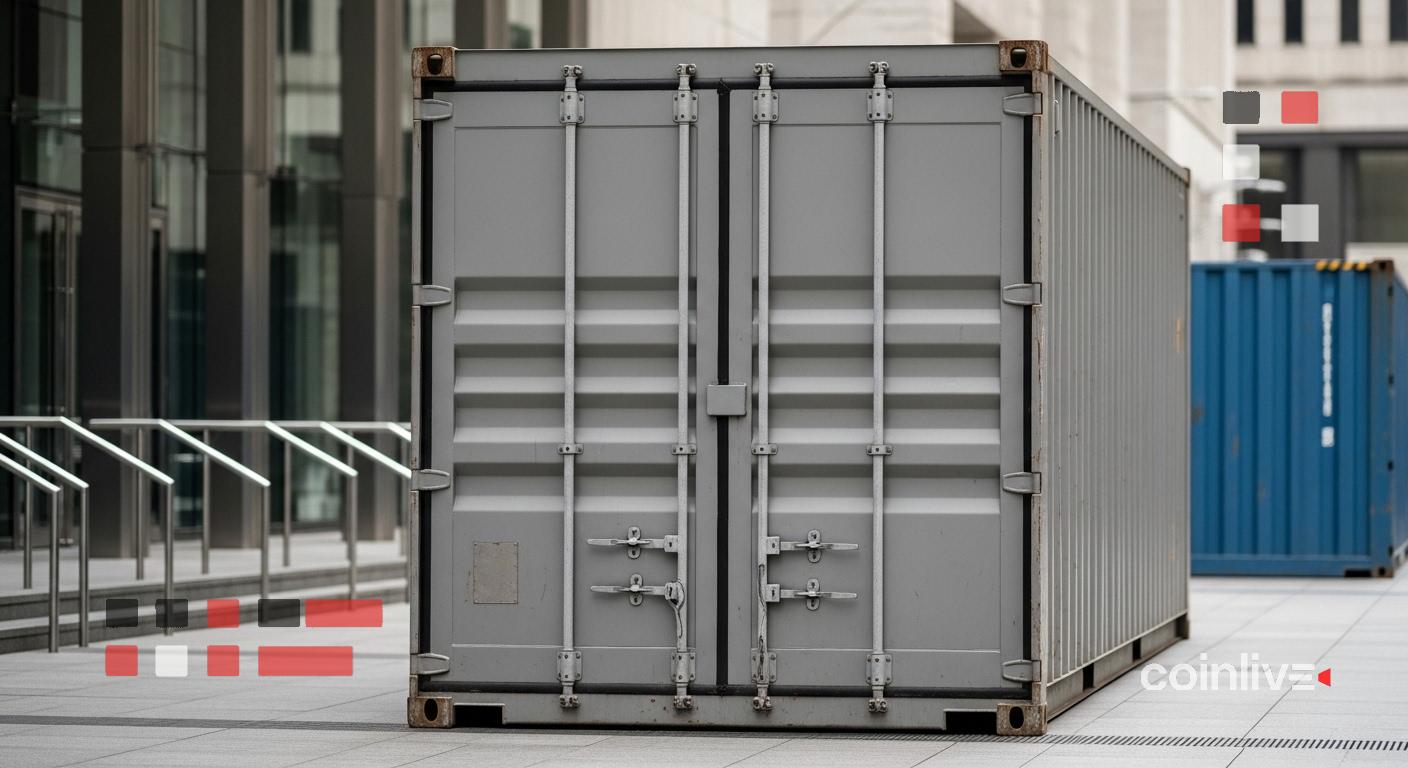
Why the U.S.–China goods deficit fell: tariffs and trade diversion
The U.S.–China goods deficit has fallen to its lowest level in more than two decades, as reported by Moneycontrol. The decline reflects a multi-year reset in trade patterns rather than a sudden drop in U.S. demand. Companies adjusted ordering and logistics as policy uncertainty and shipping costs interacted with tariff schedules. The result is a smaller bilateral gap even as overall U.S. goods imports remain sizable.
Tariffs introduced since 2018 raised the effective cost of importing from China and encouraged substitution toward alternative suppliers, as reported by the Washington Post. This re-pricing worked alongside procurement policies that favored friend‑shoring and multi-sourcing. Importantly, many U.S.-bound goods still originate within Asia’s production networks, but final assembly and customs valuation increasingly occur outside mainland China. That dynamic narrows the measured U.S.–China gap while keeping end-market consumption steady.
Early evidence suggests that this diversification is broadening from apparel and furniture into additional product categories, according to Bloomberg Economics. Firms have prioritized continuity of supply and tariff predictability over single-country efficiency. In practice, that means parallel vendor bases, dual tooling, and more inventory safety stock. These operational choices show up in customs data as trade diversion rather than outright decoupling.
What it means now for prices, supply chains, and policy
For prices, the near-term impact depends on category and capacity. Where China was a dominant low-cost supplier, substitution and retooling can lift unit costs until alternative plants scale. In categories with multiple viable producers, added competition and diversified lanes may limit pass‑through to consumers. Freight conditions, lead times, and vendor financing terms will influence the net effect.
Supply chains in advanced technology remain tightly interlinked, limiting the speed of separation even as tariffs bite. Critical inputs, standards, and certifications tie U.S. buyers and Chinese producers into broader Asian hubs, which blunts full decoupling. That interdependence is most visible in semiconductors, aerospace, industrial machinery, and electronics.
“Even as trade volumes fall and tariffs bite, U.S.–China interdependence in areas like semiconductors and aerospace remains quite high,” said Scott Kennedy, senior adviser at the Center for Strategic & International Studies. “The relationship shows resilience for both pragmatic and structural reasons.”
Policy direction will hinge on enforcement and revenue considerations. U.S. Treasury Secretary Scott Bessent has said the United States is “very happy” with the current China tariff arrangement and that China is the biggest source of tariff revenue, according to Investopedia. If sustained, that stance implies continued reliance on tariff tools while officials calibrate pressure through reviews and exemptions.
Methodology note: references here are to the goods balance in nominal terms. Services trade and U.S. company revenues generated inside China materially change the bilateral picture, according to China’s Ministry of Foreign Affairs. Interpreting progress or risk therefore requires reading goods data alongside services, investment flows, and local sales by multinationals.
At the time of this writing, Apple Inc. (AAPL) traded at 262.83, down 0.58% intraday, based on delayed data displayed by Yahoo Finance. This market snapshot offers background context on investor sensitivity to supply‑chain headlines and policy signals, and does not constitute advice.
Where sourcing shifted: Vietnam, Taiwan, Mexico, sector impacts
Procurement has shifted most visibly toward Vietnam, Taiwan, and Mexico as buyers rebalance exposure. Electronics, apparel, and light industrial goods feature prominently, with more complex machinery and components following as vendor ecosystems mature. Much of this activity represents trade diversion inside existing Asian production webs, combined with nearshoring for North American distribution. The effect is a geographic remix of invoices rather than a simple fall in end-demand.
“While the goods deficit with China fell nearly 32% to about $202 billion, deficits with Taiwan and Vietnam rocketed , and could attract more U.S. trade pressure,” said Chad P. Bown, senior fellow at the Peterson Institute for International Economics.

Those shifts carry compliance implications across rules of origin, tariff classification, and export controls. Companies are monitoring anti‑circumvention risks and country‑of‑origin documentation as production steps move across borders. If policy focus rotates toward fast‑growing counterparties, cost structures and lead times could adjust again.
Sector impacts will diverge. In semiconductors and electronics, tooling cycles and ecosystem lock‑in slow relocation, so partial rerouting remains more likely than wholesale moves. In consumer durables and apparel, where supplier bases are deeper, capacity additions in Vietnam and Mexico can scale more quickly, albeit with transitional cost premiums.
| Disclaimer: The information provided in this article is for informational purposes only and does not constitute financial, investment, legal, or trading advice. Cryptocurrency markets are highly volatile and involve risk. Readers should conduct their own research and consult with a qualified professional before making any investment decisions. The publisher is not responsible for any losses incurred as a result of reliance on the information contained herein. |