
- US initiates USMCA renegotiations amid trade tensions.
- Involves reshuffling US-Canada-Mexico economic ties.
- No immediate crypto impact observed from USMCA changes.
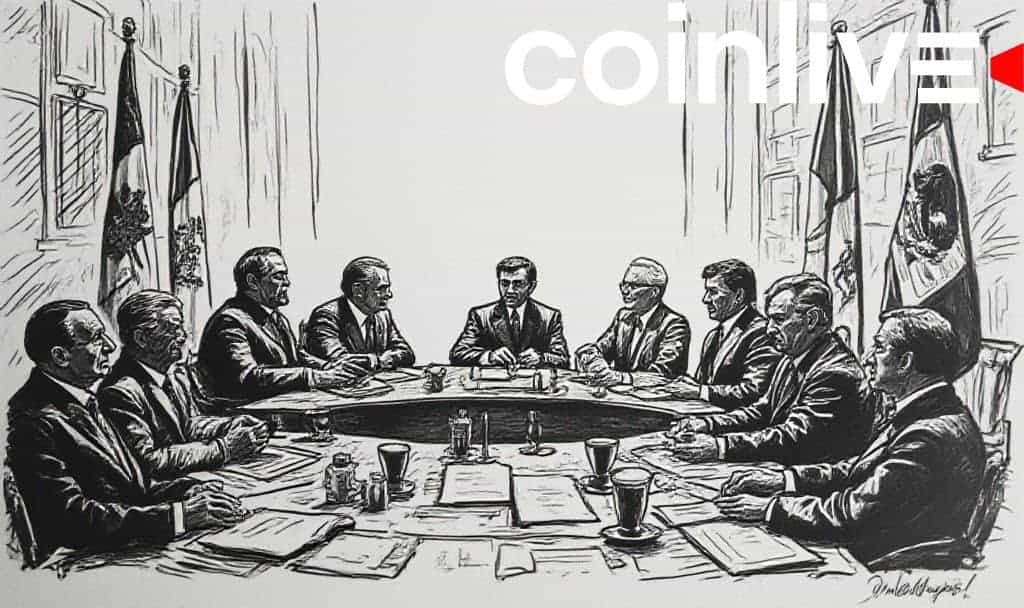
The United States plans to renegotiate the United States-Mexico-Canada Agreement by 2026 due to increased trade tensions among the three countries.
This renegotiation could impact $1.8 trillion in annual trade, with significant consequences for North American economies.


The United States is moving forward with plans to renegotiate the USMCA, which governs North American trade relations. This comes amid growing trade tensions and strategic shifts in U.S. policy.
Leadership from the United States, Canada, and Mexico are key players in the negotiations. “I think the president is absolutely going to renegotiate USMCA, but that’s a year from today… He wants to protect American jobs,” remarked Howard Lutnick, Secretary of Commerce, emphasizing the importance of these efforts. President Trump, Canadian Prime Minister Mark Carney, and Mexican Secretary Marcelo Ebrard are taking active roles in shaping the outcomes.
Implications for Tariffs and Trade Rules
The USMCA renegotiations have significant implications for tariffs and trade rules that affect sectors such as steel and agriculture. Recent tariffs have already increased costs and reshaped market dynamics in North America.
These changes could lead to strategic economic adjustments and influence trade policies. Potential financial ramifications include shifting market trends, along with implications for North American supply chains and businesses.
Impacts on Cryptocurrencies and Financial Regulation
While the crypto industry has yet to show direct effects from the USMCA news, ongoing trade tensions generally encourage the use of alternatives like stablecoins in cross-border transactions. Financial communities are observing any spillover effects from traditional markets.
Historical data suggests previous NAFTA to USMCA transitions led to market volatility. Although current negotiations focus on traditional trade, potential impacts on crypto and financial regulation remain speculative until concrete developments occur.