


US Senate Clears Vote on GENIUS Stablecoin Bill
NewsThe US Senate’s movement on the GENIUS stablecoin bill highlights political divides and potential shifts in the regulatory framework for stablecoins.
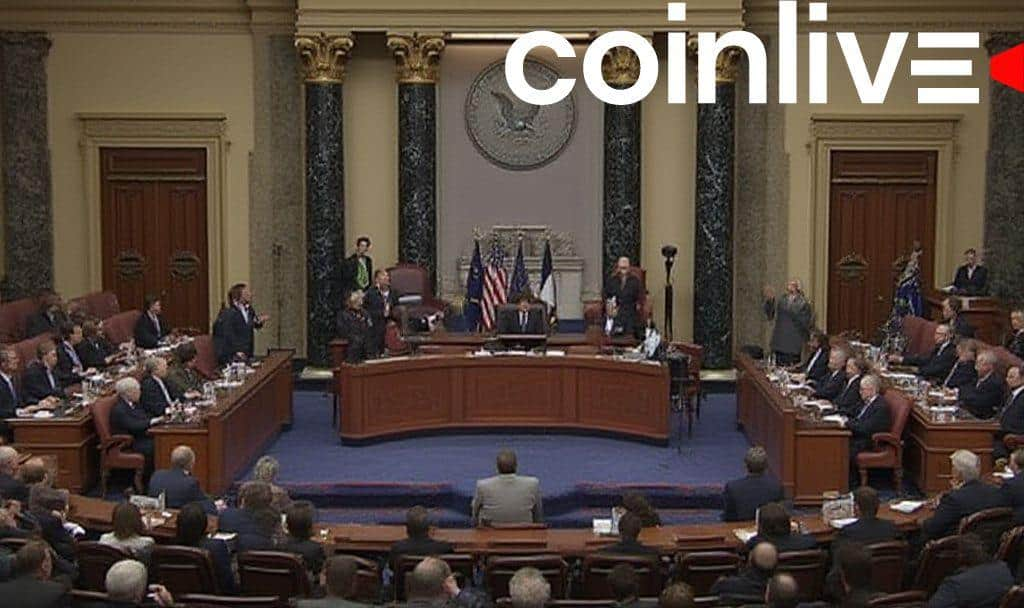
- Senate vote reflects potential regulatory framework shift.
- Divides persist among political leaders.
- Blockchain technology’s impending mainstream acceptance.

The passage suggests a serious shift towards establishing regulatory structures for stablecoins, affecting financial and crypto markets.
Introduction of the GENIUS Act
The GENIUS Act, formally known as the “Guiding and Establishing National Innovation for U.S. Stablecoins of 2025,” passed a critical Senate vote. Prominent figures including Senator Elizabeth Warren and Senate Majority Leader John Thune have illustrated the political challenges faced during proceeding discussions.
The bill aims to create a clear regulatory framework for stablecoin issuers in the U.S. Senator Warner supported forward movement, despite acknowledging potential issues tied to the Trump family’s cryptocurrency dealings. Bipartisan approval indicates a willingness to advance crypto regulation despite previous oppositions.
“Despite concerns about the Trump family’s ventures, we must recognize the significance of these technologies.” — Senator Warner
The potential effects span financial markets with stablecoins being integral to crypto ecosystems. Regulatory support could lead to shifts within blockchain industries amid controversial ties exposed by the Trump family’s crypto connections. Political and financial landscapes are facing a critical juncture with this legislative process evolving rapidly.
Further debates are anticipated as the bill continues through legislative hurdles, impacting industry regulations and challenging current economic paradigms. The proposed changes focus on regulating U.S. stablecoin issuers, critically shifting the blockchain integration path in future policymaking efforts.
The GENIUS Act’s progress in Congress represents potential shifts in technological adoption and regulatory clarity. Decision-makers aim to reconcile concerns over oversight and consumer safeguards while adapting to an evolving crypto market with significant stablecoin involvement. Senator Elizabeth Warren has expressed her opposition, urging her colleagues to vote no on the GENIUS Act, as seen in her Senate floor remarks.
More From Crypto News

Aster (ASTER) Rises 4.88% in 24 Hours: What the Data Shows
Aster (ASTER) is trading at $0.655837, up 4.88% over the past 24 hours, according to CoinGecko data as of 19:13 UTC on November 11, 2026.

Bitcoin Misses Stock Rebound as ETF Outflows Hit Day Four
Bitcoin failed to follow a broad equity rebound on November 11, trading near $73,993 while Nasdaq-100 futures climbed 1.7% after CoreWeave posted an earnings be...

OCC Clears Coinbase National Trust Company for Crypto Custody
The OCC issued its decision in CD-1370 , formally authorizing Coinbase National Trust Company to operate as a federally chartered trust bank focused on digital-...

Reported Ankr Ethereum Bridge Drain Exceeds $303,000, The Defiant Says
The Ankr Ethereum Bridge was drained of more than $303,000 in an exploit carried out across five transactions.

Binance CFO Steps Down After Reported Hack, Co-CEO Cites Planned Transition
Binance’s chief financial officer has stepped down, the exchange confirmed, with the departure landing nine days after the platform suffered what has been descr...

US Treasury Takes Action Against MEXC Over Alleged $16B in Sanctions-Linked Transactions
The Treasury press release identifies MEXC as the subject of the action and ties the exchange to transaction flows connected to three sanctioned or adversarial...
