


Warren Buffett Criticizes Using Trade as a Geopolitical Weapon
Warren Buffett criticizes using trade as a geopolitical weapon at Berkshire Hathaway meeting in Omaha, 2025.
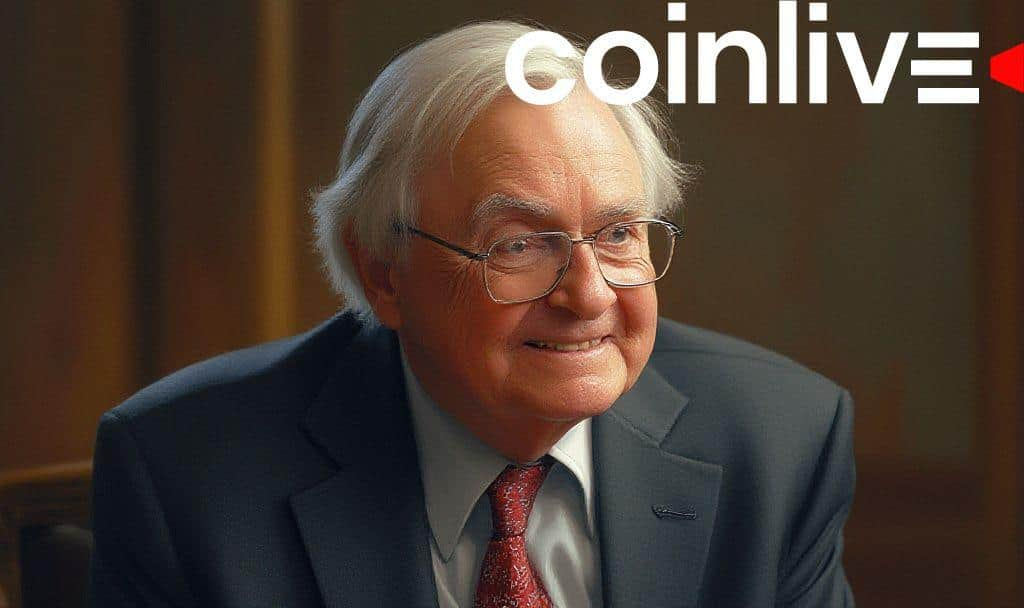
- Buffett criticized weaponizing trade at Berkshire Hathaway’s annual meeting.
- Significant market volatility noted.
- U.S. economy saw a contraction in Q1 due to tariffs.

Buffett’s remarks hold weight, reflecting potential shifts in global trade dynamics amidst recent U.S. trade policies.
Billionaire investor Warren Buffett cautioned against treating trade as an act of war, referencing recent U.S. policies imposing tariffs. He noted how these actions could lead to significant consequences globally for economic relationships, particularly affecting market stability.
Trade should not be a weapon. And the United States… we’ve won. I mean, we have become an incredibly important country, starting from nothing 250 years ago. — Warren Buffett, Chairman and CEO, Berkshire Hathaway, source
Berkshire Hathaway’s CEO highlighted risks associated with using economic measures as leverage for political gain, a position he has consistently held. He argued that creating antagonism in international trade could result in unwanted long-term effects for the U.S. and global esteem.
Immediate effects of these tariffs have been observed, such as U.S. economic contraction for the first time in three years. These policies, witnessed during Trump’s tenure, aim to negotiate better trade deals but have also introduced uncertainty in global markets.
Financial markets experienced volatility, with shifts in trade policy directly influencing investor confidence and economic predictability. Companies with significant international dealings are facing augmented strategic challenges due to these tariffs, seeking to navigate through economic landscapes with new trade barriers.
Economic experts and historians cite Buffett’s perspective on the cruciality of maintaining harmonious trade relationships. Data indicates that collaboration fosters mutual economic growth, whereas divisive policies may erode decades of established trust, potentially affecting future negotiations and technological partnerships.
More From Crypto News

Polymarket Updates 5-Minute Bitcoin Contract Pricing
Polymarket is pricing its five-minute Bitcoin contracts using a 60-second average rather than a single point-in-time snapshot, according to the platform’s publi...

Intel, Oracle and IBM Object to OKX–ICE Tokenized Stock Plans
Intel, Oracle, IBM and IonQ have formally objected to the OKX–ICE tokenized stock plans, according to an October 26 public notice published by OKXICE — the join...

Ark Invest Buys Circle Shares, Sells Bitcoin ETF as BTC Falls
The two moves point in opposite directions within the crypto-linked investment space. Ark added exposure to Circle, the USD Coin issuer and stablecoin infrastru...

Ripple Approved to Operate as a U.S. National Trust Bank
A national trust bank is a federally chartered institution authorized to provide trust and fiduciary services, including asset custody, without engaging in comm...

Ethereum Foundation’s Latest ETH Sale Draws Criticism
The Ethereum Foundation has drawn fresh criticism following its latest sale of ETH, with observers describing the timing and communication around the transactio...

Strategy Pauses Bitcoin Buys as STRC Buybacks Continue
Strategy’s latest weekly update showed no new Bitcoin purchase reported, while the company continued repurchasing shares of its STRC preferred stock. The diverg...
