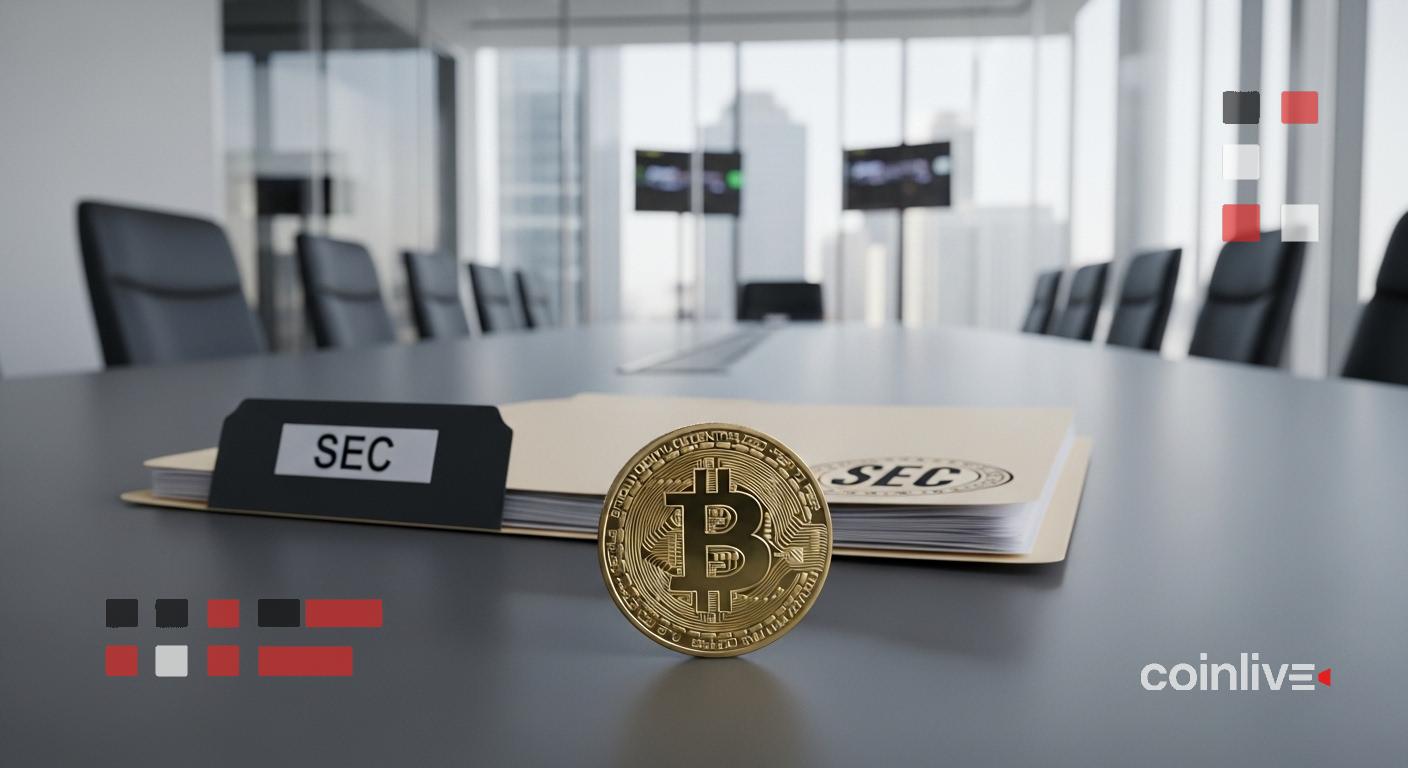
SEC crypto enforcement pause and Sun’s $75M Trump-linked investment, what to know
As reported by The Coin Republic, justin sun committed $75 million to a crypto project linked to Donald Trump, drawing scrutiny because Sun has faced an SEC enforcement action. The funding headline has coincided with questions about whether regulatory pressure on major crypto firms has recently eased.
According to Cointelegraph, House Financial Services Committee Ranking Member Rep. Maxine Waters criticized what she characterized as pauses or terminations in prominent crypto cases, including a stay in Sun’s matter, and called for an oversight hearing into the agency’s approach. That critique places Sun’s investment inside a broader narrative that some enforcement actions have been stayed or wound down.
Critics emphasize the optics rather than asserting proof of a quid pro quo, arguing that proximity between a large investment and litigation pauses can erode confidence in impartial oversight. “A defendant to an SEC enforcement action pours tens of millions into ventures tied to the President’s family, and shortly thereafter, his case is stayed,” said Rep. Maxine Waters, the top Democrat on the House Financial Services Committee.
Why this matters for investors, crypto firms, and oversight
According to Crypto.news, SEC Chair Paul Atkins defended selective litigation pauses by citing constraints on discussing ongoing cases and indicating a shift from “regulation-by-enforcement” to more formal rulemaking alongside the Commodity Futures Trading Commission, including work tied to proposals such as the CLARITY Act. That pivot, if realized, would route key decisions through notice-and-comment processes that clarify when a token is a security and what registration paths apply to platforms and issuers.
For firms, a pause is not a dismissal: stays can be lifted, amended complaints can be filed, and remedial demands can change as discovery and appellate rulings evolve. A rulemaking track could standardize disclosure, custody, and listing obligations, but interim litigation risk may persist where facts or token economics suggest an investment contract under prevailing tests.
For investors, the near-term consequence is uncertainty. Classification outcomes and registration pathways influence disclosures, market access, and safeguards like segregation of assets; until rules or statutes settle those questions, risk hinges on case-by-case facts and procedural posture rather than blanket assurances.
As noted by Benzinga, practitioners caution that baseline definitions, particularly the boundary between securities and commodities in crypto, remain contested. That legal ambiguity means any relaxation in headline pressure could prove temporary until Congress or final agency rules reconcile jurisdiction and compliance standards.


Verified facts versus allegations in SEC crypto enforcement narrative
Verified reporting indicates Sun’s $75 million commitment to a Trump-linked crypto project and a subsequent political push for oversight of the agency’s approach to major crypto cases. The public record also includes an on-the-record defense of enforcement pauses and a stated pivot toward rulemaking and interagency coordination.
Allegations center on the appearance of “pay-to-play” and regulatory capture advanced by political and ethics voices; as reported by The Guardian, scholars have framed the confluence of a presidentially affiliated token venture and reduced regulatory pressure as emblematic of self-enrichment concerns. Those are opinions and critiques, not adjudicated findings.
Key distinctions matter: a stay is a procedural pause, not a merits ruling; a dismissal ends a case, but often without resolving broader legal questions; and rulemaking is forward-looking, typically leaving past conduct to litigation outcomes. Absent documentary evidence or adjudications substantiating improper influence, claims of quid pro quo remain allegations while the policy debate over crypto oversight, investor protection, and market structure continues.
| Disclaimer: The information provided in this article is for informational purposes only and does not constitute financial, investment, legal, or trading advice. Cryptocurrency markets are highly volatile and involve risk. Readers should conduct their own research and consult with a qualified professional before making any investment decisions. The publisher is not responsible for any losses incurred as a result of reliance on the information contained herein. |