


Bitcoin benefits as Brazil waives ASIC duty through 2028
Brazil exempts high-efficiency Bitcoin ASICs from import duty through 2028; Resolução GECEX 861 enables miners to monetize curtailed solar, with Engie in focus.
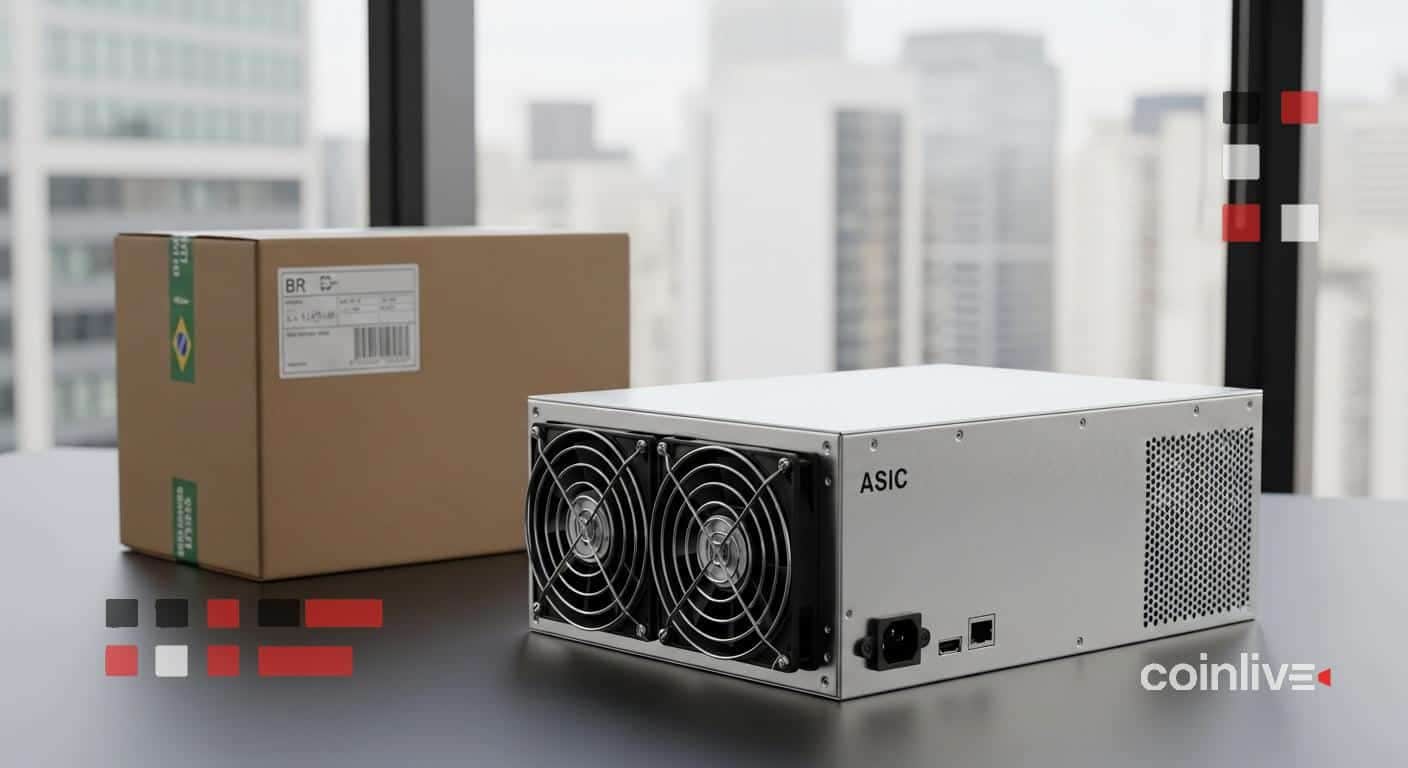
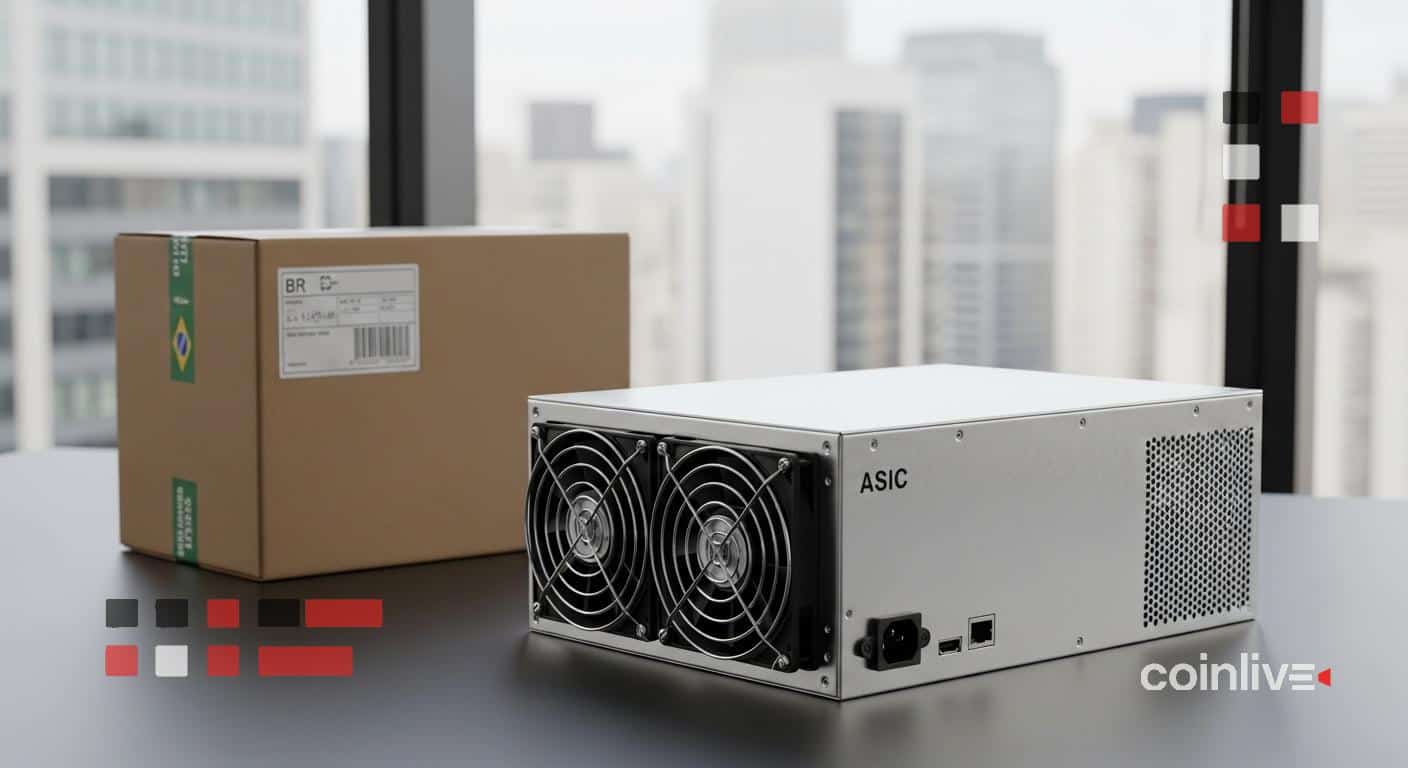
Resolução GECEX 861 suspends import duty on efficient SHA‑256 miners through 2028
Brazil’s foreign trade council (CAMEX) issued Resolução GECEX 861 on February 20, 2026, suspending import duty on a narrow class of Bitcoin mining machines. The exemption applies to SHA‑256 ASICs with efficiency below 20 joules per terahash and nameplate capacity above 200 TH/s, and it remains in force through January 31, 2028, according to CAMEX.
The measure is a targeted tariff change rather than a blanket authorization for mining. It lowers one component of landed cost, but other import‑related taxes, domestic levies, logistics, and operational compliance still apply, so feasibility will hinge on project‑level power prices and uptime assumptions.
Why it matters: Brazil Bitcoin mining import duty and stranded solar power
The tariff suspension coincides with growing renewable curtailment in Brazil’s wind‑ and solar‑heavy regions. Between October 2021 and September 2025, wind alone saw roughly 32 TWh curtailed, about R$6 billion in foregone revenue, underscoring how portable, interruptible load can act as a pressure valve for stranded energy; analysts also estimate break‑even electricity for high‑efficiency rigs around R$370/MWh, as reported by CryptoSlate (https://cryptoslate.com/brazil-cuts-bitcoin-miners-import-duty-to-zero-and-companies-may-plug-them-into-stranded-solar-next/).
Engie is evaluating on‑site mining as one such flexibility option at the 895 MW Assu Sol complex to monetize otherwise curtailed output. “That’s not coming next month … It will take a couple of years for us to implement,” said Eduardo Sattamini, Engie’s Brazil country manager, as reported by Bitcoin Magazine (https://bitcoinmagazine.com/news/french-energy-engie-eyes-bitcoin-mining).
Scaling beyond pilots will likely depend on clear rules for interruptible load and demand‑response integration so that mining can be dispatched or curtailed alongside grid needs. Observers point to the need for formal recognition of this flexible offtake model within operational frameworks, according to mexc.co (https://www.mexc.co/en-IN/news/solar-bitcoin-mining-in-brazil-3-things-to-watch-for-miners/147959).
Institutional stakeholders also flag ESG and reputational sensitivities when pairing renewables with energy‑intensive computing. Such scrutiny may influence financing terms and governance conditions for prospective projects, as noted by ethers.news (https://ethers.news/articles/brazils-wind-giants-are-coming-for-bitcoin-three-operators-poised-to-launch-mining-pilots-before-q3-2026-ends).
At the time of this writing, Bitcoin (BTC) trades near $63,205, and recent conditions have been volatile, with realized swings around 10.68%. This market backdrop frames revenue modeling but does not change the narrow, time‑bound scope of the duty suspension described above.
Eligible hardware: under 20 J/TH, above 200 TH/s, SHA‑256
The suspended duty applies only to SHA‑256 ASIC miners that meet both thresholds: sub‑20 J/TH efficiency and at least 200 TH/s nameplate capacity. The window runs until January 31, 2028, aligning procurement and deployment timelines with a finite policy horizon. Operators should still account for other taxes, logistics, site preparation, and permitting, and many will target locations near constrained nodes or curtailment‑prone plants to optimize economics.
| Disclaimer: The information provided in this article is for informational purposes only and does not constitute financial, investment, legal, or trading advice. Cryptocurrency markets are highly volatile and involve risk. Readers should conduct their own research and consult with a qualified professional before making any investment decisions. The publisher is not responsible for any losses incurred as a result of reliance on the information contained herein. |
More From Crypto News

Bitcoin ETFs vs. Ethereum ETFs: Weekly Outflow Comparison
Net flow figures aggregate all fund-level movements into a single daily number. A negative weekly total means redemptions exceeded creations across all funds th...

BlockSec: $387.5M Stolen From Bitget, Under $1M Frozen
According to BlockSec’s fund-flow analysis , the reported loss was revised upward from an initial estimate of roughly $351. 6 million to approximately $387.

Compound Launches on Unichain With New Collateral
Compound Finance has deployed on Unichain, adding support for five collateral assets: wstETH, weETH, ezETH, BTC and UNI.

Bitcoin, Ether and XRP Rebound After Flash Crash
Bitcoin, Ether, and XRP staged a recovery after a sharp flash crash sent prices across the crypto market lower, with all three assets rebounding from their intr...

Bitcoin, Ether and AI Stock Perpetuals Fall on Black Monday Fears
The selloff was notable for its breadth: Bitcoin and Ether moved lower in tandem with perpetual contracts tied to AI-related equities, signaling that the risk-o...

Solana Tokenized RWA Market Grows 600% as Ethereum Trails
Solana’s tokenized real-world asset market has surged 600% over the past year, outpacing Ethereum’s growth in the same segment and marking a significant shift i...
