


Congressman Sherman Criticizes GENIUS Act as Harmful to Families
Congressman Brad Sherman opposes the GENIUS Act, labeling it a threat to working families amidst ongoing crypto regulation debates.

- Sherman’s opposition highlights regulatory controversy around stablecoins.
- Crypto community divided over regulatory impacts.
- Pending legislation could significantly affect U.S. stablecoins.
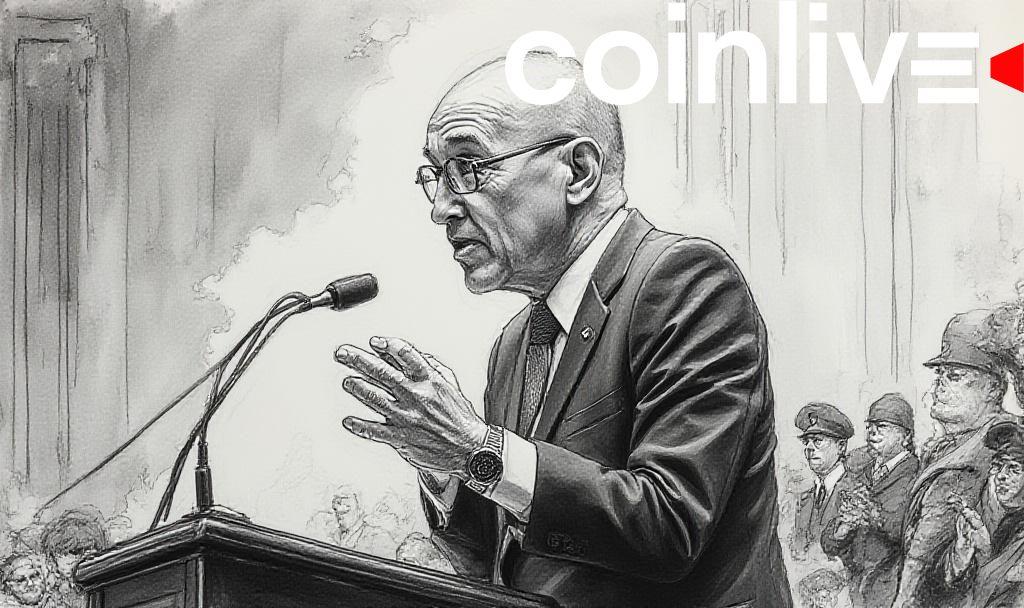
Congressman Brad Sherman has labeled the GENIUS Act as harmful to working families amidst ongoing debates in Congress about the regulation of stablecoins.
Sherman’s criticism underscores growing tensions over digital asset regulations impacting families and the economy.
The GENIUS Act aims to regulate the issuance and oversight of payment stablecoins, directly affecting stablecoin-related assets. Key figures in this legislative push include Senators Bill Hagerty, Tim Scott, Kirsten Gillibrand, and Cynthia Lummis, who are driving the regulatory framework for digital assets. Congressman Brad Sherman, known for his anti-crypto stance, has called the act “an attack on working families.”
Stablecoin regulation is poised to affect assets like USDC, USDT, and DAI, influencing trading dynamics and the broader DeFi ecosystem. The bill could result in significant volatility if passed during “Crypto Week.”
Regulatory efforts have historically caused market fluctuations, impacting U.S.-compliant protocol governance tokens and major cryptocurrencies like ETH and BTC. Past regulations have led to shifts in stablecoin distribution and trading activity.
“The crypto Genius Act is an attack on working families.” — Brad Sherman, Congressman, U.S. House of Representatives
Expert opinions remain divided, with no significant statements from major industry figures like Vitalik Buterin. Debate continues among stakeholders, with potential long-term financial and regulatory impacts expected if the bill advances. Sherman’s statements illustrate heightened scrutiny over crypto regulations and their potential effects on various economic sectors.
More From Crypto News

CoinDCX $16M Hack Claims Challenged by Blockchain Investigators
Blockchain investigators are publicly accusing Indian crypto exchange CoinDCX of misrepresenting details of a reported $16 million hack, raising questions about...

Bitcoin ‘Goes to Zero’ After a Hack, Chamath Predicts
Venture capitalist Chamath Palihapitiya has predicted that Bitcoin could go to zero in the wake of a major hack, framing a credible security failure as the scen...

Grayscale Lets Eligible Investors Swap Tokens for ETF Shares
Grayscale says the new mechanism allows qualifying investors to tender cryptocurrency tokens and receive corresponding fund shares in return, rather than purcha...

Treasury GENIUS Act Stablecoin Rules Back US Leadership
The US Treasury has stated that finalized rules under the GENIUS Act stablecoin framework are designed to support American leadership in digital finance, markin...

Lookonchain Says Pump.fun Deposited 129,798 SOL Worth $14.07M
On-chain analytics account Lookonchain reported that Pump. fun deposited 129,798 SOL, valued at approximately $14.

Irish Drug Dealer-Linked Wallet Moves 500 BTC to Coinbase
Blockchain intelligence firm Arkham reportedly flagged a wallet it links to an Irish drug dealer as the source of a 500 BTC transfer directed to Coinbase, accor...
