


JPMorgan Predicts Fed Interest Rate Cut in September
JPMorgan forecasts a 25 bps rate cut by the Fed citing economic shifts. Potential impacts on financial markets and crypto assets.

- JPMorgan forecasts Fed’s 25 bps rate cut.
- Influence of recent economic shifts.
- Potential impact on financial markets.
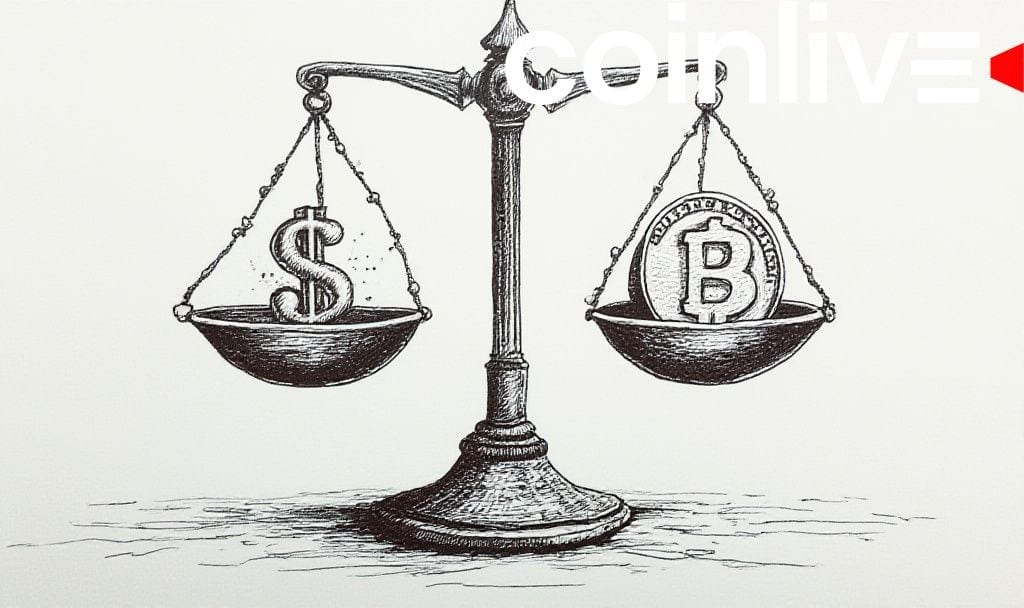
JPMorgan anticipates a 25 basis point interest rate reduction by the Federal Reserve at its upcoming meeting on September 17, influenced by recent economic data and labor market trends.
This expected rate cut could spark increased interest in cryptocurrencies such as Bitcoin and Ethereum, as lower rates typically boost risk asset investments.
JPMorgan projects a 25 basis point rate cut by the Fed at its meeting on September 17. Recent economic data and shifts in the Fed’s board factor into this forecast, potentially affecting market dynamics.
Jerome Powell’s leadership and JPMorgan’s research team led by Michael Feroli emphasize risk management. The potential confirmation of Stephen Miran as a Fed governor supports the possibility of a rate cut. Michael Feroli, Chief U.S. Economist at JPMorgan, stated:
“For Fed chair Jerome Powell, the risk management considerations may go beyond balancing employment and inflation risks, and we now see the path of least resistance is to pull forward the next cut of 25 basis points (bp) to the September meeting.”
Market consensus points toward an anticipated rate cut. Traders expect this to stimulate risk appetite, potentially boosting crypto assets like BTC and ETH. On-chain data suggests historical monetary easing correlates with increased crypto market engagement.
A Fed rate cut typically increases investor risk tolerance. However, a “sell-the-news” reaction may occur, influenced by recent macroeconomic conditions and shifting market sentiment about inflation and employment concerns. Analysis of Future Federal Reserve Rate Cuts and Economic Impact
Crypto market participants anticipate increased volatility if the rate cut proceeds. This decision could significantly affect the valuation of Layer 1 and DeFi assets, reflecting broader monetary policy impacts on digital currencies.
Historical trends indicate that similar macroeconomic changes have indeed led to rapid price surges for assets like BTC and ETH. However, market responses may differ this time, influenced by fading retail participation and potential hedge fund movements.
More From Crypto News

Binance to Value bStocks Collateral 24/7 From Oct. 24
Binance will begin valuing bStocks collateral around the clock starting October 24, extending the pricing window beyond traditional stock market hours and bring...

Binance.US, Blockchain.com Seek CFTC Prediction Market Approval
Blockchain. com’s move aligns with broader industry interest in regulated prediction market infrastructure.

FINMA Approves Swiss Retail Bitcoin ETF Diversification Exemption
Switzerland’s financial regulator FINMA has approved a retail Bitcoin ETF that includes a diversification exemption, allowing the fund to hold concentrated Bitc...

Hyperliquid Policy Center Urges SEC to Revise Crypto Rules
The Hyperliquid Policy Center, the advocacy arm focused on regulatory engagement for the Hyperliquid ecosystem, submitted its recommendations targeting the SEC’...

U.S. Crypto Economy Shrinks While Canada’s Grows in 2026
A divergence in crypto market activity between the United States and Canada has drawn attention in 2026, with data cited by analysts pointing to contraction in...

Bitcoin’s Largest Holders Added Nearly 89,000 BTC in One Month
The figure covers wallets that rank among Bitcoin’s top holders by balance, and was reported by CryptoPotato . A one-month swing of that scale reflects a sustai...
