
- US plans 100% tariffs on Chinese imports.
- Trade negotiations highlight geopolitical tensions.
- Potential impacts on global financial markets.
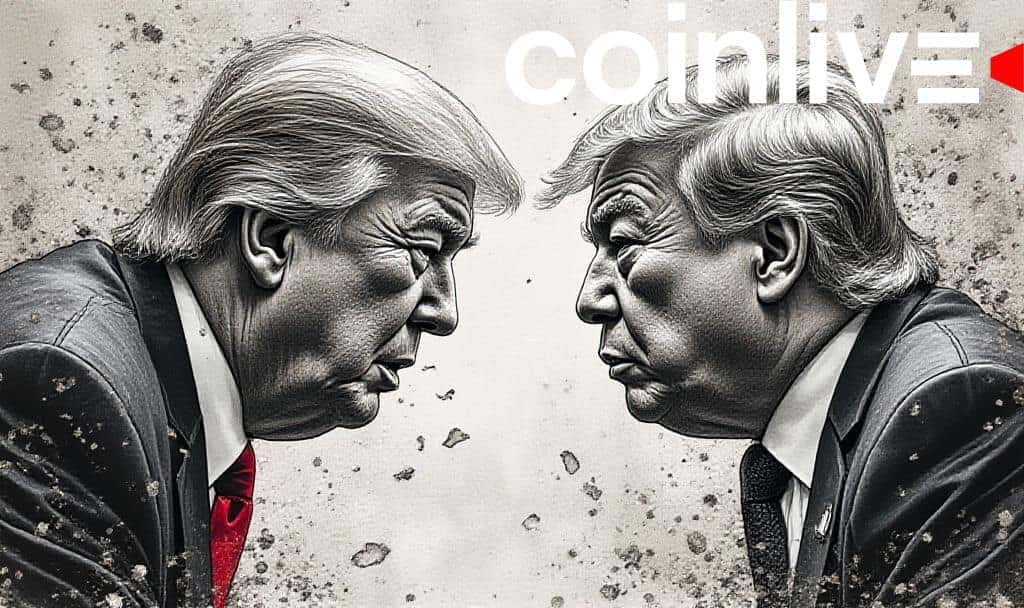
President Donald Trump plans to impose 100% tariffs on Chinese imports starting November 1, 2025, as a response to China’s new export restrictions, with negotiations expected in South Korea.
The proposed tariffs could impact global markets and cryptocurrencies like BTC and ETH, particularly if trade talks with President Xi Jinping do not yield a resolution.


Amid renewed tensions, President Donald Trump announced the imposition of 100% tariffs on Chinese imports by November 2025. This move is a response to China’s export controls on rare earths and technology, emphasizing a negotiation intent. “It’s not sustainable, but that’s what the number is… It’s probably not, you know, it could stand. But they forced me to do that,” Trump stated about the tariffs. source
Key figures include President Trump and Xi Jinping. Trump’s history of tariff escalation highlights longstanding trade issues. The tariffs, initially outlined as a negotiation tool, could be averted through upcoming high-stakes talks.
Markets reacted to trade uncertainty, showing increased volatility. Bitcoin and Ethereum have faced fluctuation risks as investors navigate global financial impacts. Immediate repercussions on cross-border trade remain evident.
Politically, this move signifies escalating tensions between the United States and China. Economically, it could stifle trade relations impacting industries reliant on rare earths and technology. Such measures underscore strategic geopolitical narratives.
Financial analyses suggest potential implications for DeFi protocols with US-Asia exposure. Investor caution is advised amid rising tariff-induced market fluctuations.
Historically, tariff escalations have led to shifts in market trends, with Bitcoin acting as a hedge against macroeconomic shocks. Analysis indicates potential impacts on cryptocurrencies and commodities if tensions persist.