


Trump Signals Potential US-China Trade Agreement
President Donald J. Trump announces the intention of the United States to finalize a trade agreement with China amid ongoing negotiations and strategic tariffs.

- Trump’s announcement signals change in US-China trade dynamics.
- Trade talks intensify with tariff adjustments.
- Geopolitical tensions may impact global markets.
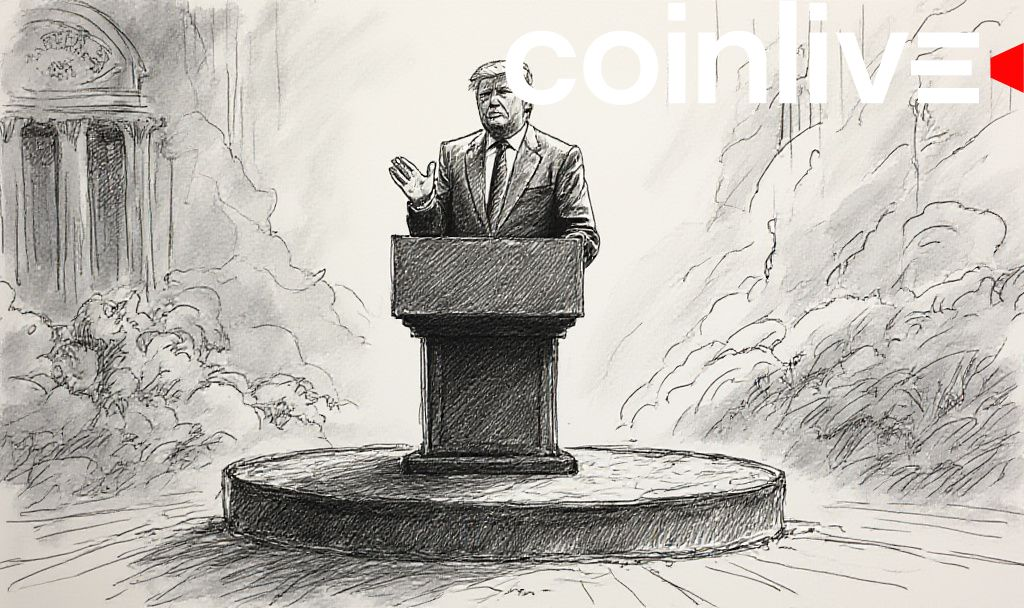
President Donald J. Trump announces that the United States intends to finalize a trade agreement with China. This announcement comes during ongoing negotiations as the US applies strategic tariffs on Chinese goods.
The statement by President Trump matters as it may influence global trade policies and market stability. The announcement could provoke immediate market reactions.
Trade Negotiations Intensify
Trade negotiations between the US and China have escalated, with President Trump declaring his intention to reach a deal. The US has imposed tariffs, which have sparked intense discussions with China. These measures are part of a broader strategy.
President Trump and the US administration, including key figures like Kevin Hassett and Howard Lutnick, play critical roles. They seek favorable terms in these intense trade negotiations with China, which has retaliated with its own economic measures.
Global Market Impact
These trade negotiations significantly impact global markets and economic relations. The recent tariff adjustments have caused fluctuations in market sentiment. Industry leaders and experts view these developments cautiously, anticipating potential shifts in economic policies.
Operational shifts following the tariff announcements might affect several sectors, including technology and defense. Experts suggest that historical precedents from previous US-China trade disputes provide valuable insights into potential market outcomes.
Analysts and Expert Perspectives
Analysts are closely monitoring the ongoing negotiations, focusing on possible financial ramifications and regulatory responses. The potential for a new trade agreement could stabilize cryptocurrency markets, historically reacting to geopolitical changes with considerable volatility.
“I believe we’re going to have a deal with China… I think we have plenty of time,” — Donald J. Trump, President, United States.
Furthermore, updated regulations on tariffs contribute to the complexity of the negotiations, with adjustments frequently discussed among stakeholders.
More From Crypto News

Intel, Oracle and IBM Object to OKX–ICE Tokenized Stock Plans
Intel, Oracle, IBM and IonQ have formally objected to the OKX–ICE tokenized stock plans, according to an October 26 public notice published by OKXICE — the join...

Ark Invest Buys Circle Shares, Sells Bitcoin ETF as BTC Falls
The two moves point in opposite directions within the crypto-linked investment space. Ark added exposure to Circle, the USD Coin issuer and stablecoin infrastru...

Ripple Approved to Operate as a U.S. National Trust Bank
A national trust bank is a federally chartered institution authorized to provide trust and fiduciary services, including asset custody, without engaging in comm...

Ethereum Foundation’s Latest ETH Sale Draws Criticism
The Ethereum Foundation has drawn fresh criticism following its latest sale of ETH, with observers describing the timing and communication around the transactio...

Strategy Pauses Bitcoin Buys as STRC Buybacks Continue
Strategy’s latest weekly update showed no new Bitcoin purchase reported, while the company continued repurchasing shares of its STRC preferred stock. The diverg...

Bitcoin Tests $80K as $550M Crypto Liquidations Hit
Bitcoin is testing the $80,000 support level as reports of roughly $550 million in crypto liquidations circulate across market data platforms. Whether BTC can h...
