
- Main event, leadership changes, market impact, financial shifts, or expert insights.
- Trump asserts U.S. control over Venezuelan oil.
- Impact on global oil markets anticipated.
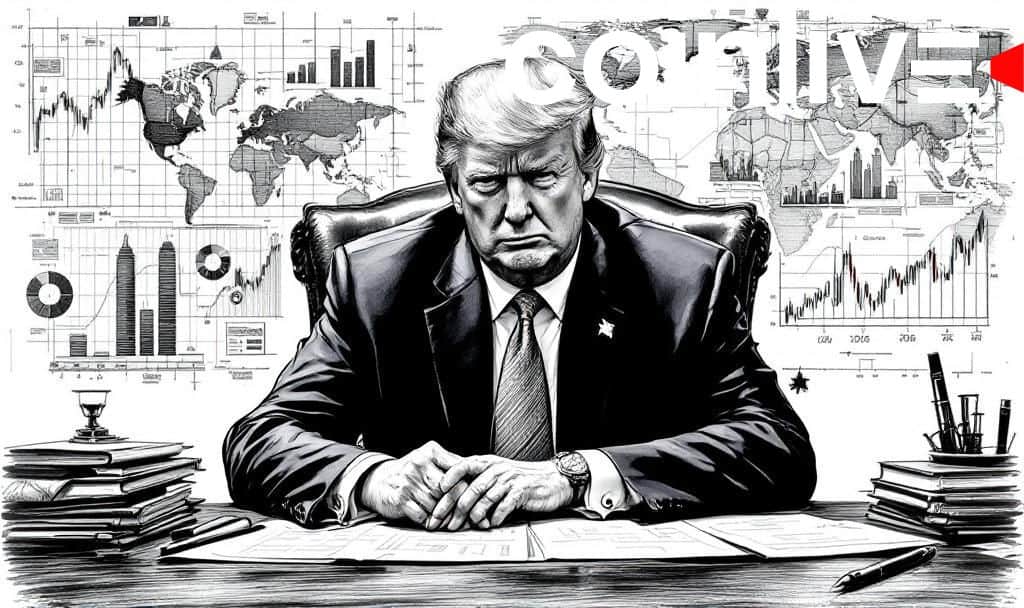
U.S. President Donald Trump announced the need for “total access” to Venezuela’s oil, following Nicolás Maduro’s capture by U.S. forces in a military operation on January 3, 2026.
The strategic oversight of Venezuela’s vast oil reserves could reshape geopolitical and energy dynamics, potentially impacting global energy markets and U.S. energy policies.


U.S. Announces Oversight
U.S. President Donald Trump announced U.S. oversee seizure of Venezuelan oil industry following former President Nicolás Maduro’s capture. This move aims at stabilizing oil infrastructure and exerting control amid geopolitical tensions. Trump emphasizes strategic importance of “total access” to oil resources.
“We will run Venezuela temporarily for a safe, proper, and judicious transition, with major oil companies spending billions of dollars to fix the infrastructure,” said Trump. source
Trump’s decision involves key figures like CIA Director John Ratcliffe and Secretary of State Marco Rubio. The U.S. plans major investments to reconstruct Venezuela’s oil operations, with billions poised to flow from American oil giants. Chevron and ExxonMobil among key players.
Global Market Impact
The U.S. engagement is set to influence global oil markets significantly. With an embargo active, analysts foresee important shifts in regional energy strategies. The American Petroleum Institute and other experts watch closely for broader energy market implications.
Trump’s “America First” rhetoric aligns with earlier strategies, focusing on energy independence and minimal foreign influence. Policy analysts predict potential changes in oil purchasing and migration policies, affecting macroeconomic stability and geopolitical factors.
Future Implications
Evolving U.S. stance on Venezuelan oil may herald significant financial shifts. Major oil firms are prepared to invest for long-term infrastructure improvements. This will influence capital flows and potential market dynamics over coming decades.
Experts underscore economic, political challenges as U.S. military presence maintains pressure. With emphasis on U.S.-centric strategies, historical patterns suggest significant shifts in energy policies. A closer look at market reaction remains crucial for future analysis.