


U.S. Government Shutdown Begins Amid House Recess
The U.S. government initiates a partial shutdown due to funding issues. Learn more about the implications and impacts of this event.
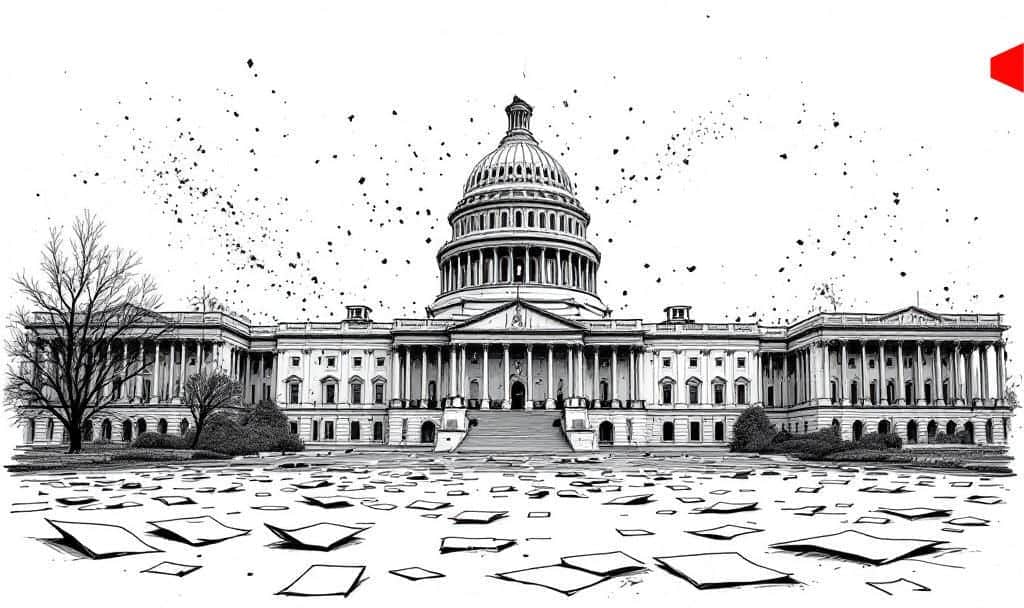
- The U.S. government initiates a partial shutdown on January 31, 2026.
- House reconvenes on February 2.
- Federal services affected until budget resolution.
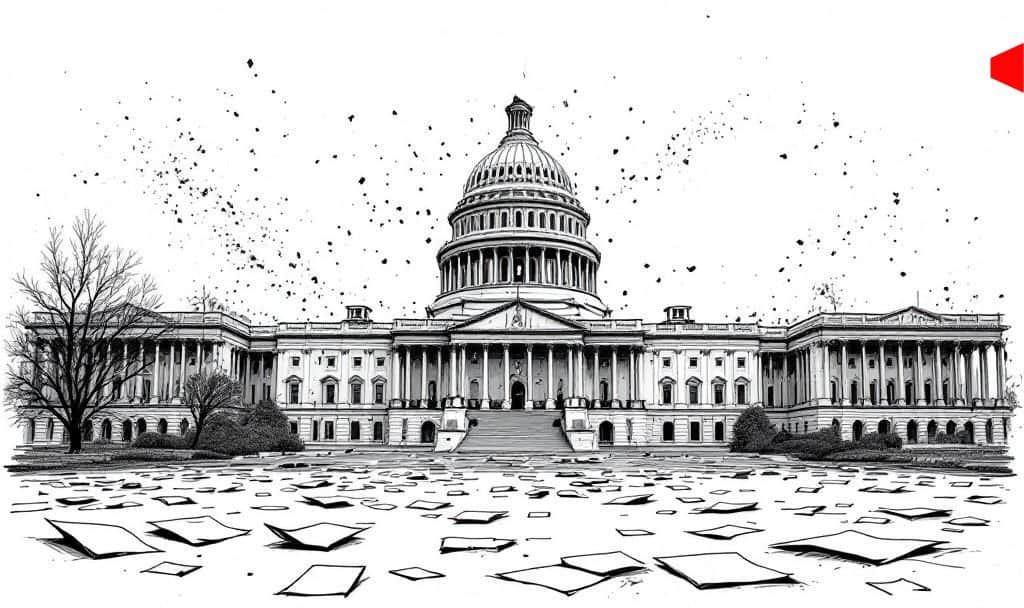
The U.S. federal government experienced a partial shutdown starting January 31, 2026, due to a missed funding deadline, coinciding with the House being in recess.
This event may impact crypto markets by potentially disrupting regulatory processes and creating uncertainty, sparking concern among stakeholders who rely on stable governance structures.
At 12:00 a.m. on January 31, 2026, the U.S. federal government entered a partial shutdown due to the House being in recess. The shutdown was triggered by Congress missing the funding deadline, resulting in halted services.
The House of Representatives is set to reconvene on February 2. This delay caused the partial shutdown because critical funding measures were not approved. This marks another instance of governmental stalemating, affecting various sectors. “This situation underscores challenges within the political system, influencing public perception and governance effectiveness.”
The shutdown impacts various federal services, affecting workers and delaying public programs. Economic activities associated with these services face interruptions. The period of inoperability could lead to financial complications for those dependent on government operations.
This event has political and social implications as debates continue. Amid fiscal dissent, there may be significant ripple effects throughout affected industries.
The partial shutdown stands to influence financial markets as investor confidence may wane. Uncertainty often results in volatility as stakeholders assess impacts. Insights from experts like Hardey Jumoh on recent blockchain developments highlight the vulnerability of markets during political turmoil.
Potential economic consequences include market instability and budgetary constraint complications. Historical data suggests delays in regulatory actions could impact efficiency. The shutdown may also hinder cryptocurrency regulation progress, affecting technological advancement discussions.
More From Crypto News

Aave Ethereum V3 Umbrella Stakes Fall 9.67% to $116.09M
Aave Umbrella is the protocol’s safety backstop mechanism on Ethereum V3, where participants stake assets to cover potential shortfalls. The tracked stake figur...

SEC Approves Cboe Binary Options Rules for Coinbase and MARA Metrics
The SEC has approved rule changes submitted by Cboe, clearing the regulatory path for a new class of binary options contracts linked to business metrics of Coin...

Bitcoin ETFs vs. Ethereum ETFs: Weekly Outflow Comparison
Net flow figures aggregate all fund-level movements into a single daily number. A negative weekly total means redemptions exceeded creations across all funds th...

BlockSec: $387.5M Stolen From Bitget, Under $1M Frozen
According to BlockSec’s fund-flow analysis , the reported loss was revised upward from an initial estimate of roughly $351. 6 million to approximately $387.

Compound Launches on Unichain With New Collateral
Compound Finance has deployed on Unichain, adding support for five collateral assets: wstETH, weETH, ezETH, BTC and UNI.

Bitcoin, Ether and XRP Rebound After Flash Crash
Bitcoin, Ether, and XRP staged a recovery after a sharp flash crash sent prices across the crypto market lower, with all three assets rebounding from their intr...
