- ZEC, ICP, and XMR face double-digit declines.
- BTC fails to hold above $107,000 level.
- Market cap drops, signaling increased volatility.
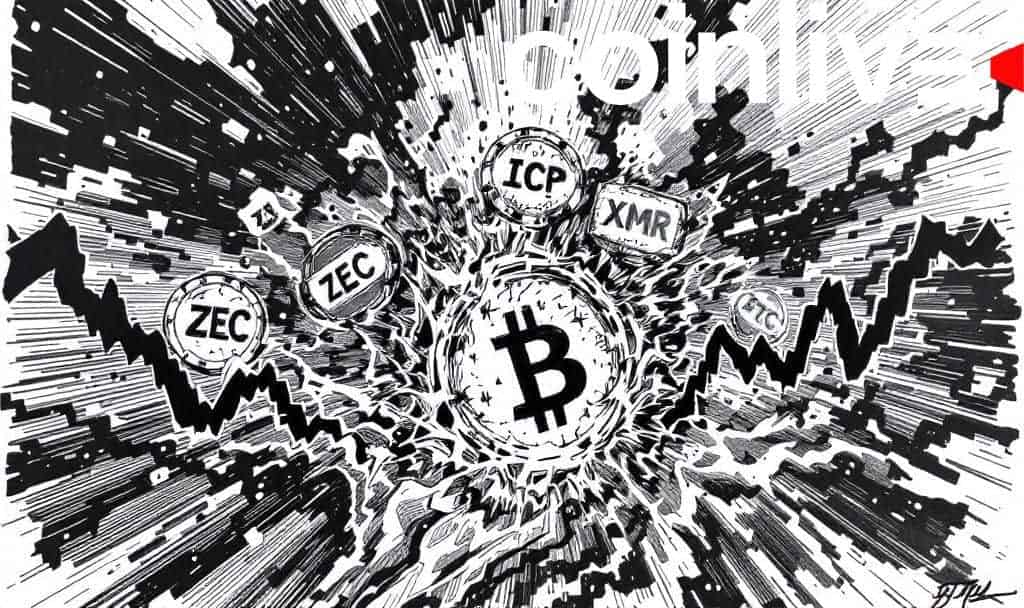
ZEC, ICP, and XMR experienced significant price drops, alongside a volatile BTC market, as key privacy and layer-1 cryptocurrencies showed sharp declines recently.
The pronounced declines highlight market instability and regulatory uncertainties, affecting crypto valuations across layers with long-term policy risks looming for privacy-oriented assets.

The cryptocurrency market has seen substantial volatility with ZEC, ICP, and XMR all posting double-digit declines. Bitcoin’s attempt to sustain a price above $107,000 was unsuccessful, triggering increased market fluctuations.
Key industry figures such as Zooko Wilcox, Dominic Williams, and Monero’s core team have not released statements regarding these drastic market moves. No direct comments from major influencers like Arthur Hayes, CZ, or Vitalik Buterin are noted.
“As of now, there are no official statements from our team regarding the recent price movement of ZEC.” — Zooko Wilcox, CEO & Founder of Electric Coin Company
The immediate impact has been a broad sell-off affecting major coins including BTC and smaller altcoins. Financial markets have reacted with divergent market performance, notably a 20% rise for UNI on what was otherwise a widespread downturn.
The financial implications are significant, with the crypto market cap dropping over $50 billion. Privacy coins such as ZEC and XMR may face future regulatory challenges due to impending EU anti-money laundering rules.
Developers from Zcash and Monero have focused on protocol updates unrelated to market declines. The market may experience further volatility with looming policy decisions and macroeconomic factors such as U.S. government actions. Lyn Alden provides macroeconomic context for crypto investments.
Potential outcomes could include tighter regulations impacting privacy-focused cryptocurrencies, shifting investor sentiment, and technological adaptations. Historical trends suggest price reactions to regulatory news and significant resistance levels influence market trajectories.