
- Trump nominates Warsh to replace Powell.
- Nominations signal potential policy shift.
- Market reactions to Fed leadership change.
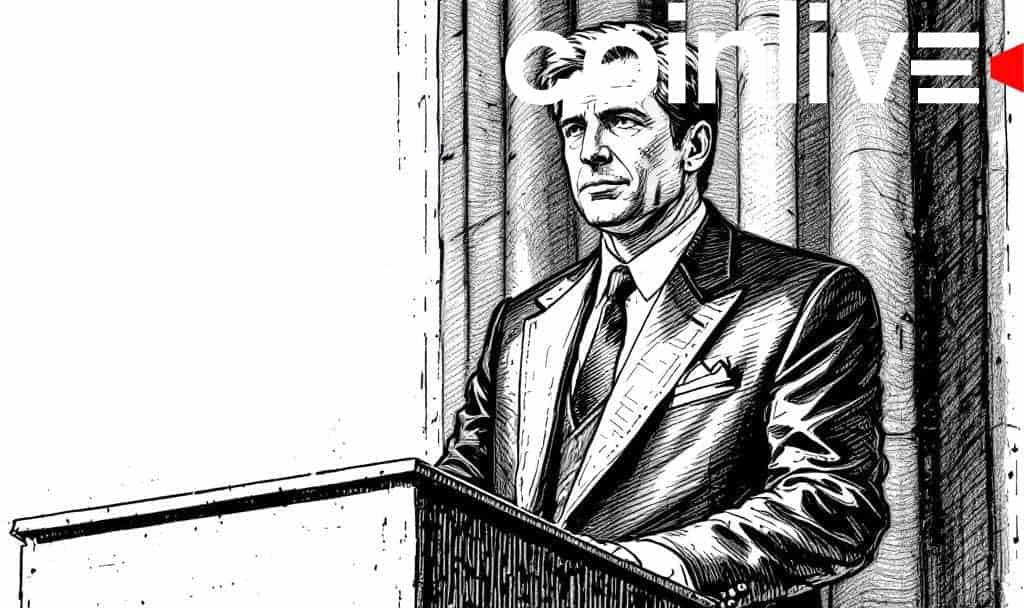
President Trump announced the nomination of Kevin Warsh as the Federal Reserve Chair to replace Jerome Powell, whose term ends in May, via a Truth Social post on January 30, 2026.
The nomination may impact financial markets, especially cryptocurrencies such as BTC and ETH, due to potential shifts in U.S. monetary policy under Warsh’s leadership.


President Trump has announced the nomination of Kevin Warsh as the next Federal Reserve Chair to replace Jerome Powell. This decision comes as Powell’s term is set to expire in May 2026 and amid ongoing criticism. Donald Trump, U.S. President, stated, “I have known Kevin for a long period of time, and have no doubt that he will go down as one of the GREAT Fed Chairmen, maybe the best,” source.
Trump criticized Powell’s handling of interest rates and pushed for changes. Powell, nominated in 2017, currently faces scrutiny over maintaining rates. Warsh, the nominee, brings past experience as a Wall Street liaison during the 2008 crisis.
The nomination could lead to market fluctuations, particularly in the cryptocurrency sphere where Bitcoin and Ethereum are sensitive to Fed policy shifts. Potential rate cuts championed by Trump could historically boost crypto prices amid changing inflation dynamics.
The appointment may alter U.S. fiscal policies, affecting broader economic sectors. The decision underscores tensions between the executive branch and Fed, drawing debate over the Fed’s independence and future monetary strategies.
Experts speculate on financial outcomes, yet crypto leaders remain silent. Analysts consider the potential impact of a Warsh-led Fed on cryptocurrency markets. The history of Warsh’s role during crises fuels speculation on his approach to current economic challenges.
Economic analysts predict significant policy changes under Warsh’s leadership, with potential implications for interest rates and inflation. Monitoring market responses will be essential once official confirmation and subsequent transitions occur in Fed governance.