


Trump Signs GENIUS Act Into Law at White House
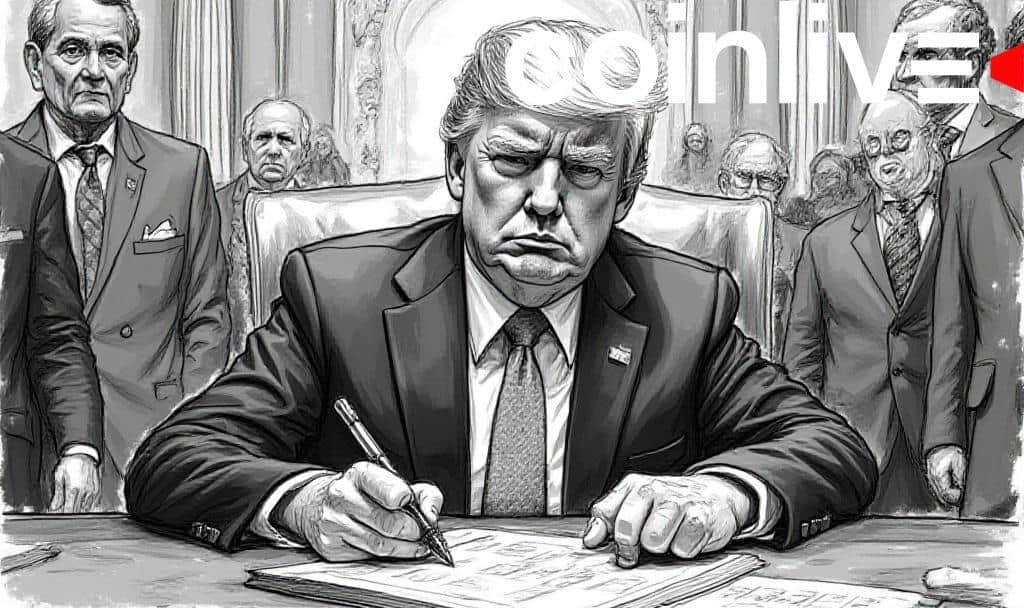
President Donald Trump signed the GENIUS Act into law on July 18, 2025, at the White House, aiming to regulate stablecoins and align state and federal framework...
- Main event, leadership changes, market impact, financial shifts, or expert insights.
- GENIUS Act aligns federal crypto regulations.
- Stablecoin market predicted to reach $2 trillion by 2028.
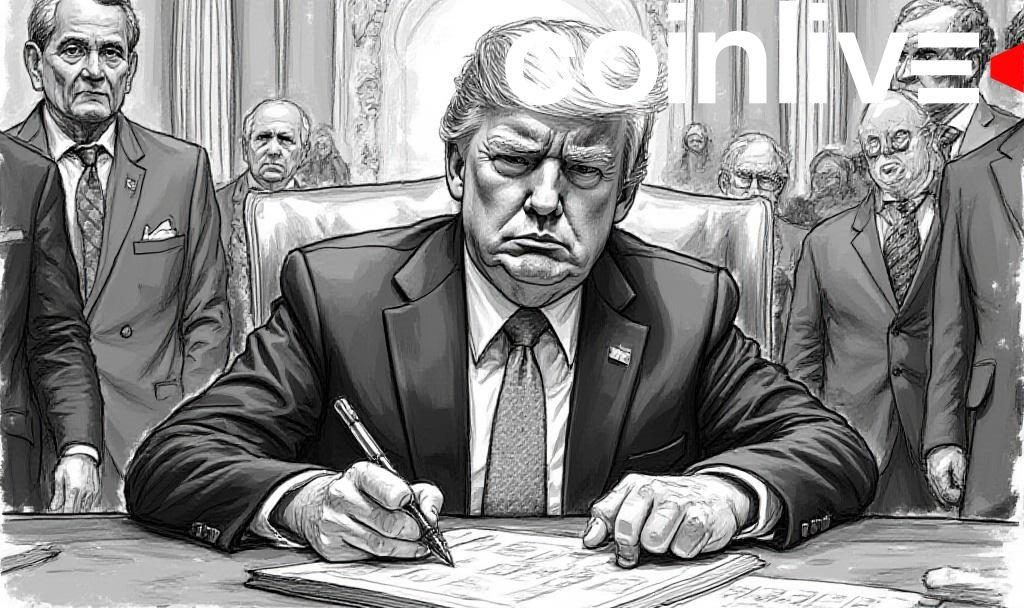
President Donald Trump signed the GENIUS Act into law on July 18, 2025, at the White House. The legislation aims to regulate stablecoins and align state and federal frameworks in the United States.
The GENIUS Act is significant for solidifying a comprehensive regulatory framework for stablecoins. This move addresses previous piecemeal regulations and aims to bolster the U.S. position in the global digital economy.
President Trump, elected with strong support from the crypto industry, fulfilled his promise to enhance U.S. leadership in digital assets. Treasury Secretary Scott Bessent highlighted the Act’s potential to support the dollar’s global status. Trump remarked, “This could be perhaps the greatest revolution in financial technology since the birth of the Internet itself,” specifically referring to stablecoins.
The legislation mandates stablecoins to maintain 100% reserves in U.S. dollars or short-term Treasuries, enhancing market trust through increased transparency. The crypto industry had donated over $245 million toward pro-crypto candidates like Trump.
Experts predict the U.S. stablecoin market may grow substantially, with Standard Chartered estimating an increase to $2 trillion by 2028. Increased investment and innovation in the crypto sector are anticipated due to this regulatory clarity.
Financial markets react cautiously but optimistically to these changes, expecting more stablecoin issuance and trading volume. Major industry figures attended the signing, signaling broad institutional support for the Act.
Finally, the Act marks the first major congressional overhaul in U.S. crypto law, potentially impacting protocol layers like Ethereum and Solana. Developers and institutions agree this law could transform the landscape for U.S. stablecoin issuers.
More From Crypto News

BlackRock Bitcoin ETF Caps Gains to Cushion Losses
BlackRock has filed for a Bitcoin ETF that caps how much investors can gain in exchange for cushioning a portion of potential losses, a structure that trades Bi...

Coinbase Halts GYEN Transfers, Plans USDC Balance Conversion
Coinbase will halt transfers of the yen-pegged stablecoin GYEN on Oct. 26 and plans to convert remaining customer balances into USDC at market rates, according...

贝莱德ETF钱包转入Coinbase 3215枚BTC与3.89万枚ETH|链上侦探
据 BlockBeats 10 月 23 日消息,链上监测平台 Onchain Lens 追踪到贝莱德旗下 ETF 钱包向 Coinbase 转入 3,215 枚 BTC 和 38,900 枚 ETH。报道援引合计约 3. 5563 亿美元,但未注明估值时点与价格口径,该金额暂视为参考数据而非独立核实结果。

Indian Exchange Denies Hack After $16M Suspicious Outflows
CoinDCX, India’s largest crypto exchange by reported user base, has denied suffering a security breach after blockchain investigators flagged approximately $16...

CZ Says AI Hacking Fears Miss a Bigger Crypto Risk
Binance founder Changpeng Zhao has pushed back on a growing narrative in crypto security circles, arguing that fears about AI-powered hacking may be distracting...

Bitcoin Eyes $85K: What the Charts Signal Next
Bitcoin is pressing toward the $85,000 area, a level that chart-watchers have flagged as the most closely monitored resistance on the current advance. Whether t...
