


Bitcoin faces miner break-even at $74K/$114K on costs
Bitcoin mining break-even data shows ~$74,444 on power-only and ~$114,000 all-in; analysts cite power prices, ASIC efficiency and halving compressing margins.

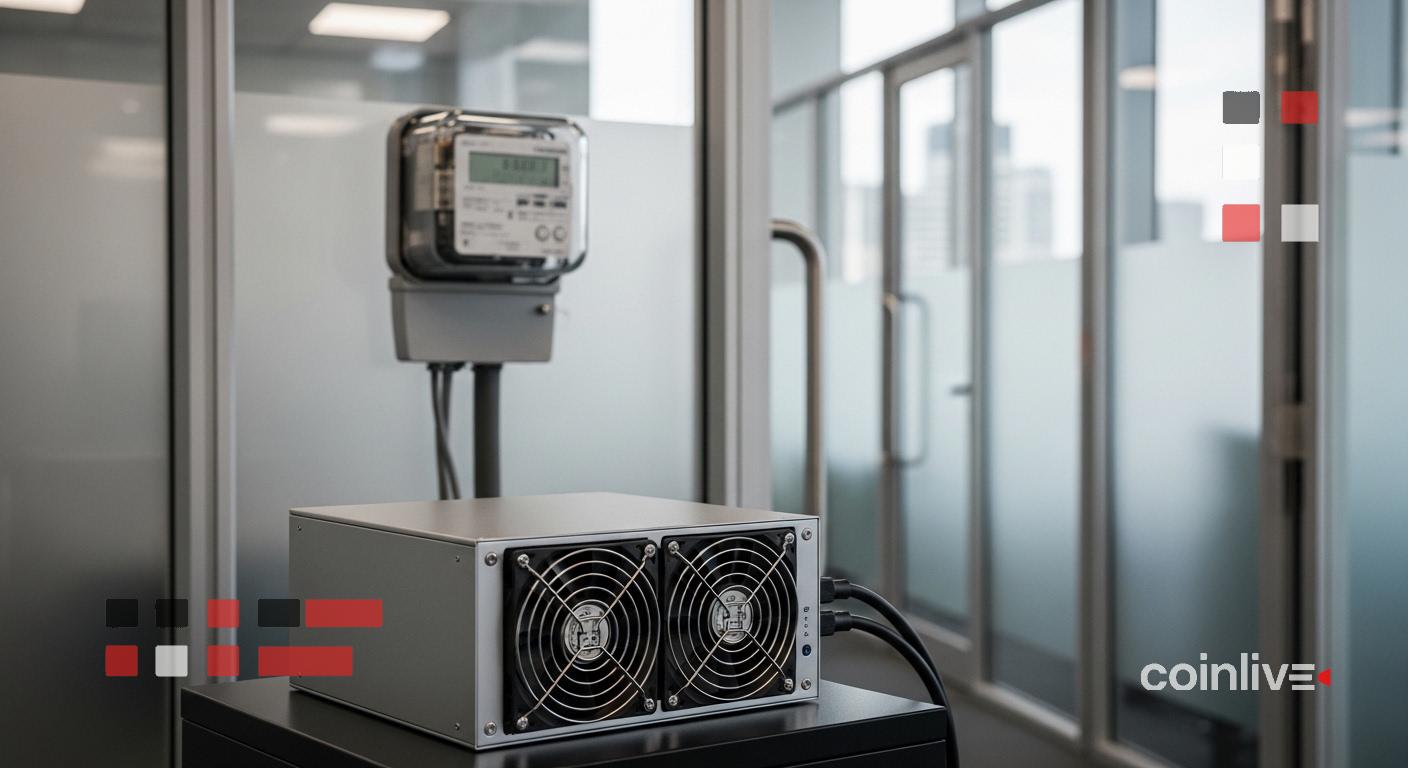
Bitcoin mining break-even: ~$74k electricity, ~$114k+ all-in costs
According to CryptoSlate, a new cost-stack model indicates bitcoin mining break-even sits near $74,000 on electricity alone, with full accounting (including depreciation and overhead) exceeding $114,000 per BTC. These figures are not universal; they vary by electricity cost per kWh, ASIC efficiency, and network difficulty. The results are presented as ranges rather than a fixed price floor.
Industry cross-checks from JPMorgan and CryptoRank place comparable thresholds around ~$77,000 for average production cost and roughly ~$137,800 for all-in mining cost, with cash-only levels closer to ~$74,600. Taken together, these references support the model’s central finding that electricity-only economics cluster in the mid‑$70k range while full accounting pushes well into six figures. As of publication, dispersion across operators remains material due to contract power rates and machine fleets.
Why it matters: margins, hash rate pressure, and miner responses
When spot prices track below all-in mining cost, margins compress and balance sheets feel the strain. Operators emphasize power procurement, hedging, curtailment credits, and fleet efficiency because electricity cost per kWh dominates unit economics.
If unfavorable spreads persist, higher-cost miners may scale back, accelerate hardware upgrades, or pause expansion until difficulty and hash rate equilibrate. Some, including firms like Terawulf and Riot Platforms, are exploring AI/HPC and data-center services to diversify revenue during weak mining cycles.
Sector executives have publicly described how rising energy inputs and overhead narrow profitability even when headline prices appear supportive. As reported by CoinDesk, Patrick Fleury, CFO of Terawulf, said, “Electricity alone … costs around $60,000 to mine a single bitcoin,” noting that once operating overheads are included, margins tighten quickly.
Not all operators face identical break-even thresholds. Geography, access to zero- or low-carbon power, tax treatment, and accounting choices can lower or raise the full-cost line, which is why results are best interpreted as ranges rather than a single industry number.
Cost stack explained: electricity-only vs opex vs full accounting
Electricity-only: This layer converts machine efficiency (joules per terahash) and local electricity cost per kWh into a per‑BTC power bill after adjusting for pool fees and uptime. It is the most volatile driver because it moves with spot power, curtailment, and site availability.
Operating expense (cash opex): Adding labor, maintenance, hosting, network fees, and corporate SG&A lifts unit cost above power alone. For miners with third‑party hosting or higher cooling loads, this layer can narrow gross margin even when electricity-only break‑even appears favorable.
Full accounting: Depreciation of ASIC fleets and data‑center infrastructure, plus interest and other non‑cash items, pushes the all‑in mining cost into six figures in the referenced model. Different depreciation schedules, financing structures, and scale effects explain why accounting break‑even varies widely across public and private miners.
| Disclaimer: The information provided in this article is for informational purposes only and does not constitute financial, investment, legal, or trading advice. Cryptocurrency markets are highly volatile and involve risk. Readers should conduct their own research and consult with a qualified professional before making any investment decisions. The publisher is not responsible for any losses incurred as a result of reliance on the information contained herein. |
More From Crypto News

CZ Says AI Hacking Fears Miss a Bigger Crypto Risk
Binance founder Changpeng Zhao has pushed back on a growing narrative in crypto security circles, arguing that fears about AI-powered hacking may be distracting...

Bitcoin Eyes $85K: What the Charts Signal Next
Bitcoin is pressing toward the $85,000 area, a level that chart-watchers have flagged as the most closely monitored resistance on the current advance. Whether t...

CoinDCX $16M Hack Claims Challenged by Blockchain Investigators
Blockchain investigators are publicly accusing Indian crypto exchange CoinDCX of misrepresenting details of a reported $16 million hack, raising questions about...

Bitcoin ‘Goes to Zero’ After a Hack, Chamath Predicts
Venture capitalist Chamath Palihapitiya has predicted that Bitcoin could go to zero in the wake of a major hack, framing a credible security failure as the scen...

Grayscale Lets Eligible Investors Swap Tokens for ETF Shares
Grayscale says the new mechanism allows qualifying investors to tender cryptocurrency tokens and receive corresponding fund shares in return, rather than purcha...

Treasury GENIUS Act Stablecoin Rules Back US Leadership
The US Treasury has stated that finalized rules under the GENIUS Act stablecoin framework are designed to support American leadership in digital finance, markin...
